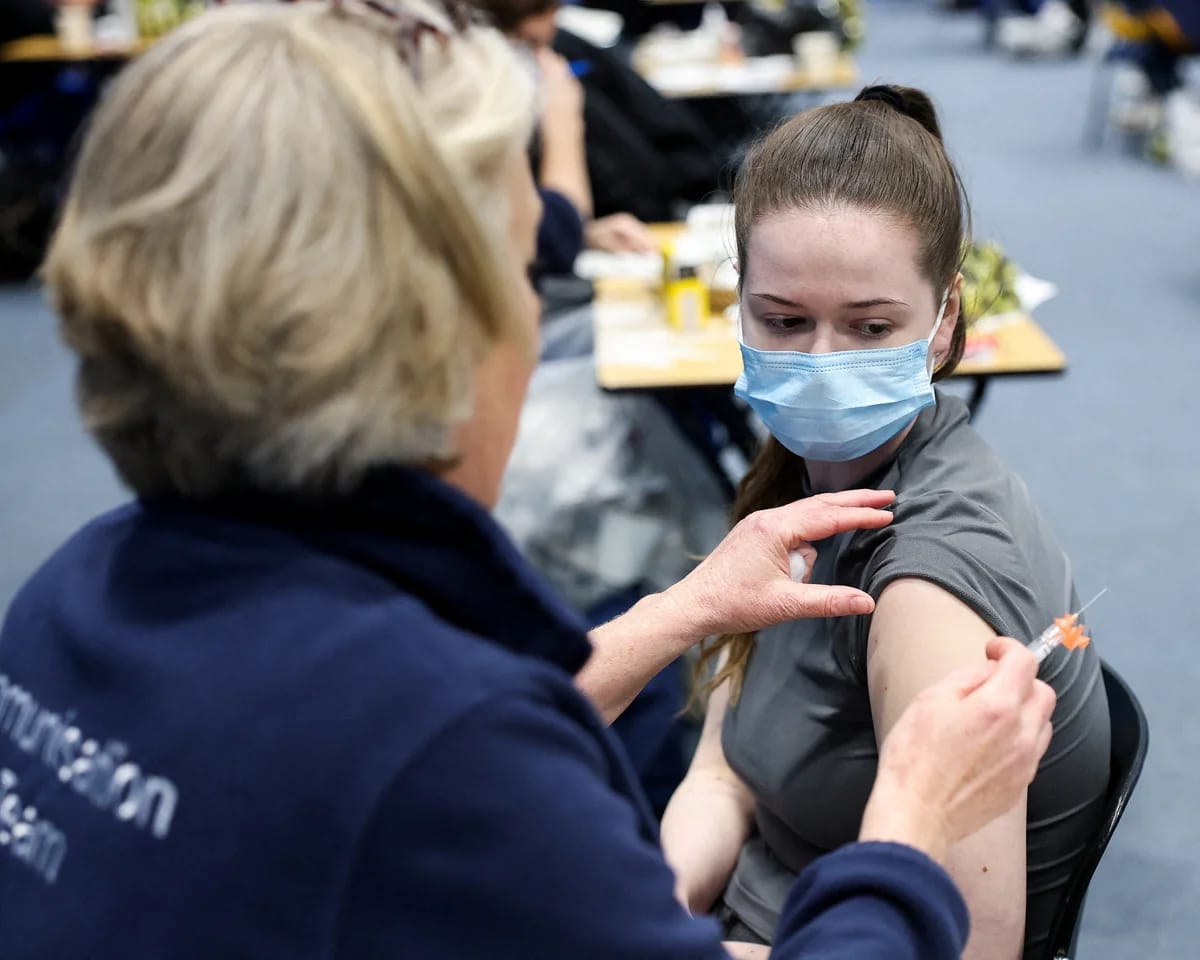
Public health officials are closely monitoring a cluster of Meningitis B cases in Reading after a fourth infection was confirmed this week. The rare but potentially life threatening bacterial infection has prompted renewed calls for awareness among residents, particularly parents of teenagers and young adults who are most vulnerable. While health authorities emphasize that the risk to the general public remains low, the sudden emergence of multiple cases in a single community has raised concerns about transmission and prevention. Meningitis B can progress rapidly, making early recognition of symptoms and prompt medical intervention critical to survival.
What Happened
Four individuals in Reading have been diagnosed with Meningitis B, a serious bacterial infection that causes inflammation of the protective membranes covering the brain and spinal cord. The cases, confirmed by local health authorities, mark a concerning cluster in a region where such infections are relatively uncommon. While the exact connection between the cases remains under investigation, public health teams are conducting contact tracing to identify potential links and prevent further spread.
Why Public Health Officials Are Concerned
Meningitis B is a rare but aggressive disease with a high fatality rate if left untreated. Even with rapid medical care, survivors may face long term complications such as hearing loss, brain damage, or limb amputations. The bacteria responsible, Neisseria meningitidis group B, spreads through close contact with respiratory or throat secretions, making crowded living spaces like university dormitories or military barracks high risk environments. The sudden appearance of multiple cases in Reading has prompted health officials to urge vigilance, particularly among groups most susceptible to infection.
Symptoms or Risk Factors
Early symptoms of Meningitis B can mimic those of the flu, making it difficult to diagnose without medical testing. Common warning signs include:
- Sudden high fever
- Severe headache
- Stiff neck
- Nausea or vomiting
- Sensitivity to light
- Confusion or difficulty concentrating
- A distinctive rash that does not fade under pressure (a late stage sign)
Infants may display additional symptoms such as irritability, poor feeding, or a bulging fontanelle (the soft spot on the head). The disease can progress within hours, so immediate medical attention is essential if symptoms develop.
Who May Be Affected
While anyone can contract Meningitis B, certain groups face a higher risk:
- Infants and young children under five
- Teenagers and young adults aged 15 to 24, particularly those living in close quarters like dormitories or military training facilities
- Individuals with weakened immune systems or certain medical conditions, such as those without a spleen
- People who have been in close contact with an infected individual, including household members or intimate partners
Government or WHO Response
Public Health England (now part of the UK Health Security Agency) is leading the investigation into the Reading cluster. Officials have not yet declared an outbreak but are closely monitoring the situation and providing guidance to local healthcare providers. Vaccination against Meningitis B is available through the NHS for infants and certain high risk groups, though uptake varies. Health authorities are reminding residents to ensure their vaccinations are up to date and to seek medical advice if they or their children display symptoms.
Prevention and Safety Guidance
Preventing Meningitis B relies on a combination of vaccination and good hygiene practices. Key steps include:
- Vaccination: The Meningitis B vaccine is offered to infants in the UK as part of the routine immunization schedule. Teenagers and young adults who missed the vaccine may be eligible for catch up doses. Parents and students are encouraged to check their vaccination records.
- Hygiene: Regular handwashing, avoiding sharing drinks or utensils, and covering the mouth when coughing or sneezing can reduce the risk of transmission.
- Awareness: Knowing the symptoms and acting quickly if they appear can save lives. Meningitis B can escalate rapidly, so do not wait for a rash to develop before seeking help.
- Prophylactic treatment: Close contacts of confirmed cases may be offered antibiotics to prevent infection.
What Readers Should Know
While the cluster in Reading is concerning, health officials stress that the overall risk to the public remains low. However, the situation serves as a reminder of the importance of vaccination and symptom awareness. Parents of teenagers and young adults should ensure their children are protected, particularly as they prepare to return to school or university. Anyone experiencing symptoms should seek medical attention immediately, as early treatment with antibiotics can be life saving. For more information, residents can contact their GP or visit the NHS website for guidance on Meningitis B.
Key Takeaways
- Four cases of Meningitis B have been confirmed in Reading, prompting a public health response.
- Meningitis B is rare but can be fatal or cause long term complications if not treated quickly.
- Symptoms include sudden fever, severe headache, stiff neck, and a rash that does not fade under pressure.
- Teenagers, young adults, and infants are at higher risk, especially in crowded living environments.
- Vaccination and good hygiene practices are the best ways to prevent infection.
- Close contacts of confirmed cases may be offered antibiotics to reduce the risk of transmission.
Frequently Asked Questions
What is Meningitis B?
Meningitis B is a bacterial infection caused by Neisseria meningitidis group B. It leads to inflammation of the membranes surrounding the brain and spinal cord and can progress rapidly, sometimes within hours. Without prompt treatment, it can be fatal or cause severe long term damage.
How is Meningitis B spread?
The bacteria spread through close contact with respiratory or throat secretions, such as coughing, sneezing, or sharing drinks, utensils, or cigarettes. It is not as contagious as the common cold or flu but can spread in crowded environments like dormitories or military barracks.
Who should get the Meningitis B vaccine?
In the UK, the Meningitis B vaccine is routinely offered to infants as part of the NHS immunization schedule. Teenagers and young adults who missed the vaccine may also be eligible for catch up doses, particularly if they are at higher risk due to living in close quarters or having certain medical conditions.
What should I do if I think I or my child has Meningitis B?
Seek medical attention immediately. Meningitis B can progress rapidly, so do not wait for a rash to appear. Early treatment with antibiotics is critical to improving outcomes. If you have been in close contact with someone diagnosed with Meningitis B, contact your GP or local health authority for advice on prophylactic treatment.
Is there a cure for Meningitis B?
Yes, Meningitis B can be treated with antibiotics if caught early. However, the disease can progress so quickly that even with treatment, some patients may experience long term complications or death. Vaccination remains the most effective way to prevent infection.
Medical Review: MedSense Editorial Board









DISCUSSION (0)
POST A COMMENT