What Happened
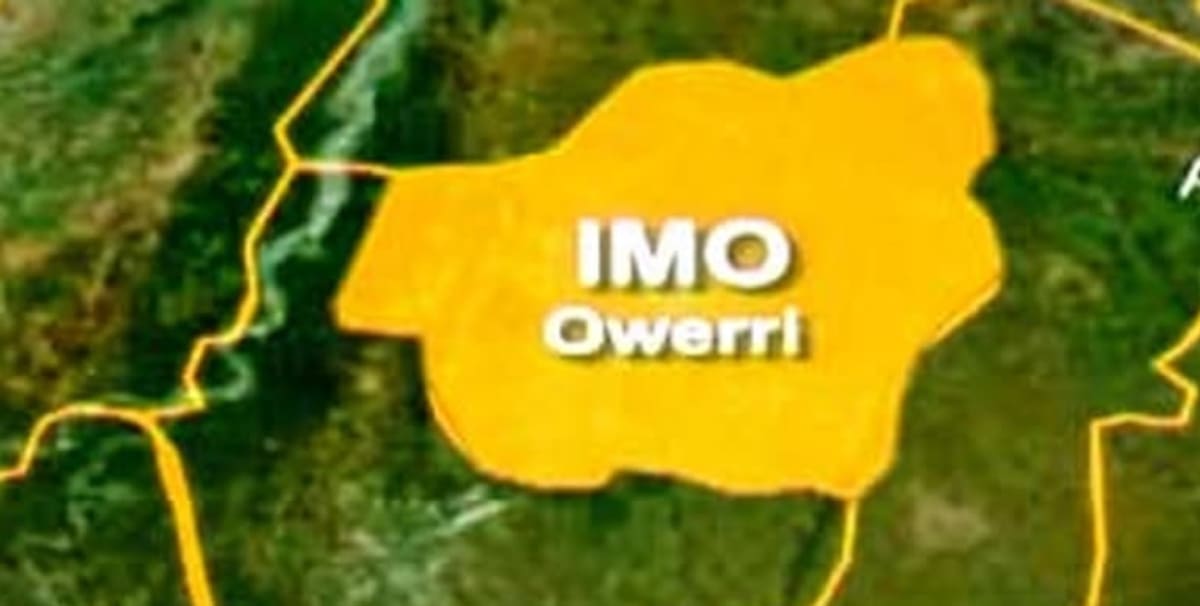
The Imo State government, alongside St. Joseph’s Eye Hospital Mgbirichi and the Christian Blind Mission, has committed to providing eye care services to 1.65 million people over the next five years. The initiative was officially inaugurated in Owerri, marking the beginning of a structured effort to address vision impairment through screenings, treatments, and public awareness campaigns. While the program targets a broad population, its focus includes individuals at higher risk of preventable eye conditions, such as cataracts, glaucoma, and refractive errors.
Why Public Health Officials Are Concerned
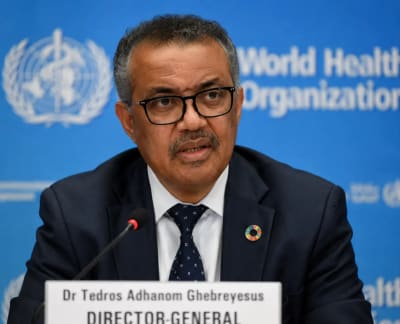
Vision impairment remains a pressing yet often overlooked public health challenge in Nigeria. According to the World Health Organization, over 80% of blindness cases in the country are preventable or treatable, yet many individuals lack access to basic eye care services. Barriers such as cost, geographic isolation, and limited awareness contribute to delayed diagnoses and untreated conditions. Programs like Imo State’s initiative aim to bridge this gap by bringing services directly to communities, particularly in rural areas where healthcare infrastructure is sparse. The long term goal extends beyond treatment, it seeks to shift cultural perceptions around eye health and encourage early intervention.
Who May Be Affected
The initiative targets a diverse demographic, including children, adults, and the elderly. Key groups at higher risk include:
- Individuals over 50, who are more susceptible to age related conditions like cataracts and glaucoma.
- Children, particularly those in school, where uncorrected refractive errors can hinder learning and development.
- People with diabetes, who face an elevated risk of diabetic retinopathy, a leading cause of blindness.
- Rural populations with limited access to healthcare facilities.
The program’s inclusive approach ensures that both urban and remote communities benefit from screenings and follow up care.
Government and Partner Response
The Imo State Ministry of Health is leading the effort, with St. Joseph’s Eye Hospital providing clinical expertise and the Christian Blind Mission offering technical and logistical support. The partnership leverages the strengths of each organization, local knowledge, medical infrastructure, and international best practices, to maximize reach and impact. While specific funding details have not been disclosed, the initiative aligns with broader national and global goals, such as the WHO’s Vision 2020 program, which aims to eliminate avoidable blindness.
Prevention and Safety Guidance
For individuals in Imo State and beyond, the initiative underscores the importance of proactive eye care. Key steps to maintain vision health include:
- Regular eye examinations, especially for those over 40 or with a family history of eye disease.
- Wearing protective eyewear in bright sunlight or hazardous environments to prevent injury and UV damage.
- Managing chronic conditions like diabetes and hypertension, which can impact eye health.
- Seeking immediate medical attention for symptoms such as blurred vision, persistent pain, or sudden vision loss.
Community engagement will be critical to the program’s success, with local leaders and healthcare workers playing a role in educating the public about the importance of early detection.
What Readers Should Know
This initiative represents more than a healthcare campaign, it is a model for how targeted public health programs can address systemic gaps in access to care. For residents of Imo State, the next five years could bring transformative changes, from improved vision to greater awareness of eye health. However, the program’s long term success will depend on sustained funding, community participation, and the ability to adapt to challenges such as logistical hurdles in remote areas. For policymakers and health advocates, it serves as a case study in how partnerships between government, nonprofits, and local institutions can drive meaningful change in public health.
Key Takeaways
- Imo State has launched a five year eye care initiative targeting 1.65 million people, focusing on preventable and treatable conditions like cataracts and glaucoma.
- The program aims to reduce barriers to eye care, particularly in rural and underserved communities, through screenings, treatments, and public awareness campaigns.
- Regular eye examinations, protective measures, and management of chronic conditions are key to maintaining vision health, especially for high risk groups.
Frequently Asked Questions
Who is funding the Imo State eye care initiative?
The program is a collaboration between the Imo State Ministry of Health, St. Joseph’s Eye Hospital Mgbirichi, and the Christian Blind Mission. Specific funding details have not been publicly disclosed.
How can residents of Imo State access these eye care services?
Details on service delivery, including screening locations and schedules, will likely be announced through local health authorities, community leaders, and public awareness campaigns. Residents are encouraged to stay informed through official channels.
What are the most common preventable eye conditions in Nigeria?
The most prevalent preventable or treatable eye conditions include cataracts, glaucoma, refractive errors, and diabetic retinopathy. Early detection and treatment can significantly reduce the risk of vision loss.
Why is this initiative important for public health?
Vision impairment affects productivity, education, and quality of life. By addressing preventable blindness, the initiative aims to improve overall health outcomes, reduce healthcare costs, and enhance economic and social well being in the region.
Medical Review: MedSense Editorial Board














DISCUSSION (0)
POST A COMMENT