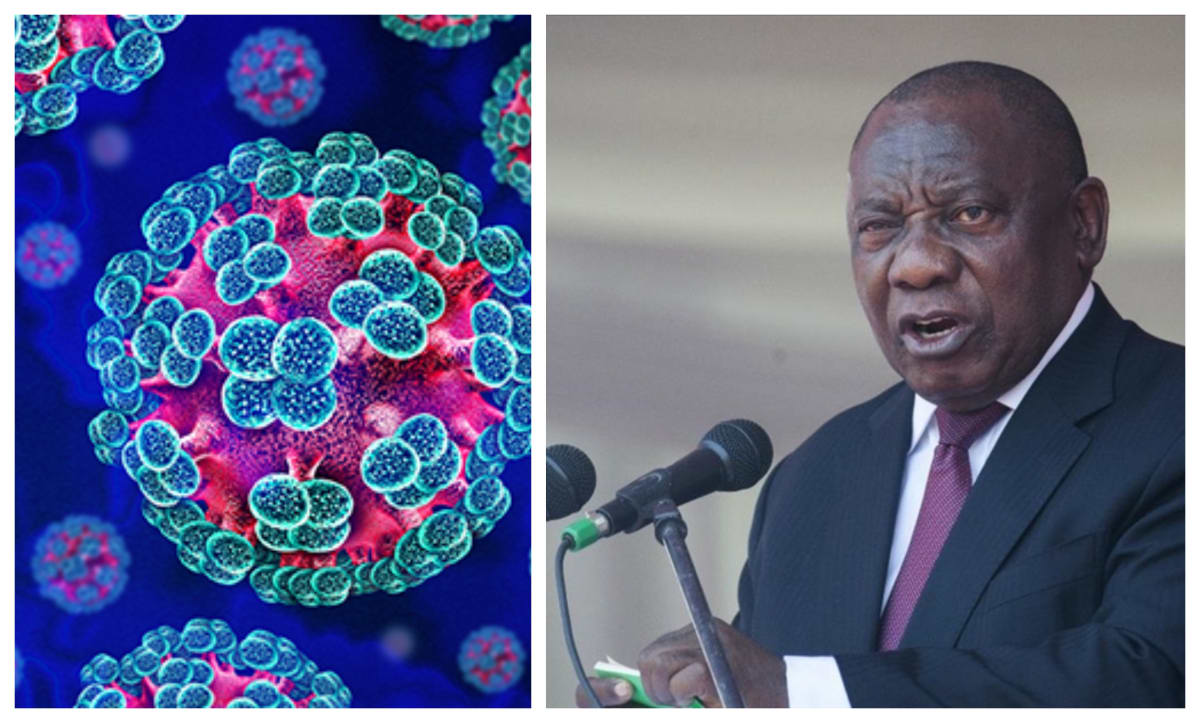
When South Africa reported a cluster of hantavirus cases earlier this month, the outbreak itself posed no immediate pandemic threat. Yet the event has become a focal point in a far larger debate: how nations should share pathogen samples and the benefits derived from them during global health emergencies. South African officials argue the situation underscores their long standing call for fairness in the Pandemic Agreement, a proposed international framework aimed at preventing and responding to future pandemics. Without equitable rules, they warn, low and middle income countries risk being left behind in diagnostics, treatments, and vaccines, even when outbreaks originate within their borders.
What Happened
Health authorities in South Africa confirmed a localized outbreak of hantavirus, a rodent borne virus that can cause severe respiratory illness in humans. While hantavirus is not classified as a pathogen with high pandemic potential, its emergence has drawn attention to broader systemic issues in global health governance. South Africa’s response to the outbreak has been framed as a practical example of why pathogen access and benefit sharing must be addressed with urgency in international negotiations.
Why Public Health Officials Are Concerned
The hantavirus outbreak, though contained, has reignited tensions over the Pandemic Agreement currently under negotiation by the World Health Organization. At the heart of the dispute is the principle of equity: how should countries that provide pathogen samples, often in resource limited settings, be guaranteed fair access to the medical countermeasures developed from those samples? South Africa and other nations have argued that current proposals place disproportionate emphasis on rapid pathogen sharing without corresponding commitments to ensure equitable distribution of vaccines, therapeutics, or diagnostics.
Critics of the existing draft warn that without binding agreements, high income countries and pharmaceutical companies could exploit pathogen samples from low resource settings without ensuring those nations receive proportional benefits. This dynamic, they say, mirrors the inequities seen during the COVID 19 pandemic, when wealthier nations secured the majority of early vaccine supplies while many African countries faced prolonged shortages.
Who May Be Affected
The immediate health risks of hantavirus are limited to individuals in close contact with infected rodents or their droppings, particularly in rural or peri urban areas. However, the broader implications of the pathogen sharing debate affect every country. If the Pandemic Agreement fails to establish equitable frameworks, future outbreaks, regardless of their origin, could see a repeat of the disparities witnessed during COVID 19. This includes delayed access to life saving tools for populations in Africa, Latin America, and parts of Asia, as well as weakened global surveillance systems that rely on timely data sharing from all regions.
Government or WHO Response
The World Health Organization has acknowledged the concerns raised by South Africa and other nations, noting that the Pandemic Agreement negotiations are ongoing. A WHO spokesperson stated that the organization remains committed to finding a balanced approach that ensures both rapid pathogen sharing and equitable benefit distribution. However, the timeline for finalizing the agreement remains uncertain, with key sticking points including intellectual property rights, technology transfer, and funding mechanisms for low and middle income countries.
South Africa’s Ministry of Health has reiterated its position that the country is neither obstructionist nor unreasonable in its demands. Instead, officials argue, the focus should be on creating a system that works for all nations, not just those with advanced pharmaceutical industries. The ministry has called for stronger language in the agreement to guarantee that countries providing pathogen samples receive priority access to medical products developed from those samples.
Prevention and Safety Guidance
While the hantavirus outbreak has not reached widespread transmission levels, public health authorities emphasize the importance of preventive measures to reduce exposure. Key recommendations include:
- Avoiding contact with rodents and their nests, particularly in rural or agricultural settings.
- Sealing gaps in homes and outbuildings to prevent rodent entry.
- Using protective equipment, such as gloves and masks, when cleaning areas contaminated by rodent droppings.
- Ensuring proper ventilation when entering enclosed spaces where rodents may have been present.
For healthcare workers, standard infection control practices, including the use of personal protective equipment and proper disposal of contaminated materials, are critical to preventing nosocomial transmission.
What Readers Should Know
The hantavirus outbreak in South Africa serves as a microcosm of a larger, unresolved challenge in global health: how to balance the need for rapid scientific collaboration with the imperative of equity. While the virus itself may not pose a pandemic threat, the principles at stake could shape the world’s ability to respond to future health crises. For policymakers, the message is clear: without fair and enforceable rules on pathogen sharing, the global community risks repeating the mistakes of the past. For the public, the takeaway is equally important: outbreaks anywhere can have consequences everywhere, and equitable access to medical tools is not just a matter of justice, it’s a cornerstone of effective pandemic preparedness.
Key Takeaways
- The hantavirus outbreak in South Africa, though not a pandemic threat, has highlighted critical gaps in global pathogen sharing agreements.
- South Africa’s stance on equitable access to medical countermeasures reflects broader concerns about fairness in the Pandemic Agreement negotiations.
- Without binding commitments to benefit sharing, low and middle income countries risk being left behind in future health emergencies, as seen during COVID 19.
- Preventive measures, such as rodent control and proper hygiene, remain essential to reducing hantavirus exposure in affected regions.
Frequently Asked Questions
What is hantavirus, and how is it transmitted?
Hantavirus is a group of viruses primarily spread through contact with infected rodents or their urine, droppings, or saliva. In rare cases, it can cause severe respiratory illness in humans, known as hantavirus pulmonary syndrome. Transmission typically occurs when people inhale airborne particles from contaminated materials or come into direct contact with rodents.
Why is South Africa’s position on pathogen sharing significant?
South Africa’s stance reflects a broader demand from low and middle income countries for equitable access to medical tools developed from pathogen samples. The country argues that without fair benefit sharing agreements, nations providing samples may not receive proportional access to vaccines, diagnostics, or treatments, a dynamic that could undermine global health security.
What is the Pandemic Agreement, and why is it controversial?
The Pandemic Agreement is a proposed international treaty under negotiation by the World Health Organization, aimed at improving global preparedness and response to pandemics. Controversies center on issues like pathogen sharing, intellectual property rights, and equitable access to medical countermeasures. Some nations argue the current draft does not go far enough to ensure fairness for countries that provide pathogen samples.
How can individuals protect themselves from hantavirus?
To reduce the risk of hantavirus exposure, individuals should avoid contact with rodents and their nests, seal gaps in homes to prevent rodent entry, and use protective equipment when cleaning areas contaminated by rodent droppings. Proper ventilation and disinfection of enclosed spaces are also critical.
Medical Review: MedSense Editorial Board








DISCUSSION (0)
POST A COMMENT