What Happened
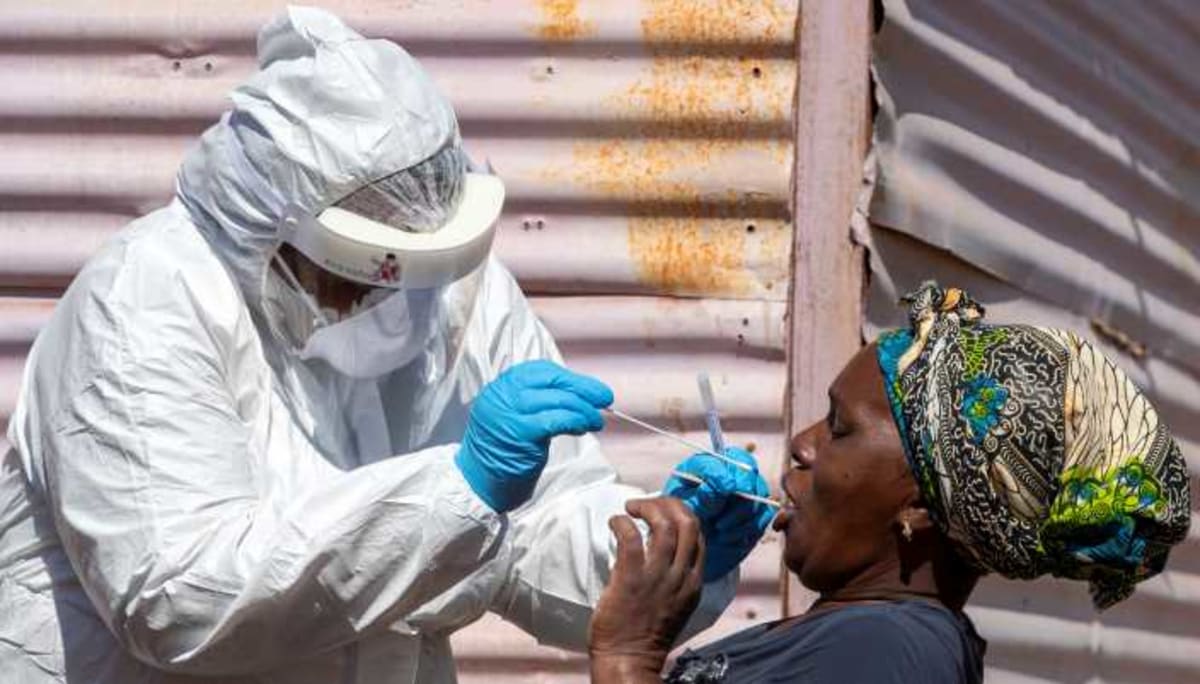
The World Health Organization and the World Bank have issued a joint report highlighting a critical mismatch between the growing threat of pandemics and the global capacity to prevent, detect, and respond to them. The document, which synthesizes data from over 100 countries, reveals that while the likelihood of another pandemic is rising, funding for preparedness has plateaued or declined in many regions. The report warns that without urgent action, the world could face an outbreak with mortality rates exceeding those of COVID 19, particularly in low and middle income countries where healthcare infrastructure is already fragile.
Why Public Health Officials Are Concerned
The report identifies several key drivers behind the escalating pandemic risk. Climate change is expanding the geographic range of disease carrying vectors like mosquitoes, while deforestation and urbanization are increasing human exposure to zoonotic pathogens. Antimicrobial resistance, fueled by overuse of antibiotics in medicine and agriculture, threatens to render existing treatments ineffective against bacterial infections, turning routine illnesses into potential killers. Meanwhile, global travel and trade networks ensure that any new pathogen can spread across continents within days, outpacing the ability of health systems to contain it.
Officials are particularly alarmed by the erosion of public health funding in the aftermath of COVID 19. Many countries diverted resources to economic recovery, assuming the worst of the pandemic was over. However, the report cautions that this assumption is dangerously misplaced. "The question is not if another pandemic will strike, but when," the document states, noting that the world has experienced an average of one new infectious disease outbreak per year over the past decade.
Who May Be Affected
The consequences of inadequate preparedness will not be evenly distributed. Low and middle income countries, which bore the brunt of COVID 19 due to limited healthcare access and vaccine inequity, are at greatest risk. These nations often lack the laboratory capacity to detect new pathogens quickly, the medical supplies to treat surges in cases, and the public health infrastructure to implement containment measures. However, the report emphasizes that no country is immune. High income nations with advanced healthcare systems may face different challenges, such as vaccine hesitancy, misinformation, and political polarization, which can undermine collective response efforts.
Vulnerable populations, including the elderly, immunocompromised, and those with chronic illnesses, will face the highest risk of severe outcomes. Frontline healthcare workers, who endured unprecedented strain during COVID 19, may again be pushed to the breaking point without adequate support and protection.
Government and WHO Response
The WHO and World Bank are calling for a coordinated global strategy to close the preparedness gap. Key recommendations include:
- Increasing investment in early warning systems, including genomic surveillance and real time data sharing between countries.
- Strengthening healthcare systems, particularly in low resource settings, to ensure they can handle surges in cases without collapsing.
- Accelerating the development of broad spectrum antivirals and vaccines that can be rapidly deployed against novel pathogens.
- Establishing a global financing mechanism to fund preparedness efforts, with contributions from high income countries and international organizations.
- Enhancing international cooperation to combat misinformation and build public trust in health interventions.
The report also urges governments to integrate pandemic preparedness into national security strategies, treating it with the same urgency as military defense. "Pandemics are not just health crises; they are economic, social, and security threats," the document states. "Preparing for them is not an expense, it is an investment in global stability."
Prevention and Safety Guidance
While governments and international organizations bear the primary responsibility for pandemic preparedness, individuals and communities can take steps to reduce their risk:
- Stay informed: Follow updates from trusted sources like the WHO, CDC, and local health authorities to stay aware of emerging threats.
- Practice good hygiene: Regular handwashing, proper respiratory etiquette, and disinfection of high touch surfaces can reduce the spread of infectious diseases.
- Support vaccination efforts: Ensure you and your family are up to date on recommended vaccines, including annual flu shots and COVID 19 boosters.
- Advocate for preparedness: Encourage local and national leaders to prioritize funding for public health infrastructure, surveillance, and research.
- Prepare an emergency kit: Stock essential supplies like medications, non perishable food, and water to sustain your household for at least two weeks in case of an outbreak.
What Readers Should Know
The WHO and World Bank report is not a prediction of doom but a call to action. The tools to prevent or mitigate the next pandemic exist, but they require political will, financial commitment, and global cooperation to deploy effectively. The COVID 19 pandemic exposed deep vulnerabilities in the world’s ability to respond to health emergencies, but it also demonstrated the power of science, innovation, and collective effort. The challenge now is to learn from those lessons before the next crisis arrives.
For healthcare professionals, the report serves as a reminder of the importance of vigilance. Clinicians should remain alert to unusual symptoms or clusters of illness that could signal the emergence of a new pathogen. Public health workers are urged to advocate for sustained funding and to participate in training and simulation exercises to ensure readiness.
For policymakers, the message is clear: the cost of inaction far exceeds the cost of preparedness. Investing in health security today could save millions of lives and trillions of dollars tomorrow. The question is whether the world will heed the warning before it is too late.
Key Takeaways
- Global pandemic preparedness is lagging behind the increasing risk of outbreaks, leaving the world vulnerable to a potentially deadlier pandemic than COVID 19.
- Climate change, urbanization, and antimicrobial resistance are accelerating the emergence of novel pathogens, while healthcare systems remain strained and underfunded.
- Low and middle income countries face the highest risk due to limited healthcare infrastructure, but no nation is fully protected against the next global health threat.
- The WHO and World Bank are calling for increased investment in early warning systems, healthcare strengthening, and global cooperation to close the preparedness gap.
- Individuals can reduce their risk by staying informed, practicing good hygiene, supporting vaccination efforts, and advocating for public health funding.
Frequently Asked Questions
What makes the next pandemic potentially deadlier than COVID 19?
The WHO and World Bank report highlights several factors that could contribute to a deadlier pandemic, including the emergence of pathogens with higher mortality rates, antimicrobial resistance rendering treatments ineffective, and the erosion of healthcare systems due to underfunding. Additionally, climate change and urbanization are increasing human exposure to zoonotic diseases, which often have no existing immunity in the population.
Why is global pandemic preparedness declining despite the lessons of COVID 19?
After COVID 19, many countries shifted focus and resources toward economic recovery, assuming the worst of the pandemic was over. This complacency, combined with political polarization and competing priorities, has led to stagnation or cuts in funding for public health infrastructure, surveillance, and research. The report warns that this trend is dangerous, as the risk of another pandemic continues to rise.
What can individuals do to protect themselves and their communities?
Individuals can take several steps to reduce their risk, including staying informed through trusted health sources, practicing good hygiene, supporting vaccination efforts, and preparing an emergency kit with essential supplies. Advocating for public health funding and encouraging local leaders to prioritize preparedness can also make a difference.
How can countries improve their pandemic preparedness?
The WHO and World Bank recommend several key actions for countries, including investing in early warning systems like genomic surveillance, strengthening healthcare infrastructure to handle surges in cases, accelerating the development of broad spectrum antivirals and vaccines, and establishing global financing mechanisms to fund preparedness efforts. International cooperation and integrating pandemic preparedness into national security strategies are also critical.
What role do healthcare professionals play in pandemic preparedness?
Healthcare professionals are on the front lines of detecting and responding to outbreaks. Clinicians should remain vigilant for unusual symptoms or clusters of illness that could signal a new pathogen. Public health workers are urged to advocate for sustained funding, participate in training and simulation exercises, and ensure their communities are prepared for future health emergencies.
Medical Review: MedSense Editorial Board








DISCUSSION (0)
POST A COMMENT