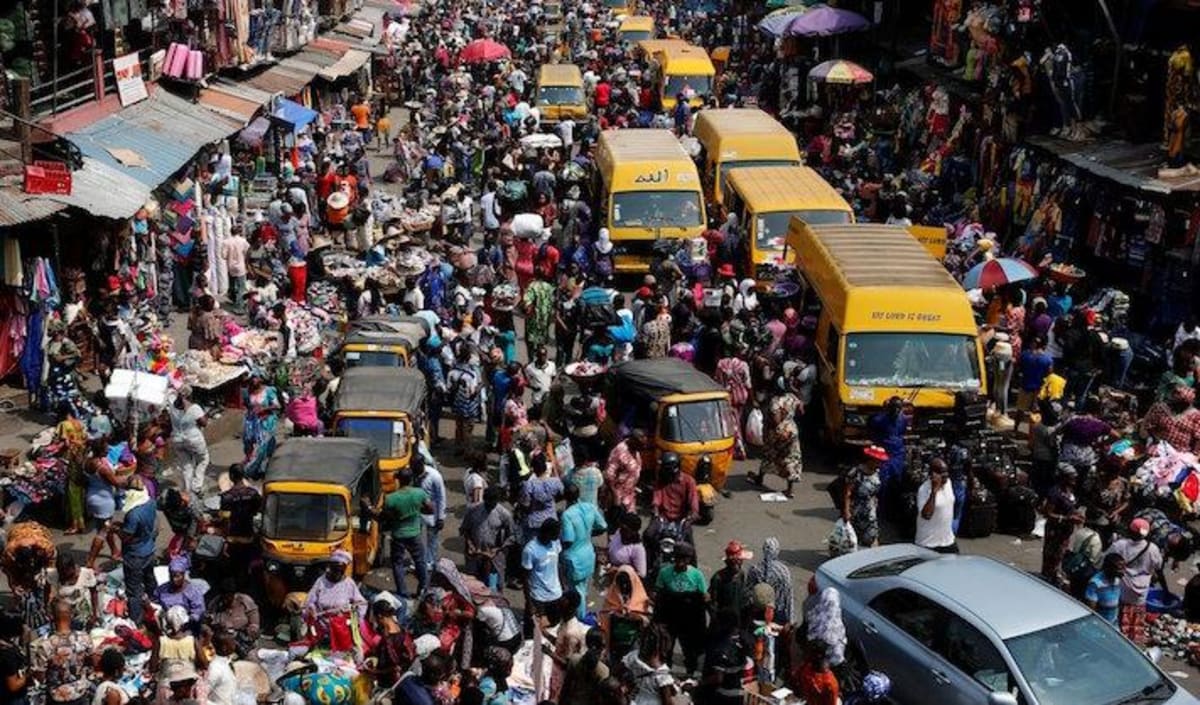
For decades, tuberculosis has been recognized as a leading infectious killer, but a new analysis presented at the 2026 American Thoracic Society International Conference has exposed a far more insidious dimension of the disease: its devastating economic toll on Africa. The study, conducted by researchers from the World Health Organization and the African Union, quantifies the staggering financial burden of TB across the continent, revealing a crisis that is eroding public health systems, draining national budgets, and deepening poverty.
Unlike other health emergencies that capture global attention, TB’s economic impact has largely remained in the shadows. Yet, the numbers tell a stark story. African nations are now losing an estimated $12 billion each year due to TB related healthcare costs, lost productivity, and premature deaths. That figure is not just abstract, it represents entire national economies teetering on the edge of instability, with countries like Nigeria, South Africa, and Ethiopia facing some of the heaviest losses.
What Happened
The 2026 ATS International Conference brought together epidemiologists, economists, and policymakers to examine the intersection of infectious disease and economic stability in Africa. Their findings paint a troubling picture: tuberculosis is no longer confined to the realm of public health. It has evolved into a systemic economic threat, one that is undermining decades of progress in poverty reduction, education, and workforce development.
At the heart of the issue is the disease’s disproportionate impact on working-age adults, the backbone of Africa’s economies. TB is sapping the labor force, increasing absenteeism in workplaces, and driving up healthcare expenditures. In South Africa, for instance, TB-related absenteeism alone costs the economy an estimated $3.5 billion annually. In Nigeria, the economic drain amounts to 1.8% of the national GDP. These losses are not isolated incidents but part of a broader pattern affecting nearly every country on the continent.
Why Public Health Officials Are Concerned
The convergence of tuberculosis with economic instability is creating a feedback loop that threatens to destabilize entire nations. Public health officials warn that the situation is worsening due to several critical factors. First, delayed diagnosis and treatment remain pervasive. Over 40% of TB cases in Africa go undetected or untreated, allowing the disease to spread unchecked and prolonging the suffering of those affected. This delay not only increases the risk of transmission but also drives up the cost of care, as patients require more intensive—and expensive—treatment regimens.
Second, the rise of drug-resistant TB strains is exacerbating the crisis. Multidrug-resistant TB (MDR-TB) and extensively drug-resistant TB (XDR-TB) are far more difficult and costly to treat, often requiring second-line medications that can cost up to $10,000 per patient. For many households and health systems already struggling with limited resources, these costs are prohibitive. The result is a growing population of untreated patients who continue to spread the disease, further straining already fragile healthcare systems.
Third, TB is deepening inequality across the continent. The poorest communities, which often lack access to quality healthcare, nutrition, and clean living conditions, are bearing the brunt of the crisis. This creates a vicious cycle where poverty fuels TB, and TB, in turn, deepens poverty. Families are pushed into financial ruin as breadwinners fall ill, children are pulled out of school to work, and communities are trapped in a cycle of economic stagnation.
Symptoms or Risk Factors
Tuberculosis is caused by the bacterium Mycobacterium tuberculosis and primarily affects the lungs, though it can also impact other parts of the body. The disease spreads through the air when an infected person coughs, sneezes, or speaks, releasing tiny droplets containing the bacteria. Symptoms of active TB include:
- A persistent cough that lasts three weeks or longer
- Coughing up blood or sputum
- Chest pain or difficulty breathing
- Unexplained weight loss and loss of appetite
- Night sweats and fever
- Fatigue and weakness
Certain populations are at higher risk of developing TB, including:
- People living with HIV/AIDS, as their immune systems are compromised
- Individuals in crowded or poorly ventilated living conditions
- Those with weakened immune systems due to conditions like diabetes or malnutrition
- Close contacts of people with active TB
- People who work in healthcare settings or other high-risk environments
It is important to note that not everyone exposed to TB will develop the disease. Latent TB infection, where the bacteria remain dormant in the body without causing symptoms, is far more common than active TB. However, latent TB can progress to active TB, particularly in individuals with weakened immune systems.
Who May Be Affected
The economic and health impacts of TB are not evenly distributed across Africa. Instead, they disproportionately affect certain populations and regions, amplifying existing inequalities. Working-age adults, particularly those between the ages of 15 and 54, are the most vulnerable to TB’s economic consequences. This age group represents the primary labor force in most African countries, and their illness or death has a direct and immediate impact on household incomes and national productivity.
Urban areas, where crowded living conditions and poor ventilation are common, are also hotspots for TB transmission. In cities like Johannesburg, Lagos, and Nairobi, the disease thrives in informal settlements and overcrowded neighborhoods, where access to healthcare is limited and stigma surrounding TB persists. Rural communities are not immune to the crisis either. In many rural areas, limited access to diagnostic tools and treatment facilities means that TB cases often go undetected until the disease has progressed to a severe stage, making treatment more difficult and costly.
Children are another vulnerable group. While TB in children is often less common than in adults, it can be particularly severe, especially in those with weakened immune systems. The economic burden of childhood TB extends beyond the immediate healthcare costs, as families may face additional expenses for nutrition, transportation to healthcare facilities, and lost income due to caregiving responsibilities.
Government or WHO Response
Recognizing the gravity of the situation, governments across Africa, in collaboration with international organizations like the World Health Organization and the African Union, are taking steps to address the TB crisis. The WHO’s End TB Strategy, launched in 2015, sets ambitious targets for reducing TB incidence and deaths by 2035. Key components of this strategy include improving access to early diagnosis and treatment, scaling up preventive measures, and addressing the social determinants of TB, such as poverty and malnutrition.
Several African countries have also implemented national TB control programs, which aim to strengthen healthcare systems, increase funding for TB services, and improve surveillance and reporting. For example, South Africa has introduced a national TB screening program that targets high-risk populations, while Nigeria has expanded its network of diagnostic laboratories to improve early detection. The African Union has called for increased investment in TB research and development, as well as greater collaboration between countries to share best practices and resources.
Despite these efforts, significant challenges remain. Funding gaps persist, particularly in low-income countries, where resources are stretched thin. Supply chain disruptions for TB drugs and diagnostics have also hindered progress, leaving many patients without access to the care they need. Additionally, stigma and misinformation about TB continue to discourage people from seeking treatment, further fueling the spread of the disease.
Prevention and Safety Guidance
While the economic and health impacts of TB are daunting, there are steps that individuals, communities, and governments can take to mitigate the crisis. Prevention remains the cornerstone of TB control, and simple measures can make a significant difference in reducing transmission and protecting vulnerable populations.
For individuals, the most critical step is to seek medical attention if symptoms of TB are present. Early diagnosis and treatment are essential for curing the disease, preventing its spread, and minimizing the economic burden on households and health systems. If you experience a persistent cough, fever, weight loss, or night sweats, consult a healthcare provider immediately. Rapid diagnostic tests, such as the Xpert MTB/RIF assay, can detect TB in as little as two hours, allowing for prompt treatment.
Communities can also play a role in preventing TB by promoting good ventilation in homes and public spaces. Crowded and poorly ventilated areas are breeding grounds for TB transmission, so ensuring adequate airflow in living spaces, schools, and workplaces can significantly reduce the risk of infection. Additionally, practicing good respiratory hygiene, such as covering your mouth when coughing or sneezing, can help prevent the spread of the disease.
Vaccination is another key preventive measure. The Bacillus Calmette-Guérin (BCG) vaccine, which is widely used in many African countries, provides protection against severe forms of TB in children. While the vaccine’s effectiveness in adults is limited, it remains an important tool for reducing the burden of TB in the youngest and most vulnerable populations.
Governments and policymakers must also prioritize TB prevention and control in their national health strategies. This includes increasing funding for TB programs, strengthening healthcare systems, and addressing the social determinants of TB, such as poverty, malnutrition, and poor living conditions. Investing in TB research and development is equally critical, as new tools and technologies are needed to combat drug-resistant strains and improve treatment outcomes.
What Readers Should Know
Tuberculosis is often described as a disease of the past, a relic of a time when antibiotics were not yet available. Yet, the reality is far more complex. TB remains a leading cause of death worldwide, and its economic impact is now threatening the stability of entire nations. The crisis in Africa is a stark reminder that infectious diseases do not exist in a vacuum. They are deeply intertwined with economic, social, and political factors, and addressing them requires a multifaceted approach.
For readers in Africa and beyond, the message is clear: TB is not just a health issue. It is an economic and social crisis that demands urgent attention. Whether you are a policymaker, a healthcare worker, a community leader, or an individual, there are steps you can take to help curb the spread of TB and mitigate its impact. By prioritizing early diagnosis, prevention, and treatment, we can break the cycle of poverty and disease that TB perpetuates.
It is also important to recognize that TB is not an African problem alone. The disease knows no borders, and its economic and health impacts are felt globally. International collaboration, investment in research, and equitable access to healthcare are essential for turning the tide against TB. The 2026 ATS International Conference has sounded the alarm, but the response must be collective and sustained.
Key Takeaways
- Tuberculosis is costing African nations an estimated $12 billion annually in lost productivity, healthcare costs, and premature deaths, threatening economic stability.
- Over 40% of TB cases in Africa go undiagnosed or untreated, driving up transmission and treatment costs while straining health systems.
- Drug resistant TB strains are exacerbating the crisis, with treatment costs reaching up to $10,000 per patient, making care inaccessible for many.
- TB disproportionately affects working age adults, draining the labor force and deepening poverty, particularly in urban and rural communities with limited healthcare access.
- Early diagnosis, improved ventilation, vaccination, and stronger healthcare systems are critical to reducing TB’s economic and health burden.
- Governments and international organizations are implementing strategies like the WHO’s End TB Strategy, but funding gaps and stigma remain major obstacles.
Frequently Asked Questions
How does tuberculosis affect a country’s economy beyond healthcare costs?
Tuberculosis impacts economies primarily through lost productivity, as working age adults are disproportionately affected. When individuals fall ill, they miss work, reducing household incomes and national output. Additionally, TB related absenteeism in workplaces can cost businesses up to 15% of their annual revenue in high burden countries. The disease also diverts healthcare funds from other essential services, further straining public resources.
Why is drug resistant TB such a major concern in Africa?
Drug resistant TB, including multidrug resistant (MDR TB) and extensively drug resistant (XDR TB) strains, is far more difficult and costly to treat than drug susceptible TB. Treatment for resistant strains can cost up to $10,000 per patient, which is unaffordable for most households and health systems in Africa. These strains also spread more easily, prolonging the crisis and increasing the overall burden of the disease.
What role does poverty play in the spread of tuberculosis in Africa?
Poverty is both a cause and consequence of TB. Poor living conditions, malnutrition, and limited access to healthcare increase the risk of infection and progression to active TB. Once infected, individuals in poverty stricken communities are less likely to seek timely treatment due to financial constraints, stigma, or lack of nearby healthcare facilities. This creates a vicious cycle where poverty fuels TB, and TB deepens poverty.
What can individuals do to protect themselves and their communities from TB?
Individuals can reduce their risk of TB by seeking early medical attention if symptoms such as a persistent cough, fever, or weight loss appear. Practicing good respiratory hygiene, such as covering your mouth when coughing, and ensuring good ventilation in living spaces can also limit transmission. Additionally, supporting local and global TB prevention programs and advocating for equitable access to healthcare can help curb the spread of the disease.
How are governments and international organizations responding to the TB crisis in Africa?
Governments and organizations like the WHO and African Union are implementing strategies such as the End TB Strategy, which aims to reduce TB incidence and deaths by 2035. Efforts include improving access to early diagnosis and treatment, scaling up preventive measures, and addressing social determinants like poverty and malnutrition. Some countries have also introduced national TB screening programs and expanded diagnostic laboratory networks.
Medical Review: MedSense Editorial Board








DISCUSSION (0)
POST A COMMENT