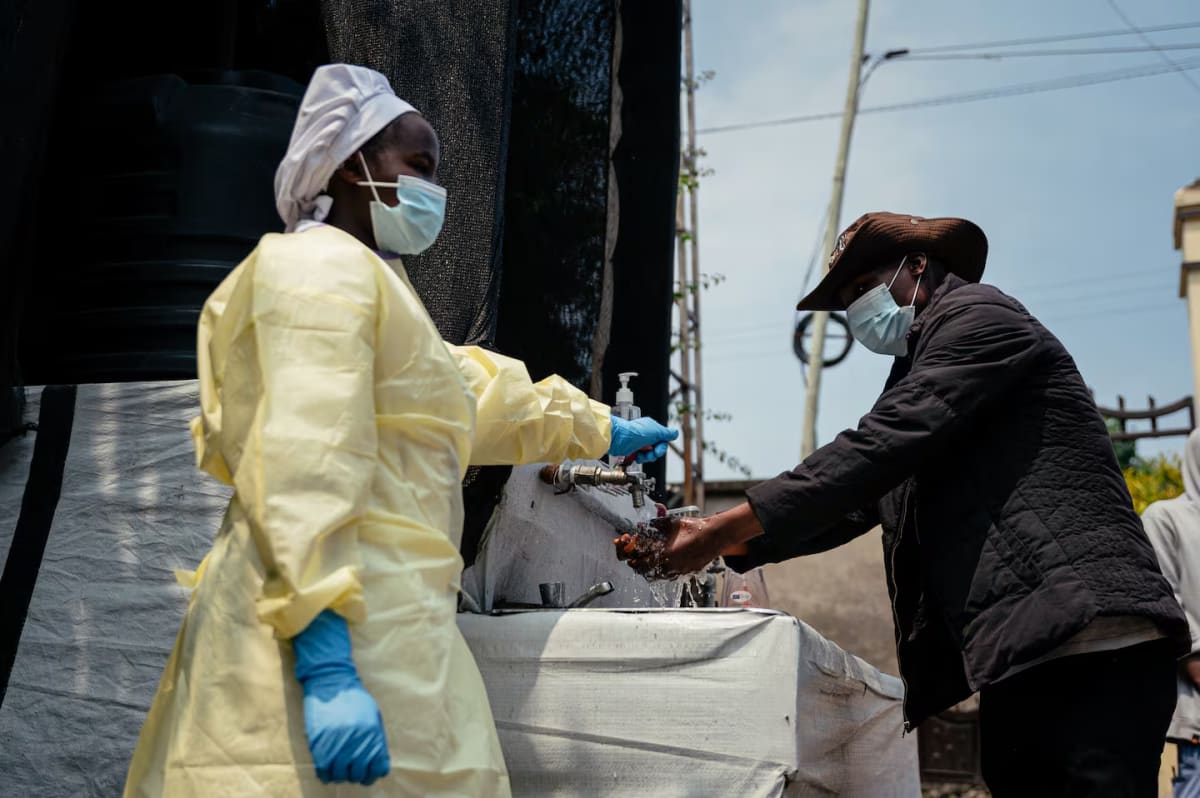
The Ebola outbreak in the Democratic Republic of Congo has reached a critical juncture, with the World Health Organization reporting more than 500 suspected cases and 130 deaths since the epidemic began. While only 30 cases have been laboratory confirmed, the rapid rise in suspected infections has raised alarms among global health officials. The situation underscores the challenges of containing highly infectious diseases in regions with fragile healthcare infrastructure and ongoing conflict. With transmission accelerating, public health agencies are racing to deploy resources, trace contacts, and prevent further spread before the outbreak spirals beyond control.
What Happened
The World Health Organization has documented a sharp increase in suspected Ebola cases in the Democratic Republic of Congo, with the total now exceeding 500. Of these, 130 are suspected deaths, though only 30 cases have been confirmed through laboratory testing. The discrepancy between suspected and confirmed cases highlights the logistical hurdles in diagnosing and tracking the disease in remote and conflict affected areas. WHO Representative in DRC, Dr Anne Ancia, briefed reporters in Geneva on Tuesday, emphasizing the urgency of the situation and the need for coordinated international support.
Why Public Health Officials Are Concerned
Ebola is one of the deadliest viral diseases known, with fatality rates ranging from 25% to 90% depending on the strain and healthcare response. The current outbreak in DRC is particularly worrisome due to several factors. First, the region has limited access to healthcare facilities, delaying diagnosis and treatment. Second, ongoing armed conflict and population displacement complicate efforts to trace contacts and administer vaccines. Third, community mistrust of health workers and misinformation about the disease can hinder containment efforts. The WHO has previously declared Ebola outbreaks in DRC a Public Health Emergency of International Concern, reflecting the global risk of spread.
Symptoms or Risk Factors
Ebola virus disease typically begins with sudden onset of fever, fatigue, muscle pain, headache, and sore throat. This is followed by vomiting, diarrhea, rash, impaired kidney and liver function, and in some cases, internal and external bleeding. The virus spreads through direct contact with bodily fluids of infected individuals or contaminated surfaces. Healthcare workers, family members caring for the sick, and those handling the bodies of deceased victims are at highest risk of infection. Early symptoms can be mistaken for malaria or typhoid, delaying critical isolation and treatment.
Who May Be Affected
The outbreak is concentrated in the eastern provinces of DRC, where armed conflict has displaced millions and weakened health systems. Vulnerable populations include children, the elderly, and those with pre existing health conditions. Healthcare workers are also at elevated risk due to frequent exposure to infected patients. Neighboring countries, such as Uganda, Rwanda, and South Sudan, remain on high alert due to the potential for cross border transmission, particularly among mobile populations and refugees.
Government or WHO Response
The WHO, in collaboration with DRC’s Ministry of Health and international partners, has ramped up its response to the outbreak. Key measures include:
- Deployment of mobile laboratories to accelerate case confirmation and reduce diagnostic delays.
- Expansion of vaccination campaigns using the rVSV ZEBOV Ebola vaccine, which has shown high efficacy in previous outbreaks.
- Training of local health workers in infection prevention and control, including the use of personal protective equipment.
- Community engagement initiatives to address misinformation and build trust in health interventions.
- Strengthening surveillance systems to monitor cross border movement and detect cases early.
The WHO has also called for increased funding to sustain these efforts, warning that under resourced responses could allow the outbreak to persist or spread.
Prevention and Safety Guidance
Preventing Ebola transmission requires a combination of individual and community level actions. The WHO and health authorities recommend:
- Avoiding direct contact with bodily fluids of infected individuals, including blood, saliva, sweat, and vomit.
- Practicing rigorous hand hygiene with soap and water or alcohol based sanitizers.
- Using personal protective equipment, such as gloves and masks, when caring for sick individuals.
- Ensuring safe burial practices, as the virus can remain infectious in bodily fluids after death.
- Seeking immediate medical attention if symptoms develop, especially after exposure to confirmed or suspected cases.
- Healthcare facilities should implement strict infection control protocols, including isolation of suspected cases and sterilization of equipment.
What Readers Should Know
While the Ebola outbreak in DRC poses a significant public health challenge, it is not an immediate global threat. However, the situation demands vigilance, particularly in regions with weak health systems or high population mobility. Travelers to affected areas should stay informed about local developments, adhere to health advisories, and avoid non essential contact with sick individuals. For those in DRC or neighboring countries, following prevention guidelines and participating in vaccination campaigns can help curb the spread. The international community’s support, including funding and technical assistance, remains critical to bringing this outbreak under control.
Key Takeaways
- The WHO has reported over 500 suspected Ebola cases and 130 deaths in the Democratic Republic of Congo, with only 30 cases confirmed.
- Ebola is highly lethal, with fatality rates up to 90%, and spreads through direct contact with bodily fluids of infected individuals.
- Ongoing conflict, weak healthcare infrastructure, and community mistrust are complicating containment efforts in DRC.
- The WHO and partners are scaling up vaccination campaigns, deploying mobile labs, and training health workers to control the outbreak.
- Prevention measures include avoiding contact with bodily fluids, practicing hand hygiene, and following safe burial practices.
Frequently Asked Questions
What is Ebola virus disease?
Ebola virus disease is a severe, often fatal illness caused by the Ebola virus. It spreads through direct contact with bodily fluids of infected individuals or contaminated surfaces. Symptoms include fever, fatigue, muscle pain, vomiting, diarrhea, and in some cases, internal or external bleeding.
How effective is the Ebola vaccine?
The rVSV ZEBOV Ebola vaccine has shown high efficacy in previous outbreaks, particularly when used in ring vaccination strategies targeting contacts of confirmed cases. It is currently being deployed in DRC to help control the spread of the virus.
Who is most at risk during an Ebola outbreak?
Healthcare workers, family members caring for sick individuals, and those handling the bodies of deceased victims are at highest risk. Children, the elderly, and people with pre existing health conditions are also more vulnerable to severe disease.
Is there a risk of Ebola spreading globally?
While the risk of global spread is currently low, the potential exists, particularly in regions with weak health systems or high population mobility. The WHO monitors the situation closely and provides guidance to prevent cross border transmission.
What should travelers to DRC or neighboring countries do?
Travelers should stay informed about the outbreak, follow health advisories, avoid contact with sick individuals, and practice rigorous hand hygiene. Those in affected areas should also participate in vaccination campaigns if eligible.
Medical Review: MedSense Editorial Board








DISCUSSION (0)
POST A COMMENT