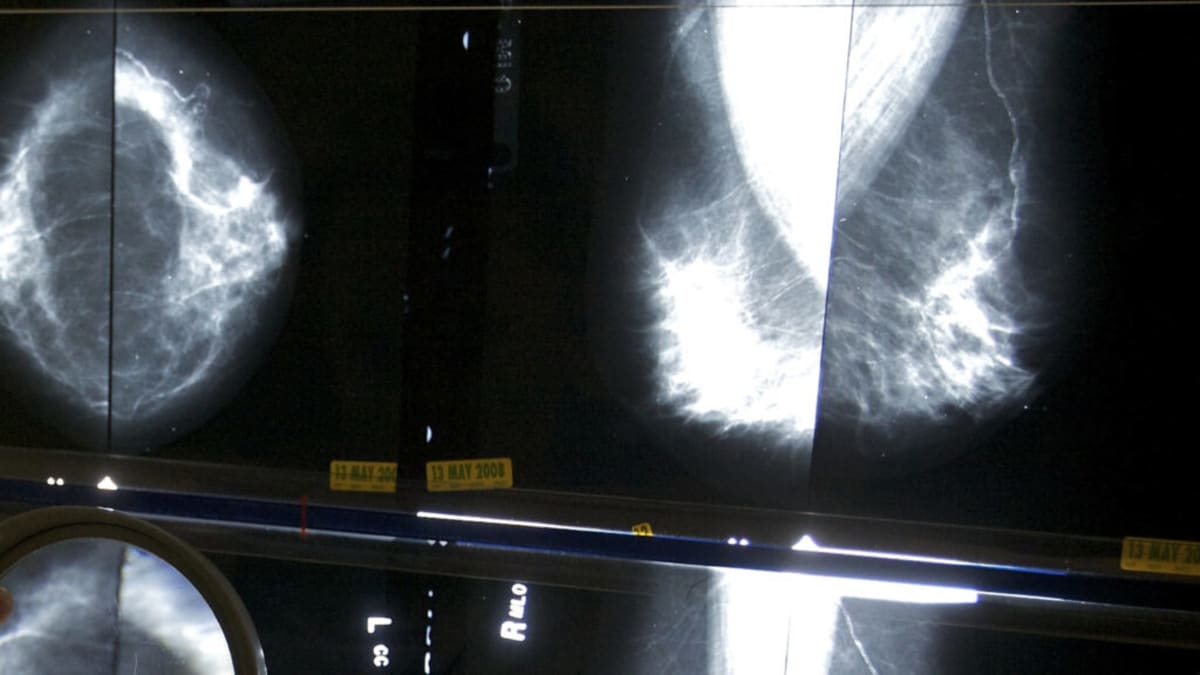
Breast cancer remains the most commonly diagnosed cancer among women worldwide, with more than 2.3 million new cases reported annually. In sub Saharan Africa, where healthcare resources are often limited, early detection becomes even more critical to improving survival rates. Yet despite the life saving potential of mammography, women and healthcare providers face a persistent dilemma: when should routine screening begin?
The confusion stems from conflicting recommendations from leading health authorities. The World Health Organization, the American Cancer Society, and the U.S. Preventive Services Task Force each offer different guidance on the age to start mammograms and how often they should occur. This inconsistency has created uncertainty that may delay screenings at a time when early detection could mean the difference between life and death.
What Happened
The divergence in mammogram guidelines reflects ongoing scientific debate about the balance between early cancer detection and the potential harms of overdiagnosis. The WHO recommends biennial mammograms for women aged 50 to 69 in countries with robust health systems, emphasizing that the benefits outweigh risks in this age group. Meanwhile, the American Cancer Society advocates for annual screenings starting at age 45, with the option to begin at 40, citing the higher incidence of aggressive breast cancers in younger women. The U.S. Preventive Services Task Force takes a more conservative stance, suggesting biennial screenings from ages 50 to 74, while allowing individualized decisions for women aged 40 to 49 based on their risk profiles.
Why Public Health Officials Are Concerned
Public health experts warn that conflicting guidelines may lead to delayed screenings, particularly among women who are unsure when to start or how often to continue mammograms. Breast cancer detected at stage 0 or 1 has a five-year survival rate of nearly 99%, according to data from the National Cancer Institute. However, when cancer spreads to distant parts of the body, survival drops to 27%. The stakes are clear: delayed detection significantly reduces treatment options and survival chances.
The World Health Organization has highlighted that in low-resource settings, where advanced diagnostic tools and treatment options are limited, early detection through screening becomes even more vital. The organization notes that while mammography is less accessible in many African countries, alternative screening methods such as clinical breast exams and ultrasound are being explored to bridge the gap. The American Cancer Society has also emphasized that Black women, who face a higher mortality rate from breast cancer in the United States, may benefit from earlier and more frequent screening due to disparities in tumor biology and healthcare access.
Symptoms or Risk Factors
While mammograms are a cornerstone of early detection, women should also be aware of symptoms that warrant immediate medical evaluation. These include:
- A new lump or thickening in the breast or underarm area
- Changes in breast size or shape
- Skin dimpling, puckering, or redness
- Nipple discharge other than breast milk, especially if it is bloody
- Nipple turning inward or a change in the appearance of the nipple
Several risk factors increase the likelihood of developing breast cancer. Age is the most significant, with the majority of cases occurring in women over 50. However, other factors also play a role:
- Family History: A first-degree relative (mother, sister, or daughter) with breast cancer doubles a woman’s risk. If multiple relatives are affected, the risk increases further.
- Genetic Mutations: Mutations in the BRCA1 and BRCA2 genes significantly elevate risk, with some studies suggesting up to a 70% lifetime risk of breast cancer for BRCA1 carriers. Genetic testing is recommended for individuals with a strong family history or ancestry associated with these mutations.
- Dense Breast Tissue: Women with dense breasts have a higher risk of breast cancer, and mammograms may be less effective due to the masking effect of dense tissue. Supplemental imaging, such as ultrasound or MRI, is often recommended.
- Reproductive History: Early menstruation (before age 12), late menopause (after age 55), and never having children or having a first child after age 30 are associated with increased risk.
- Lifestyle Factors: Obesity, particularly after menopause, alcohol consumption, and physical inactivity are linked to higher breast cancer risk. The American Institute for Cancer Research estimates that up to 30% of breast cancer cases could be prevented through lifestyle modifications.
Who May Be Affected
While breast cancer can affect women of all ages, certain populations face higher risks or barriers to early detection. Women aged 40 to 49 fall into a gray area where guidelines diverge, leaving many uncertain about when to start screening. For Black women, the risk of developing breast cancer is slightly lower than for white women, but they are 40% more likely to die from the disease, according to the American Cancer Society. This disparity is attributed to a combination of biological factors, such as a higher prevalence of aggressive triple-negative breast cancer, and systemic barriers to healthcare access, including delayed diagnoses and unequal treatment.
Women with a history of radiation therapy to the chest, particularly during adolescence or young adulthood, are also at elevated risk. Additionally, those with a personal history of breast cancer or certain benign breast conditions, such as atypical hyperplasia, face a higher likelihood of recurrence or new primary cancers.
In low- and middle-income countries, where mammography infrastructure is limited, women in rural areas or underserved communities may face additional challenges in accessing screening services. The WHO has called for the integration of breast cancer screening into primary healthcare systems, alongside efforts to improve awareness and reduce stigma associated with the disease.
Government or WHO Response
The World Health Organization has prioritized breast cancer as part of its global initiative to reduce premature mortality from noncommunicable diseases by one-third by 2030. In 2021, the WHO launched the Global Breast Cancer Initiative, which aims to improve survival rates through early detection, timely diagnosis, and comprehensive treatment. The initiative recommends a phased approach to screening, starting with clinical breast exams in settings where mammography is not feasible, followed by the gradual introduction of mammography as health systems strengthen.
In the United States, the U.S. Preventive Services Task Force has faced criticism from some advocacy groups for its conservative stance on mammogram timing. However, the Task Force maintains that its recommendations are based on rigorous evidence reviews and aim to minimize harms such as false positives and unnecessary biopsies. The American Cancer Society, on the other hand, has taken a more aggressive approach, citing the potential to save lives by detecting cancers earlier, even if it means a higher rate of follow-up testing.
In Africa, where breast cancer often presents at later stages, several countries have begun implementing pilot screening programs. For example, Nigeria’s National Cancer Control Plan includes provisions for early detection through community health worker training and the establishment of screening centers. The African Organization for Research and Training in Cancer (AORTIC) has also been instrumental in advocating for improved breast cancer care across the continent.
Prevention and Safety Guidance
While mammograms are a critical tool for early detection, they are not the only line of defense against breast cancer. Public health experts emphasize that prevention and proactive health management play equally important roles. Here are evidence-based strategies to reduce risk and improve outcomes:
- Regular Self-Exams and Clinical Checkups: Women should perform monthly breast self-exams and schedule annual clinical breast exams, particularly if they are over 40 or have risk factors. Any unusual changes should be reported to a healthcare provider immediately.
- Personalized Screening Plans: Women with a family history of breast cancer or known genetic mutations should discuss tailored screening schedules with their doctors. This may include earlier initiation of mammograms, additional imaging, or genetic counseling.
- Healthy Lifestyle Choices: Maintaining a healthy weight, limiting alcohol intake, and engaging in regular physical activity can reduce breast cancer risk. The American Institute for Cancer Research recommends at least 150 minutes of moderate-intensity exercise per week.
- Breastfeeding: For women who choose to have children, breastfeeding for at least one year has been associated with a slight reduction in breast cancer risk.
- Minimize Hormone Therapy: Postmenopausal hormone therapy that combines estrogen and progesterone has been linked to an increased risk of breast cancer. Women considering hormone therapy should discuss the risks and benefits with their healthcare provider.
- Environmental Awareness: While the link between environmental toxins and breast cancer is still under study, reducing exposure to known carcinogens, such as tobacco smoke and certain chemicals, is a prudent step.
For women in regions with limited access to mammography, the WHO recommends focusing on awareness campaigns and training community health workers to perform clinical breast exams. In these settings, early diagnosis through symptom recognition and prompt referral to treatment can significantly improve survival rates.
What Readers Should Know
The conflicting mammogram guidelines are not a reflection of uncertainty about the importance of early detection, but rather a reflection of the complex trade-offs involved in screening programs. Mammography can save lives by detecting cancers before they spread, but it can also lead to overdiagnosis—identifying cancers that may never become clinically significant—resulting in unnecessary anxiety and treatment. The challenge for women and their healthcare providers is to strike a balance that maximizes benefits while minimizing harms.
Ultimately, the decision about when to start mammograms and how often to continue them should be made in consultation with a trusted healthcare provider. Women should come to their appointments prepared with information about their personal and family medical history, as well as any symptoms or concerns they may have. Advocating for one’s health is not about adhering rigidly to a single guideline, but about making informed, individualized decisions that align with one’s risk profile and values.
For those who are unsure where to begin, the first step is simple: schedule a conversation with your doctor. Whether you are 40, 50, or older, understanding your risk and taking proactive steps toward early detection could be the most critical health decision you ever make.
Key Takeaways
- Conflicting mammogram guidelines from WHO, American Cancer Society, and USPSTF create uncertainty about when to start screening.
- Early detection through mammography or clinical exams dramatically improves survival rates, with stage 0 or 1 breast cancer having a 99% five year survival rate.
- Women with a family history of breast cancer, genetic mutations (BRCA1/BRCA2), dense breasts, or other risk factors may need earlier or more frequent screening.
- Black women face higher mortality rates from breast cancer due to biological and systemic factors, underscoring the need for tailored screening approaches.
- Lifestyle modifications, such as maintaining a healthy weight, limiting alcohol, and exercising regularly, can reduce breast cancer risk.
- In low resource settings, clinical breast exams and community health worker training can serve as critical alternatives to mammography.
Frequently Asked Questions
At what age should I start getting mammograms?
The recommended starting age varies by organization. The American Cancer Society suggests beginning annual screenings at age 45, with the option to start at 40. The U.S. Preventive Services Task Force recommends biennial screenings from ages 50 to 74, while the WHO advises mammograms every two years for women aged 50 to 69 in well resourced settings. Individual risk factors, such as family history or genetic mutations, may warrant earlier screening. Discuss your personal risk profile with your healthcare provider to determine the best schedule for you.
How often should I get a mammogram?
The frequency of mammograms depends on your age, risk factors, and the guidelines you follow. The American Cancer Society recommends annual screenings for women aged 45 to 54, transitioning to biennial screenings at age 55. The U.S. Preventive Services Task Force suggests biennial screenings for women aged 50 to 74. The WHO recommends mammograms every two years for women aged 50 to 69. Women with higher risk factors, such as BRCA mutations, may need more frequent screenings, such as annual MRI or ultrasound in addition to mammograms.
What are the risks of mammograms?
Mammograms are generally safe, but they are not without risks. False positives can lead to unnecessary anxiety and additional testing, such as biopsies. Overdiagnosis is another concern, where cancers that may never become clinically significant are detected and treated, potentially leading to overtreatment. The benefits of early detection, however, generally outweigh these risks, particularly for women at higher risk of aggressive breast cancers. Discuss the potential risks and benefits with your healthcare provider to make an informed decision.
Are mammograms less effective for women with dense breasts?
Yes, mammograms can be less effective for women with dense breast tissue because dense tissue appears white on mammograms, similar to tumors. This masking effect can make it harder to detect cancers. Women with dense breasts are often recommended to have supplemental imaging, such as ultrasound or MRI, in addition to mammograms. Some states in the U.S. have laws requiring healthcare providers to inform women about their breast density and the potential need for additional screening.
What should I do if I can’t afford or access a mammogram?
Access to mammograms can be limited in low resource settings or for women without insurance. The World Health Organization recommends integrating breast cancer screening into primary healthcare systems, starting with clinical breast exams performed by trained community health workers. In the U.S., programs like the National Breast and Cervical Cancer Early Detection Program (NBCCEDP) provide free or low cost screenings for eligible women. Additionally, some nonprofit organizations and local health departments offer screening services or financial assistance. Contact your local health department or a community health center to inquire about available resources.
What lifestyle changes can reduce my breast cancer risk?
Several lifestyle modifications have been linked to a reduced risk of breast cancer. Maintaining a healthy weight, particularly after menopause, limiting alcohol consumption, and engaging in regular physical activity can all contribute to lower risk. The American Institute for Cancer Research recommends at least 150 minutes of moderate intensity exercise per week. Breastfeeding for at least one year, if feasible, may also reduce risk. Avoiding tobacco smoke and reducing exposure to environmental toxins are additional prudent steps.
Medical Review: MedSense Editorial Board








DISCUSSION (0)
POST A COMMENT