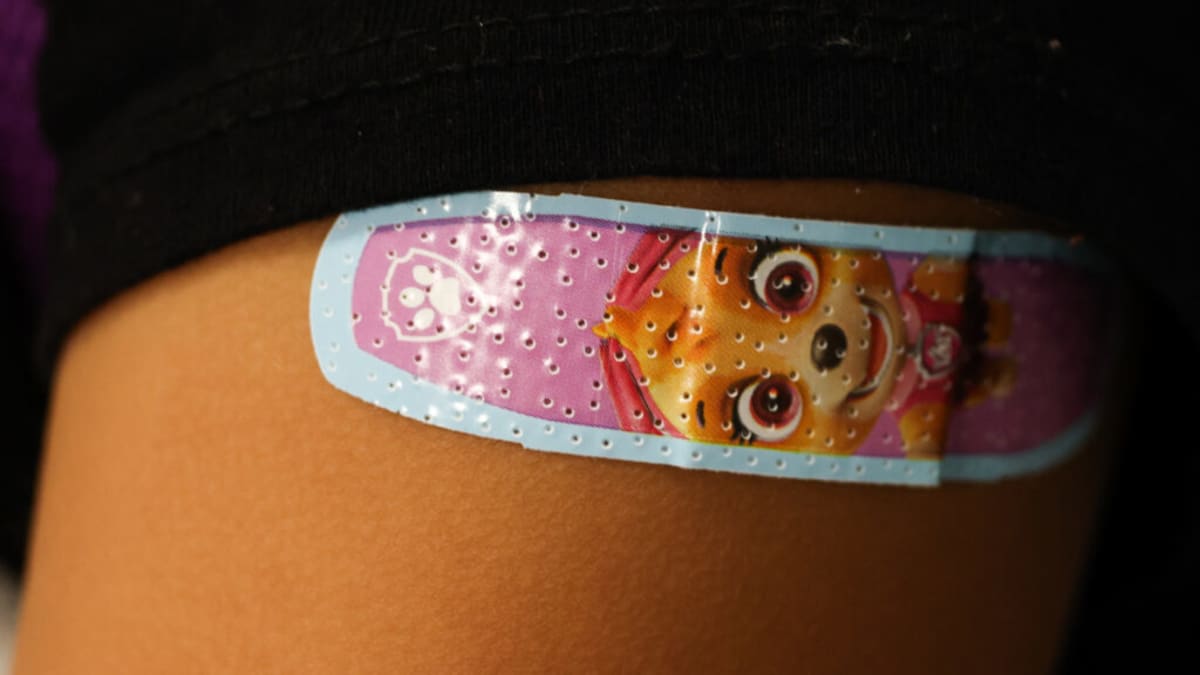
Public health experts are re examining the ethical foundations of childhood vaccination policies as vaccine preventable diseases resurface in communities with declining immunization rates. The debate centers on a fundamental question: when parents make vaccination decisions for their children, whose interests are being prioritized?
Unlike adult medical decisions, childhood vaccinations are made by guardians who may not fully grasp the broader implications of their choices. While parental autonomy remains a cornerstone of medical ethics, public health officials argue that vaccination decisions carry consequences that extend beyond individual households.
What Happened
Vaccine preventable diseases have re emerged in regions where immunization rates have declined, prompting health authorities to reassess the balance between parental rights and public health obligations. Measles outbreaks have tripled in parts of Africa over the past year, while polio has resurfaced in communities where vaccine hesitancy has taken hold. Public health experts warn that these trends reflect a growing disconnect between individual vaccination choices and community wide health protections.
Why Public Health Officials Are Concerned
Health authorities emphasize that vaccination is not merely a personal health decision but a collective responsibility. When parents refuse or delay vaccines for their children, the consequences ripple through communities, endangering vulnerable populations. Herd immunity, a critical defense for immunocompromised individuals, newborns, and those with medical exemptions, begins to erode as vaccination rates decline.
According to the World Health Organization (WHO), vaccine hesitancy is now a top global health threat, contributing to the resurgence of diseases once considered under control. The Africa Centres for Disease Control and Prevention (Africa CDC) has reported significant increases in measles and polio cases in areas where immunization coverage has dropped below 90%.
Symptoms or Risk Factors
Vaccine preventable diseases pose the greatest risk to:
- Infants too young to be fully vaccinated
- Individuals with weakened immune systems
- People with medical conditions that prevent vaccination
- Communities with low vaccination rates, where outbreaks are more likely to occur
Who May Be Affected
The debate over childhood vaccination policies affects a wide range of stakeholders:
- Parents and guardians: Making informed decisions about their children’s health while considering broader community impacts
- Healthcare providers: Addressing vaccine hesitancy and providing evidence based guidance
- Public health officials: Designing policies that balance individual rights with population health needs
- Vulnerable populations: Including newborns, immunocompromised individuals, and those with medical exemptions
Government or WHO Response
Global health organizations are intensifying efforts to combat vaccine hesitancy and improve immunization coverage. The WHO has launched initiatives to strengthen vaccine delivery systems and address misinformation. In Africa, the Africa CDC is working with governments to enhance surveillance and outbreak response in regions where vaccine preventable diseases are resurging.
Some countries have implemented policies to increase vaccination rates, such as mandatory school immunization requirements and stricter exemption processes. These measures aim to protect public health while respecting parental rights.
Prevention and Safety Guidance
For parents and caregivers navigating vaccination decisions, health authorities recommend the following steps:
- Consult authoritative sources: Turn to organizations like the WHO, Africa CDC, and national health agencies for evidence based information.
- Engage with healthcare providers: Pediatricians and family doctors can address concerns and provide personalized guidance based on a child’s health history.
- Understand the science: Vaccines undergo rigorous testing for safety and efficacy before approval. The risks of vaccine preventable diseases far outweigh the minimal risks associated with vaccination.
- Advocate for community health: Recognize that vaccination is a responsibility to protect those who cannot protect themselves, including newborns and immunocompromised individuals.
What Readers Should Know
Childhood vaccination policies are not about restricting parental rights but about ensuring that every child has the opportunity to grow up in a safe and healthy environment. Vaccines save lives, and their benefits extend beyond individual households to entire communities.
Parents should weigh the risks of vaccine preventable diseases against the minimal risks of vaccination. Consulting trusted healthcare providers and relying on evidence based information can help make informed decisions that protect both their children and their neighbors.
Key Takeaways
- Vaccine preventable diseases are resurging in regions with declining immunization rates, threatening community health.
- Herd immunity protects vulnerable populations, including infants and immunocompromised individuals.
- Parental vaccination decisions carry consequences beyond individual households, affecting entire communities.
- Health authorities recommend consulting trusted sources and engaging with healthcare providers to make informed decisions.
- Vaccination policies aim to balance parental rights with public health obligations to protect population health.
Frequently Asked Questions
What are the risks of vaccine preventable diseases for children?
Vaccine preventable diseases such as measles, polio, and whooping cough can lead to severe complications, including pneumonia, brain damage, and death. Infants and young children are particularly vulnerable to these risks.
How does herd immunity protect vulnerable populations?
Herd immunity occurs when a high percentage of a community is vaccinated, reducing the spread of disease and protecting those who cannot be vaccinated, such as newborns and immunocompromised individuals.
What should parents do if they have concerns about vaccines?
Parents should consult trusted healthcare providers and rely on evidence based information from organizations like the WHO and national health agencies. Open dialogue with pediatricians can help address specific concerns.
Are there policies in place to increase vaccination rates?
Some countries have implemented mandatory school immunization requirements and stricter exemption processes to improve vaccination rates and protect public health.
How can communities support vaccination efforts?
Communities can support vaccination efforts by promoting evidence based information, addressing misinformation, and advocating for policies that prioritize public health while respecting parental rights.
Medical Review: MedSense Editorial Board








DISCUSSION (0)
POST A COMMENT