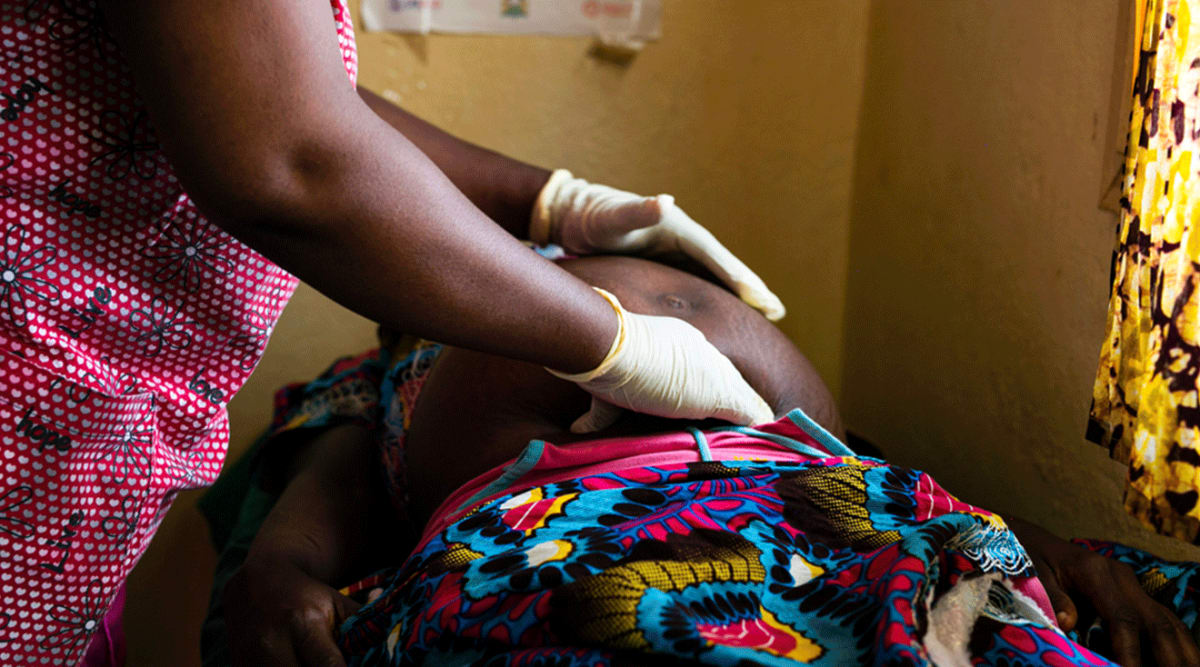
Oyo State has become the first in Nigeria to domesticate the National Guidelines on Safe Termination of Pregnancy (STOP), a policy shift experts say could prevent up to a third of maternal deaths in the state. The announcement, made during a high level stakeholders' workshop at the University College Hospital in Ibadan, marks a critical step in addressing Nigeria’s severe maternal health crisis.
According to the World Health Organization, Nigeria accounts for one fifth of global maternal deaths, with unsafe abortions contributing to nearly 13% of these fatalities. The new guidelines aim to standardize safe termination procedures, train healthcare providers, and expand access to post abortion care, including counseling and contraception.
What Happened
The Oyo State Primary Health Care Board has formally adopted the National Guidelines on Safe Termination of Pregnancy, integrating them into the state’s healthcare framework. The move follows a stakeholders' workshop convened at the University College Hospital in Ibadan, where health officials, policymakers, and reproductive health experts discussed implementation strategies.
Why Public Health Officials Are Concerned
Nigeria’s maternal mortality rate remains among the highest in the world, with unsafe abortions ranking among the top preventable causes of death. The STOP guidelines seek to address systemic gaps by ensuring that termination procedures are performed safely in accredited facilities, reducing the reliance on clandestine and often dangerous methods.
Dr. Muideen Olatunji, Executive Secretary of the Oyo State Primary Health Care Board, described the initiative as a public health emergency response. "Thousands of women in Oyo State face life threatening complications each year because they lack access to safe options," he said. "This policy is about saving lives, not just changing procedures."
Symptoms or Risk Factors
Unsafe abortions can lead to severe complications, including:
- Life threatening hemorrhage and shock
- Sepsis and other infections
- Uterine or organ damage requiring emergency surgery
- Long term psychological trauma, including depression and anxiety
The new guidelines prioritize early intervention, confidentiality, and non discriminatory care to mitigate these risks.
Who May Be Affected
Women of reproductive age in Oyo State, particularly those in underserved rural and urban communities, are most vulnerable to unsafe abortion practices. The guidelines target healthcare providers, policymakers, and community leaders to ensure widespread awareness and implementation.
Government or WHO Response
The World Health Organization has long emphasized the need for safe abortion access as a critical component of maternal health. The STOP guidelines align with WHO’s recommendations to reduce preventable maternal deaths by improving healthcare infrastructure and provider training.
Oyo State’s adoption of the guidelines follows advocacy from reproductive health organizations, which have highlighted the disproportionate burden on Nigerian women. The state government has committed to funding training programs and expanding accredited facilities.
Prevention and Safety Guidance
To reduce risks associated with unsafe abortions, the Oyo State government advises:
- Seeking care immediately at accredited health facilities, including primary health centers and general hospitals
- Avoiding unlicensed providers or traditional methods
- Demanding non judgmental counseling and information about rights
- Spreading awareness within the community to combat misinformation
What Readers Should Know
This policy change represents a significant shift in Nigeria’s approach to reproductive health. While the guidelines are now in place, their success depends on effective implementation, sustained funding, and community engagement. Women in Oyo State should be aware of their rights to safe, confidential care and the resources available to them.
Key Takeaways
- Oyo State has adopted Nigeria’s National Guidelines on Safe Termination of Pregnancy to reduce maternal deaths by up to 30%.
- Unsafe abortions contribute to nearly 13% of maternal deaths in Nigeria, according to the WHO.
- The guidelines aim to standardize safe procedures, train providers, and expand post abortion care.
- Women should seek care at accredited facilities and avoid unlicensed providers to minimize risks.
- Implementation success depends on funding, provider training, and community awareness.
Frequently Asked Questions
What are the National Guidelines on Safe Termination of Pregnancy (STOP)?
The STOP guidelines are a set of standardized protocols developed by Nigeria’s federal health authorities to ensure safe, legal, and evidence based termination of pregnancy in accredited healthcare facilities. They include training for providers, post abortion care, and measures to reduce stigma.
How will these guidelines reduce maternal deaths in Oyo State?
By standardizing safe termination procedures, training healthcare providers, and expanding access to post abortion care, the guidelines aim to prevent complications from unsafe abortions, which are a leading cause of preventable maternal deaths in Nigeria.
Where can women in Oyo State access safe termination services?
Women should seek care at accredited health facilities, including primary health centers and general hospitals. The Oyo State Primary Health Care Board has designated these centers to provide safe, confidential services under the new guidelines.
What are the risks of unsafe abortions?
Unsafe abortions can lead to severe hemorrhage, infections like sepsis, organ damage, and long term psychological trauma. These complications often require emergency medical intervention and can be fatal without prompt treatment.
Will other Nigerian states adopt similar guidelines?
While Oyo State is the first to domesticate the STOP guidelines, reproductive health advocates are urging other states to follow suit. The success of this initiative may influence national policy decisions in the coming years.
Medical Review: MedSense Editorial Board








DISCUSSION (0)
POST A COMMENT