Executive Summary
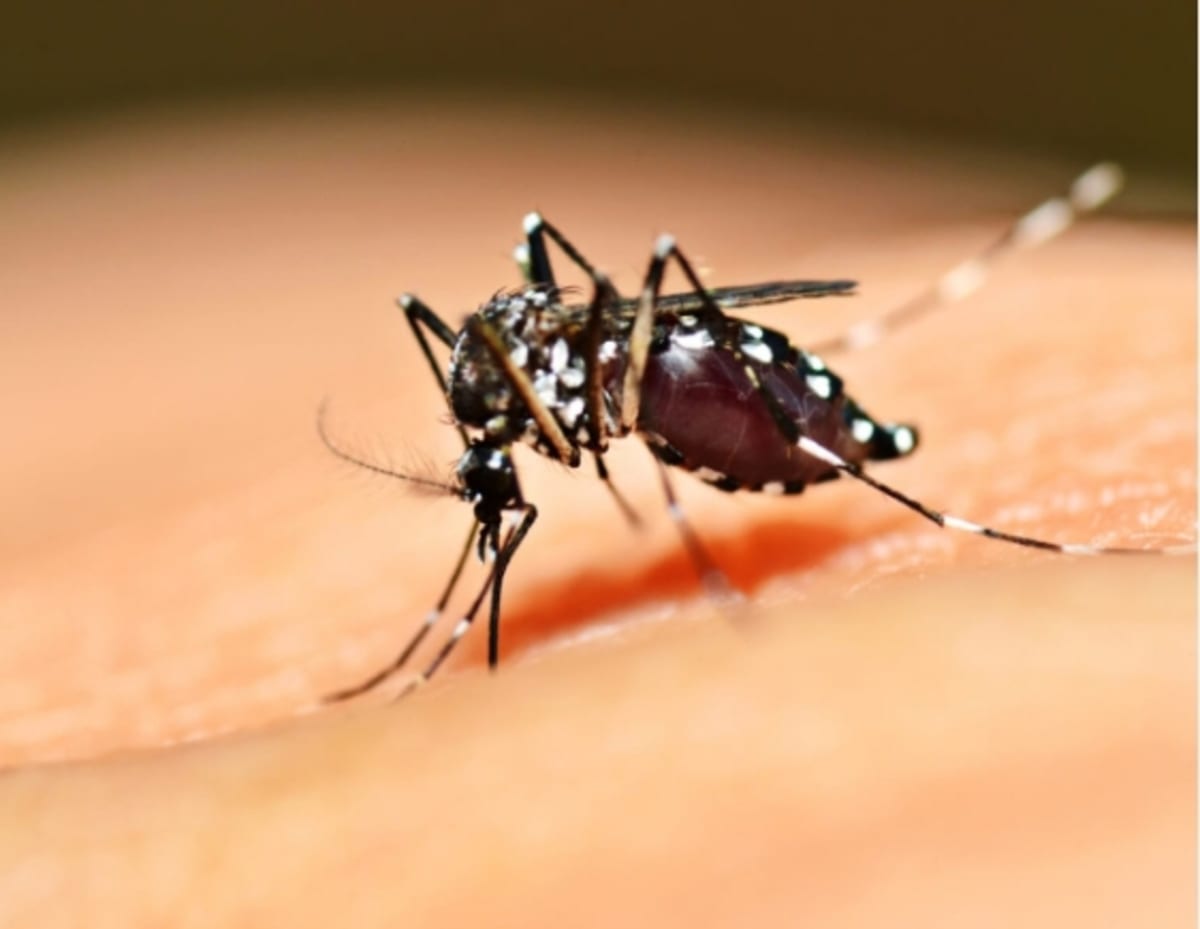
Canada is experiencing a significant rise in tick and mosquito borne diseases, driven by climate change, according to a new commentary in the Canadian Medical Association Journal (CMAJ). Warmer temperatures, milder winters, and shifting precipitation patterns are expanding the habitats of disease carrying vectors, leading to increased reports of Lyme disease, West Nile virus, and rare infections like Powassan virus in regions previously considered low risk. Public health officials are urging Canadians to take preventive measures as healthcare systems face growing strain from these emerging threats.
What Happened
Canada is witnessing a rapid expansion of tick and mosquito borne diseases, a trend directly linked to climate change. A commentary published in the Canadian Medical Association Journal (CMAJ) highlights how rising temperatures, milder winters, and altered precipitation patterns are creating ideal conditions for disease carrying vectors to thrive in new regions. Historically low risk areas in Quebec, Ontario, and the Maritimes are now reporting cases of Lyme disease, West Nile virus, and even the rare but deadly Powassan virus.
Why Public Health Officials Are Concerned
Public health experts are sounding the alarm over several interconnected factors driving this surge. First, the geographic range of ticks, including the blacklegged tick responsible for Lyme disease, has expanded dramatically. Second, warmer winters have extended the active seasons for both ticks and mosquitoes, nearly eliminating the traditional off season for disease transmission. Third, increased human exposure to outdoor environments has heightened the risk of encounters with infected vectors. Finally, ecosystem disruptions caused by climate change are allowing invasive species to outcompete natural predators, further amplifying vector populations.
The consequences extend beyond individual health. Healthcare systems are facing mounting pressure from the growing burden of vector borne diseases, with treatment costs and long term complications straining resources. Vulnerable populations, including children, older adults, and immunocompromised individuals, are particularly susceptible to severe outcomes.
Symptoms or Risk Factors
Recognizing the symptoms of tick and mosquito borne diseases is critical for early intervention. Lyme disease, the most common tick borne illness in Canada, often presents with a distinctive bullseye rash, fever, fatigue, and joint pain. If left untreated, it can lead to chronic neurological and musculoskeletal complications. West Nile virus typically causes flu like symptoms, including fever, headache, and body aches, though severe cases can result in neurological damage. The Powassan virus, though rare, is particularly concerning due to its potential to cause encephalitis and meningitis, with a mortality rate of approximately 10%. Symptoms may include fever, headache, vomiting, seizures, and confusion.
Risk factors include spending time in grassy or wooded areas, particularly during peak tick activity in spring, summer, and early fall. Mosquito exposure is highest during dawn and dusk, especially in regions with standing water. Individuals with outdoor occupations or recreational habits are at elevated risk, as are those living in areas with established vector populations.
Who May Be Affected
The expansion of tick and mosquito borne diseases poses a risk to nearly all Canadians, but certain groups face heightened vulnerability. Children and older adults are more likely to experience severe complications from infections like West Nile and Powassan viruses. Individuals with weakened immune systems, including those undergoing chemotherapy or living with HIV, are also at greater risk of severe outcomes. Outdoor workers, including farmers, forestry employees, and construction crews, face daily exposure to vectors. Additionally, travelers to endemic regions, both domestically and internationally, should remain vigilant about preventive measures.
Geographically, the most affected provinces include Ontario and Quebec, where established tick populations and reported cases of Lyme disease and Powassan virus are rising. The Maritimes and parts of British Columbia are also experiencing increased vector activity, signaling a national trend that demands attention.
Government or WHO Response
In response to the growing threat, public health agencies across Canada are ramping up surveillance and prevention efforts. Health Canada, in collaboration with provincial health authorities, has issued updated guidelines for tick and mosquito bite prevention, emphasizing the importance of environmental controls and personal protective measures. The CMAJ commentary calls for a coordinated national strategy, including enhanced disease surveillance, public health education campaigns, and climate adaptation initiatives to mitigate the long term impacts of vector borne diseases.
The World Health Organization (WHO) has also highlighted the link between climate change and vector borne diseases, noting that rising global temperatures are creating conditions conducive to the spread of these illnesses worldwide. While Canada’s situation is particularly acute, the WHO emphasizes that similar trends are being observed in other temperate regions, underscoring the need for global action.
Prevention and Safety Guidance
Preventing tick and mosquito borne diseases requires a combination of personal precautions, environmental management, and community awareness. The following measures are recommended by public health experts and health authorities:
- Personal Protective Measures: Use insect repellents containing DEET, picaridin, or oil of lemon eucalyptus when spending time outdoors. Wear long sleeved shirts, pants, and closed toe shoes, particularly in grassy or wooded areas. Tuck pants into socks and shirts into pants to minimize skin exposure to ticks.
- Tick Checks and Removal: After returning indoors, thoroughly inspect your body, clothing, and pets for ticks. Pay special attention to hidden areas such as the scalp, armpits, groin, and behind the knees. If a tick is found, remove it promptly using fine tipped tweezers, grasping the head as close to the skin as possible and pulling upward with steady pressure. Clean the bite area with rubbing alcohol or soap and water.
- Environmental Controls: Reduce mosquito breeding sites by eliminating standing water around your home, including in flower pots, gutters, and discarded tires. Keep lawns trimmed and remove leaf litter, brush, and weeds where ticks thrive. Consider using acaricides (tick pesticides) in high risk areas, following local regulations.
- Awareness and Education: Stay informed about disease activity in your region by monitoring updates from local health authorities. Recognize the symptoms of tick and mosquito borne diseases and seek medical attention promptly if they develop. Early diagnosis and treatment can prevent severe complications.
- Vaccination and Travel Precautions: While no vaccines are currently available for most tick borne diseases, travelers to endemic regions should consult their healthcare providers about recommended vaccinations, such as those for Japanese encephalitis or tick borne encephalitis. Always pack insect repellents and protective clothing when traveling to areas with known vector activity.
What Readers Should Know
Vector borne diseases are not just a summer concern—they are becoming a year round threat in many parts of Canada. The intersection of climate change and public health demands a proactive approach from individuals, communities, and governments alike. While the rise in cases may seem alarming, the good news is that most tick and mosquito borne diseases are preventable with the right precautions.
For those living in or traveling to high risk areas, vigilance is key. Simple steps like wearing protective clothing, using repellents, and conducting regular tick checks can significantly reduce the risk of infection. Healthcare providers are also encouraged to remain vigilant, particularly during the peak transmission seasons, and to educate patients about the signs and symptoms of these diseases.
The broader implications of this trend extend beyond individual health. The economic burden of vector borne diseases, including healthcare costs and lost productivity, is substantial. By taking preventive measures and supporting public health initiatives, Canadians can help mitigate these impacts and protect both their communities and the environment.
Key Takeaways
- Climate change is expanding the habitats of ticks and mosquitoes in Canada, leading to a rise in diseases like Lyme disease, West Nile virus, and Powassan virus.
- Warmer winters and longer transmission seasons are increasing human exposure to infected vectors, particularly in regions previously considered low risk.
- Symptoms of tick and mosquito borne diseases vary but may include fever, rash, neurological issues, and severe complications if left untreated.
- Vulnerable populations, including children, older adults, and immunocompromised individuals, face higher risks of severe outcomes.
- Preventive measures such as using insect repellents, conducting tick checks, and eliminating standing water can significantly reduce infection risks.
- Public health agencies are ramping up surveillance and education efforts, but a coordinated national response is needed to address the growing threat.
Frequently Asked Questions
What are the most common tick and mosquito borne diseases in Canada?
The most common tick borne disease in Canada is Lyme disease, caused by the blacklegged tick. Other notable tick borne diseases include anaplasmosis, babesiosis, and the rare but severe Powassan virus. Mosquito borne diseases include West Nile virus, which is the most frequently reported, as well as Eastern equine encephalitis and California serogroup viruses.
How can I tell if a tick bite has transmitted Lyme disease?
The most recognizable early symptom of Lyme disease is a bullseye rash, known as erythema migrans, which appears at the site of the tick bite within 3 to 30 days. Other early symptoms may include fever, chills, headache, fatigue, muscle and joint aches, and swollen lymph nodes. If you suspect a tick bite has led to Lyme disease, seek medical attention promptly for diagnosis and treatment.
Are there any vaccines available for tick or mosquito borne diseases in Canada?
Currently, there are no vaccines approved for most tick borne diseases in Canada. However, there is a vaccine available for Japanese encephalitis, which is recommended for travelers to endemic regions. For mosquito borne diseases, no vaccines are routinely recommended for most Canadians, though preventive measures such as using insect repellents and wearing protective clothing are strongly advised.
What should I do if I find a tick attached to my skin?
Use fine tipped tweezers to grasp the tick as close to the skin's surface as possible. Pull upward with steady, even pressure, avoiding twisting or jerking motions. Clean the bite area with rubbing alcohol or soap and water. Monitor the area for signs of infection or rash, and seek medical attention if symptoms develop. Do not use folklore remedies such as burning the tick or applying petroleum jelly, as these can increase the risk of disease transmission.
How can I reduce mosquito breeding sites around my home?
Eliminate standing water in and around your property, including in flower pots, gutters, buckets, old tires, and pet water dishes. Change water in bird baths and wading pools at least once a week. Keep gutters clean and repair any leaks in outdoor faucets. Use larvicides in water features that cannot be drained, following local regulations. Additionally, ensure window and door screens are intact to prevent mosquitoes from entering your home.
Medical Review: MedSense Editorial Board









DISCUSSION (0)
POST A COMMENT