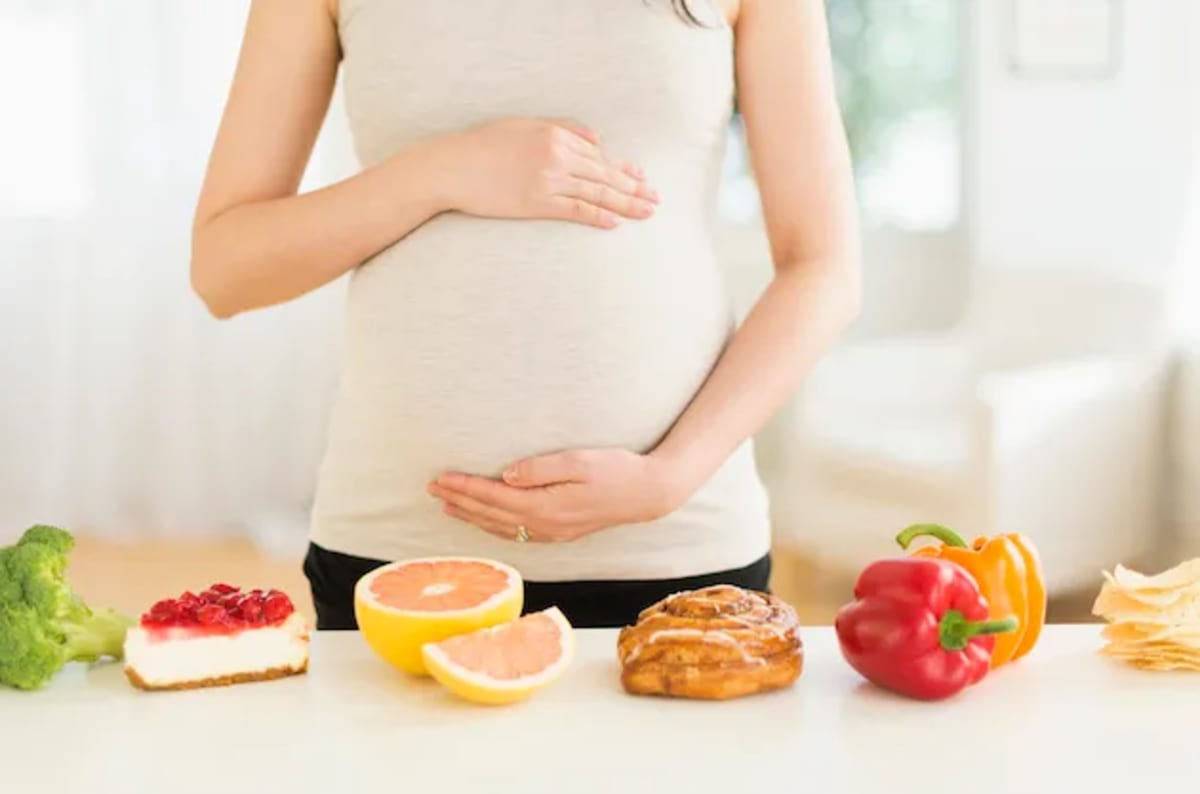
Pregnancy is often framed as a time of preparation, nursery decor, baby showers, and planning for the arrival of a new life. Yet, beneath the joy and anticipation lies a far more consequential responsibility: the opportunity to set the stage for a child’s lifelong health. A landmark study published in The American Journal of Clinical Nutrition underscores that the dietary choices made during pregnancy and the first two years of a child’s life are not merely about nourishment in the moment. They are the foundation upon which a lifetime of health, or chronic disease, is built.
Researchers tracking the diets of nearly 10,000 pregnant women across three African countries found that maternal nutrition directly influences a child’s risk of obesity, diabetes, and cognitive development. These findings are reshaping how public health experts view pregnancy: no longer just a biological milestone, but a pivotal intervention point where families can break cycles of poor health that span generations.
What Happened
The study, which followed pregnant women in sub-Saharan Africa, revealed stark connections between maternal diet and long-term child health outcomes. Mothers who consumed high amounts of ultra-processed foods during pregnancy had a significantly higher likelihood of their children developing obesity by age five. The data also showed that children born to mothers with gestational diabetes were three times more likely to develop type 2 diabetes later in life. Additionally, deficiencies in essential nutrients such as iron, folate, and omega-3 fatty acids were associated with lower IQ scores and behavioral challenges in offspring.
Why Public Health Officials Are Concerned
Public health experts warn that the implications of these findings extend far beyond individual families. The intergenerational effects of poor maternal nutrition are contributing to Africa’s rising burden of non-communicable diseases (NCDs), including diabetes, hypertension, and cardiovascular conditions. According to the World Health Organization (WHO), NCDs now account for over 40% of all deaths in the region, with many of these conditions rooted in early-life nutritional programming.
The concern is twofold. First, undiagnosed or untreated gestational diabetes affects up to 25% of pregnancies in sub-Saharan Africa, yet more than half of these cases go unrecognized. Left unmanaged, gestational diabetes can lead to severe complications for both mother and baby, including preeclampsia, stillbirth, and long-term metabolic disorders in the child. Second, micronutrient deficiencies—particularly iron deficiency anemia—remain alarmingly prevalent, affecting approximately 40% of pregnant women in the region. This not only increases the risk of preterm birth and low birth weight but also impairs cognitive development in infants.
Symptoms or Risk Factors
While the study focuses on maternal nutrition, the risks extend to the child’s lifelong health. Key indicators that a child may face future health challenges due to maternal diet include:
- Excessive weight gain during pregnancy, which is linked to higher obesity risk in children.
- Gestational diabetes, which increases the likelihood of type 2 diabetes in offspring.
- Deficiencies in iron, folate, or omega-3s, which can affect brain development and immune function.
- Maternal obesity, which programs a child’s metabolism toward obesity and metabolic syndrome.
Who May Be Affected
This issue transcends socioeconomic boundaries, though its impact is disproportionately felt in low-income communities where access to nutritious foods is limited. Women in sub-Saharan Africa, particularly those in urban areas, face significant barriers to healthy eating, including high costs of fresh produce, limited availability of nutrient-dense foods, and cultural dietary practices that prioritize convenience over nutrition. Additionally, adolescent mothers and women with preexisting conditions such as anemia or hypertension are at heightened risk of delivering babies with compromised health outcomes.
Families with a history of obesity, diabetes, or cardiovascular disease are also more likely to perpetuate these conditions if maternal nutrition is not addressed during pregnancy. The cycle is self-reinforcing: a mother’s poor diet during pregnancy increases the likelihood that her child will develop similar health issues, which may then be passed down to future generations.
Government or WHO Response
Recognizing the urgency of this issue, health authorities in sub-Saharan Africa are taking steps to integrate nutrition counseling into routine prenatal care. The WHO has emphasized the importance of maternal nutrition in its global strategy to reduce NCDs, advocating for policies that expand access to affordable, nutrient-rich foods in underserved communities. In countries like Kenya and Nigeria, clinics are now incorporating dietary assessments into prenatal visits, providing expectant mothers with personalized nutrition plans and education on the long-term consequences of poor diet.
However, experts stress that these efforts are not enough. Systemic changes are needed to address the root causes of poor maternal nutrition, including:
- Subsidizing the cost of fresh fruits, vegetables, and whole grains to make them more accessible.
- Enhancing nutrition education programs to reach families in rural and urban areas alike.
- Encouraging fathers and partners to participate in meal planning and preparation, fostering a supportive environment for expectant mothers.
- Promoting breastfeeding as a critical first step in establishing healthy eating habits for infants.
Prevention and Safety Guidance
For expectant mothers and their families, the message is clear: pregnancy is a critical window to establish lifelong health. Here are actionable steps to seize this opportunity:
- Prioritize whole foods: Replace ultra-processed snacks and meals with nutrient-dense alternatives such as fruits, vegetables, nuts, seeds, and lean proteins. Aim for at least five servings of vegetables daily, focusing on leafy greens, carrots, and cruciferous vegetables.
- Focus on key nutrients: Ensure adequate intake of iron, folate, choline, and omega-3 fatty acids. Foods rich in these nutrients include spinach, lentils, eggs, fatty fish, and flaxseeds. Prenatal vitamins should complement, not replace, a balanced diet.
- Monitor weight gain: Work with a healthcare provider to stay within recommended gestational weight gain guidelines, which vary based on pre-pregnancy BMI. Excessive weight gain increases the risk of complications for both mother and child.
- Involve the whole family: Pregnancy is a team effort. Partners and older siblings should adopt healthier eating habits to support the mother and model positive behavior for the child. Meal planning and preparation can be a shared responsibility, reducing the burden on the expectant mother.
- Plan ahead: Batch-cook nutritious meals and freeze portions for the postpartum period to ensure a steady supply of healthy foods during recovery and early motherhood.
What Readers Should Know
The choices made during pregnancy are not just about the immediate health of the mother and baby. They are investments in the child’s future, with ripple effects that can span decades. By addressing maternal nutrition today, families can reduce the risk of chronic diseases, improve cognitive outcomes, and break the cycle of poor health that has plagued generations.
For women who are planning a pregnancy or already expecting, the time to act is now. Consult with a healthcare provider to assess nutritional needs, address any deficiencies, and develop a personalized plan. For families, this is an opportunity to rethink meal planning, grocery shopping, and eating habits as a unit. The goal is not perfection but progress—small, sustainable changes that can yield lifelong benefits.
As one mother from Nairobi shared, "I thought pregnancy was just about eating for two, but I didn’t realize how much my diet would shape my baby’s future. After switching to whole foods and cutting out processed snacks, I felt more energized, and my doctor said my baby’s growth was right on track." Her experience highlights a universal truth: pregnancy is more than a nine-month journey. It is a once-in-a-lifetime opportunity to rewrite the narrative of family health.
Key Takeaways
- Pregnancy is a critical window where maternal nutrition directly influences a child’s lifelong health, including risks for obesity, diabetes, and cognitive development.
- Ultra processed foods during pregnancy are linked to a 40% higher risk of childhood obesity, while gestational diabetes triples the likelihood of type 2 diabetes in offspring.
- Micronutrient deficiencies, such as iron and folate, can impair brain development and increase the risk of preterm birth and low birth weight.
- Systemic changes, including expanded access to affordable nutritious foods and integrated prenatal nutrition counseling, are essential to address this public health crisis.
- Families can break the cycle of poor health by adopting healthier eating habits together, planning meals, and involving partners in the process.
Frequently Asked Questions
How does maternal diet during pregnancy affect a child’s long term health?
Maternal nutrition programs a child’s metabolism, immune system, and brain development. Diets high in ultra processed foods are linked to higher obesity risk, while deficiencies in key nutrients like iron and omega 3s can impair cognitive function and increase the likelihood of chronic diseases later in life.
What are the most important nutrients to focus on during pregnancy?
Pregnant women should prioritize iron, folate, choline, and omega 3 fatty acids. Iron supports red blood cell production, folate prevents neural tube defects, choline aids brain development, and omega 3s are crucial for fetal brain and eye development. Foods rich in these nutrients include spinach, lentils, eggs, fatty fish, and flaxseeds.
How can families support an expectant mother in adopting healthier eating habits?
Families can help by planning and preparing nutritious meals together, reducing the mother’s burden. Partners and older siblings should adopt healthier eating habits to model positive behavior for the child. Meal prepping and freezing portions can also ensure a steady supply of healthy foods during the postpartum period.
What are the risks of gestational diabetes, and how can it be managed?
Gestational diabetes affects up to 25% of pregnancies in sub Saharan Africa and increases the risk of preeclampsia, stillbirth, and type 2 diabetes in the child. It is often undiagnosed, so regular prenatal screenings are critical. Management includes monitoring blood sugar levels, adopting a balanced diet, and staying physically active. In some cases, medication may be necessary.
Are there affordable ways to access nutritious foods during pregnancy?
Yes. Families can prioritize seasonal and locally available produce, which is often more affordable. Buying in bulk, choosing frozen vegetables, and opting for plant based proteins like lentils and beans can also reduce costs. Community programs and subsidies for fresh foods, where available, can further improve access.
Medical Review: MedSense Editorial Board








DISCUSSION (0)
POST A COMMENT