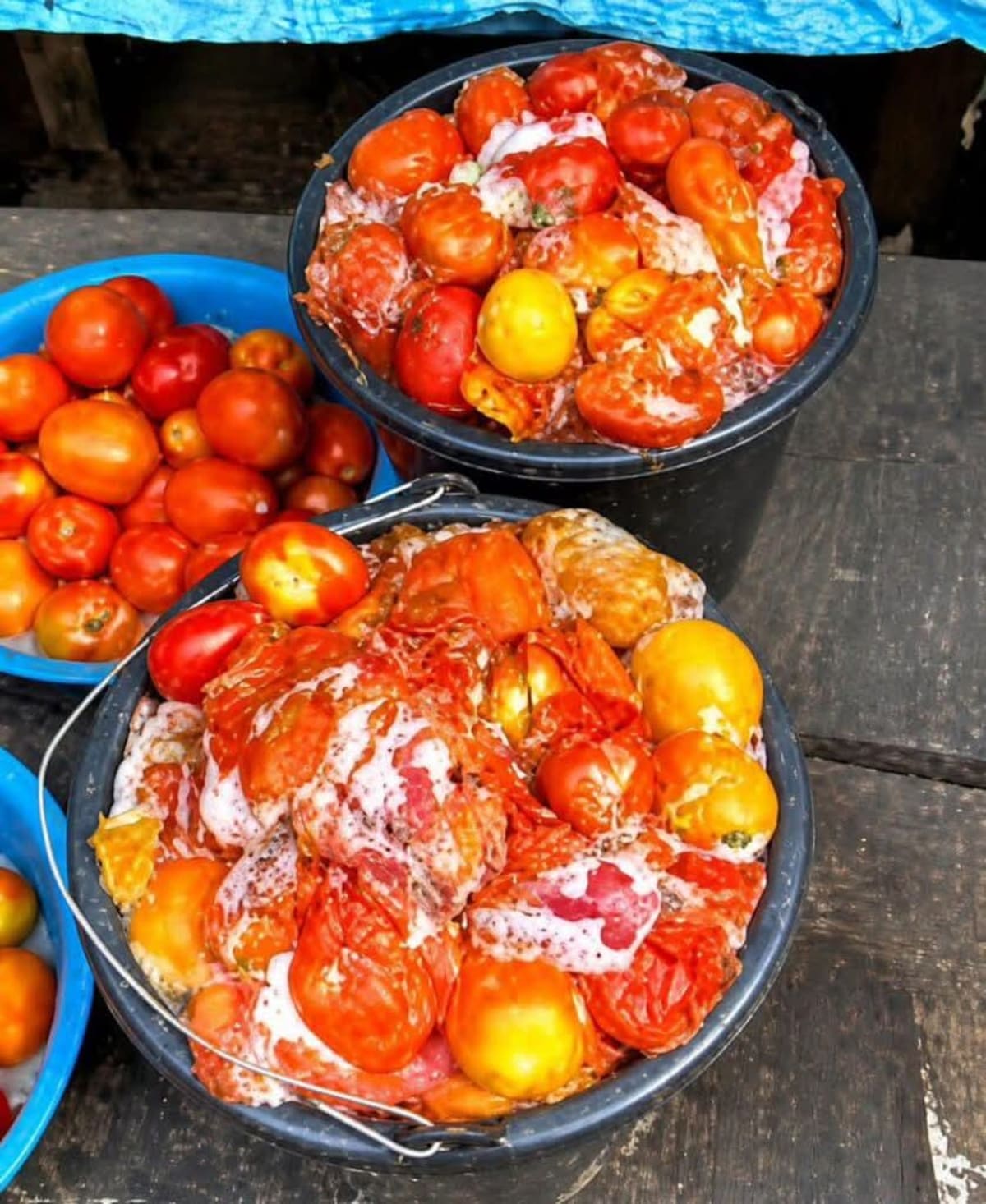
In Nigeria’s most populous city, a quiet threat has been growing in local markets, one that could be lurking in kitchens across Lagos. The Lagos State Consumer Protection Agency (LASCOPA) has raised a red flag over tomatoes that have been left to spoil, locally known as ata esha, warning that consuming them may pose serious health risks. While tomatoes are a dietary staple in Nigerian cuisine, their vulnerability to fungal contamination in humid environments has turned them into potential carriers of dangerous toxins.
What Happened
The warning from LASCOPA follows a surge in reported cases of foodborne illnesses linked to contaminated tomatoes. Investigations revealed that many of these tomatoes had developed fungal growth due to poor storage, unhygienic handling, and exposure to contaminated water during transport. The issue is particularly acute in Lagos, where high humidity accelerates spoilage, creating an environment where mycotoxins can thrive. These toxic compounds are not only heat-stable but can persist even after cooking, making them a silent but significant public health concern.
Why Public Health Officials Are Concerned
Public health experts are alarmed because mycotoxins, the toxic byproducts of fungal growth, can lead to both immediate and long-term health complications. When ingested, these toxins can cause severe food poisoning, with symptoms ranging from nausea and vomiting to life-threatening dehydration and organ failure in extreme cases. More concerning is the evidence linking chronic exposure to mycotoxins with immunosuppression, developmental issues in children, and an increased risk of certain cancers. The World Health Organization (WHO) has classified some mycotoxins, such as aflatoxins, as carcinogenic, underscoring the gravity of the issue.
The rise of ata esha tomatoes is not just a local problem but reflects broader challenges in food safety across urban centers in Africa. Inadequate infrastructure, limited access to refrigeration, and inconsistent regulatory oversight contribute to the persistence of this issue. LASCOPA’s intervention highlights the urgent need for systemic changes to prevent a potential public health crisis.
Symptoms or Risk Factors
Consuming tomatoes contaminated with mycotoxins can lead to a range of symptoms, depending on the level of exposure. Acute symptoms often appear within hours and may include:
- Severe nausea and vomiting
- Abdominal pain and cramping
- Diarrhea, which may become bloody in severe cases
- Fever and chills
- Dehydration, particularly in vulnerable populations such as children and the elderly
For those exposed over prolonged periods, the risks extend beyond immediate illness. Chronic exposure has been associated with weakened immune function, stunted growth in children, and an elevated risk of liver damage and certain cancers. Pregnant women, young children, and individuals with preexisting health conditions are particularly vulnerable to these long-term effects.
Who May Be Affected
While anyone can be affected by consuming contaminated tomatoes, certain groups face higher risks due to their physiological vulnerabilities or dietary habits. Children, whose immune systems are still developing, are more susceptible to the toxic effects of mycotoxins, which can impair growth and cognitive development. Pregnant women are also at increased risk, as exposure to these toxins may lead to complications during pregnancy or adverse outcomes for the fetus.
Additionally, individuals with compromised immune systems, such as those undergoing chemotherapy or living with HIV/AIDS, are more likely to experience severe reactions to mycotoxin exposure. In Lagos, where tomatoes are a dietary staple, these risks are magnified, making it essential for residents to exercise caution when purchasing and storing produce.
Government or WHO Response
Lagos State has taken a proactive stance by issuing public warnings and urging residents to report vendors selling spoiled tomatoes. LASCOPA, in collaboration with the Lagos State Ministry of Health, has intensified surveillance in markets to identify and remove contaminated produce. The agency has also launched awareness campaigns to educate the public on the dangers of mycotoxins and the importance of proper food handling.
The Nigerian government, through the National Agency for Food and Drug Administration and Control (NAFDAC), has emphasized the need for stricter enforcement of food safety regulations. However, challenges remain in ensuring consistent compliance across informal markets, where many vendors operate without adequate refrigeration or storage facilities. The WHO has also highlighted the importance of global food safety standards, particularly in regions where climate conditions favor fungal growth.
Prevention and Safety Guidance
Protecting your family from the risks of mycotoxin-contaminated tomatoes starts with vigilance at every stage, from purchase to consumption. Here are practical steps to minimize exposure:
- Inspect produce carefully: Before buying tomatoes, check for signs of spoilage, such as soft spots, mold, or an off odor. Firm, unblemished tomatoes are less likely to harbor fungal toxins.
- Store tomatoes properly: Keep tomatoes in a cool, dry place away from direct sunlight. Refrigeration can slow spoilage, but avoid storing them in plastic bags, as trapped moisture can accelerate fungal growth. Consume them within a few days of purchase to reduce the risk of contamination.
- Wash tomatoes thoroughly: Even if you plan to cook them, washing under running water can remove surface contaminants. Avoid using soap or detergents, as these can leave residues that may be harmful if ingested.
- Cook with caution: While cooking does not eliminate mycotoxins, it can reduce the risk of bacterial contamination. Avoid consuming raw tomatoes that show signs of spoilage.
- Report violations: If you encounter vendors selling spoiled or moldy tomatoes, report them to LASCOPA via their hotline or social media channels. Your vigilance can help prevent others from falling ill.
- Stay informed: Follow updates from LASCOPA and NAFDAC for the latest guidance on food safety in Lagos. Public awareness is a critical tool in combating this silent threat.
What Readers Should Know
This warning from Lagos is not an isolated incident but part of a larger conversation about food safety in Africa. Urbanization, climate change, and inadequate infrastructure create conditions where foodborne illnesses can thrive. Tomatoes, due to their high moisture content and widespread consumption, are particularly vulnerable to contamination. However, the risks extend beyond tomatoes to other perishable foods, such as leafy greens, grains, and dairy products.
For residents of Lagos and other urban centers, the message is clear: food safety is a shared responsibility. While government agencies play a crucial role in regulating food supply chains, consumers must also take proactive steps to protect their health. By making informed choices, storing food properly, and reporting violations, individuals can contribute to reducing the burden of foodborne illnesses in their communities.
The rise of ata esha tomatoes serves as a reminder that even everyday foods can pose hidden dangers when mishandled. Vigilance, education, and community action are essential to ensuring that the food on our tables is safe and nourishing. As LASCOPA’s warning underscores, the health risks of consuming contaminated produce far outweigh the inconvenience of discarding a few bad tomatoes.
Key Takeaways
- Fungal contamination in tomatoes can produce heat stable mycotoxins that cause severe food poisoning, liver damage, and long term health risks including cancer.
- Children, pregnant women, and immunocompromised individuals are at higher risk of severe complications from mycotoxin exposure.
- Proper inspection, storage, and handling of tomatoes are critical to reducing the risk of contamination.
- Government agencies like LASCOPA and NAFDAC are increasing surveillance and public awareness campaigns to address the issue.
- Consumers play a vital role in food safety by reporting spoiled produce and adopting safe food practices.
Frequently Asked Questions
Can cooking destroy mycotoxins in contaminated tomatoes?
No, mycotoxins are heat stable and cannot be neutralized by cooking. While cooking may reduce the risk of bacterial contamination, it does not eliminate the danger posed by mycotoxins.
What are the early signs of mycotoxin poisoning from contaminated food?
Early symptoms often include nausea, vomiting, abdominal pain, diarrhea, fever, and chills. In severe cases, dehydration and organ failure may occur. Chronic exposure can lead to long term health issues such as immunosuppression and increased cancer risk.
How can I tell if a tomato is contaminated with fungus?
Look for soft spots, mold, or an unusual odor. Firm, unblemished tomatoes with no signs of spoilage are less likely to harbor fungal toxins. When in doubt, discard the tomato to avoid potential health risks.
What should I do if I suspect I have consumed contaminated tomatoes?
Seek medical attention immediately, especially if you experience severe symptoms such as persistent vomiting, diarrhea, or signs of dehydration. Inform your healthcare provider about your symptoms and recent food consumption.
Are there other foods besides tomatoes that are prone to mycotoxin contamination?
Yes, other perishable foods such as leafy greens, grains, nuts, and dairy products can also be susceptible to fungal contamination. Proper storage, handling, and inspection are essential for all perishable foods.
Medical Review: MedSense Editorial Board









DISCUSSION (0)
POST A COMMENT