Executive Summary
Zimbabwe's Medicines Control Authority of Zimbabwe (MCAZ) has dismantled an illegal pharmaceutical lab in Zimre Park, Ruwa, seizing unregistered medicines and manufacturing equipment. The operation, triggered by a public tip, highlights the escalating threat of counterfeit drugs in Africa, where substandard medications contribute to treatment failures, antimicrobial resistance, and preventable deaths. Authorities urge immediate reporting of suspicious medicines and verification of drug authenticity to curb this growing public health crisis.
What Happened
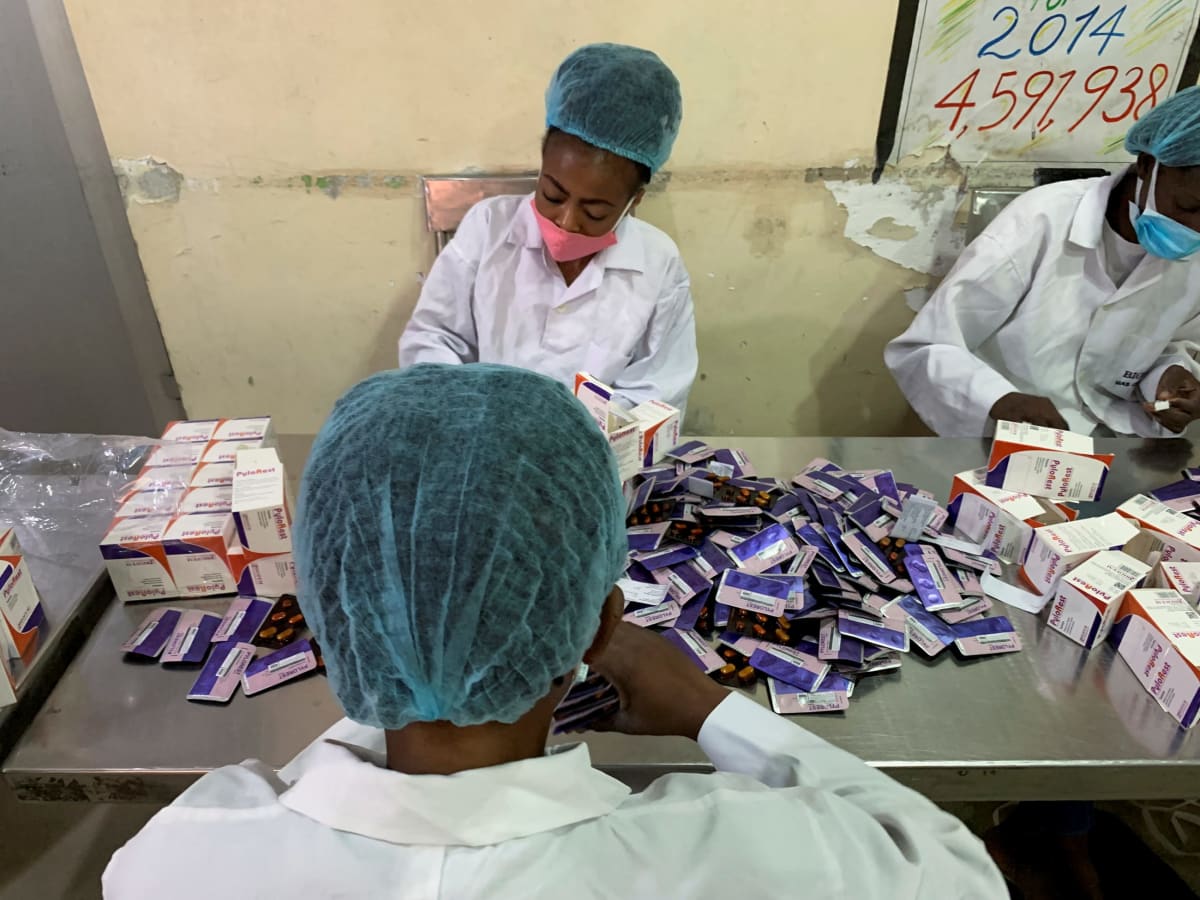
A clandestine pharmaceutical lab operating in Zimre Park, Ruwa, was dismantled by Zimbabwe’s Medicines Control Authority of Zimbabwe (MCAZ) following a tip from a vigilant member of the public. The raid led to the arrest of a suspect and the seizure of unregistered medicines, manufacturing equipment, and packaging materials. This marks one of the most significant crackdowns on illegal drug production in the country in recent years.
Why Public Health Officials Are Concerned
Counterfeit and substandard medicines pose a severe threat to public health, particularly in low- and middle-income countries where healthcare systems are already under strain. According to the World Health Organization (WHO), an estimated 1 in 10 medical products in these regions is either substandard or falsified. These counterfeit drugs often contain incorrect ingredients, improper dosages, or toxic substances, leading to treatment failure, drug resistance, and even death. The proliferation of such medicines exacerbates existing public health crises, including the rise of antimicrobial resistance.
Symptoms or Risk Factors
While counterfeit medicines themselves do not cause direct symptoms, their use can lead to severe health complications. Patients may experience:
- Treatment failure due to incorrect or insufficient active ingredients.
- Adverse reactions from toxic or unapproved substances.
- Development of drug-resistant infections, complicating future treatments.
- Worsening of underlying health conditions due to ineffective medication.
Individuals purchasing medicines from unlicensed vendors, including online platforms without verified credentials, are at higher risk of exposure to counterfeit products.
Who May Be Affected
The impact of counterfeit medicines extends across all demographics, but certain groups are particularly vulnerable:
- Patients with chronic illnesses, such as diabetes, hypertension, or HIV/AIDS, who rely on consistent and effective medication.
- Children and the elderly, whose bodies may be more susceptible to the effects of substandard drugs.
- Communities in rural or underserved areas, where access to regulated pharmacies is limited.
- Travelers and expatriates who may unknowingly purchase counterfeit medicines from unregulated sources.
Government or WHO Response
The Zimbabwean government, through the MCAZ, has intensified efforts to combat the counterfeit medicine trade. The recent bust in Ruwa is part of a broader strategy that includes:
- Strengthening surveillance and monitoring of pharmaceutical supply chains.
- Enforcing stricter penalties for illegal drug manufacturing and distribution.
- Public awareness campaigns to educate citizens on identifying counterfeit medicines.
- Collaboration with international organizations, such as the WHO, to share best practices and resources.
The WHO has also issued global alerts highlighting the dangers of substandard and falsified medical products, urging countries to prioritize regulatory oversight and public education.
Prevention and Safety Guidance
To protect against counterfeit medicines, authorities recommend the following precautions:
- Verify authenticity: Check for proper registration numbers on medication packaging and ensure tamper-proof seals are intact. The MCAZ maintains a list of registered medicines on its official website.
- Avoid unlicensed vendors: Purchase medicines only from licensed pharmacies and healthcare providers. Be cautious of online platforms that do not display verified credentials.
- Report suspicious activity: If you suspect the sale or distribution of unregistered or counterfeit medicines, report it immediately to the MCAZ or local law enforcement. Anonymous tips are accepted.
- Educate yourself and others: Stay informed about the risks of counterfeit medicines and share this information with family and community members, particularly those in high-risk groups.
What Readers Should Know
The discovery of an illegal drug lab in Zimbabwe is a stark reminder of the pervasive threat posed by counterfeit medicines. While law enforcement plays a critical role in dismantling these operations, public vigilance is equally essential. Every report of suspicious activity, every verified purchase, and every informed consumer contributes to the fight against this silent killer. Regulatory agencies are stepping up efforts, but the battle cannot be won without collective action. For those in Zimbabwe, the MCAZ hotline and website provide resources for reporting and verifying medicines. Globally, the WHO continues to monitor and address the issue, emphasizing the need for international cooperation to safeguard public health.
Key Takeaways
- Counterfeit medicines in Africa contribute to hundreds of thousands of preventable deaths annually, according to the WHO.
- Substandard or falsified drugs often contain incorrect ingredients or toxic substances, leading to treatment failure and drug resistance.
- Public vigilance and reporting are critical in identifying and dismantling illegal drug labs.
- Patients should verify medication authenticity and purchase medicines only from licensed vendors to avoid counterfeit risks.
- Strengthening regulatory oversight and public education are essential to combating the counterfeit medicine crisis.
Frequently Asked Questions
How can I tell if my medication is counterfeit?
Check for proper registration numbers on the packaging, ensure tamper-proof seals are intact, and verify the source with the Medicines Control Authority of Zimbabwe (MCAZ) or your local regulatory body. Avoid purchasing medicines from unlicensed vendors or unverified online platforms.
What should I do if I suspect I have a counterfeit medicine?
Stop using the medication immediately and report your suspicions to the MCAZ or local law enforcement. Provide details about where the medicine was purchased and any packaging or labeling irregularities. Seek medical advice from a licensed healthcare provider if you have concerns about your health.
Who is most at risk from counterfeit medicines?
Patients with chronic illnesses, children, the elderly, and individuals in rural or underserved areas are particularly vulnerable. Travelers and expatriates who purchase medicines from unregulated sources are also at higher risk.
What is the Zimbabwean government doing to address this issue?
The government, through the MCAZ, is strengthening surveillance, enforcing stricter penalties for illegal drug manufacturing, and running public awareness campaigns. The MCAZ also collaborates with international organizations like the WHO to share best practices and resources.
Where can I find a list of registered medicines in Zimbabwe?
The MCAZ maintains a list of registered medicines on its official website. Consumers can verify the authenticity of their medications by checking this list or contacting the MCAZ directly.
Medical Review: MedSense Editorial Board







DISCUSSION (0)
POST A COMMENT