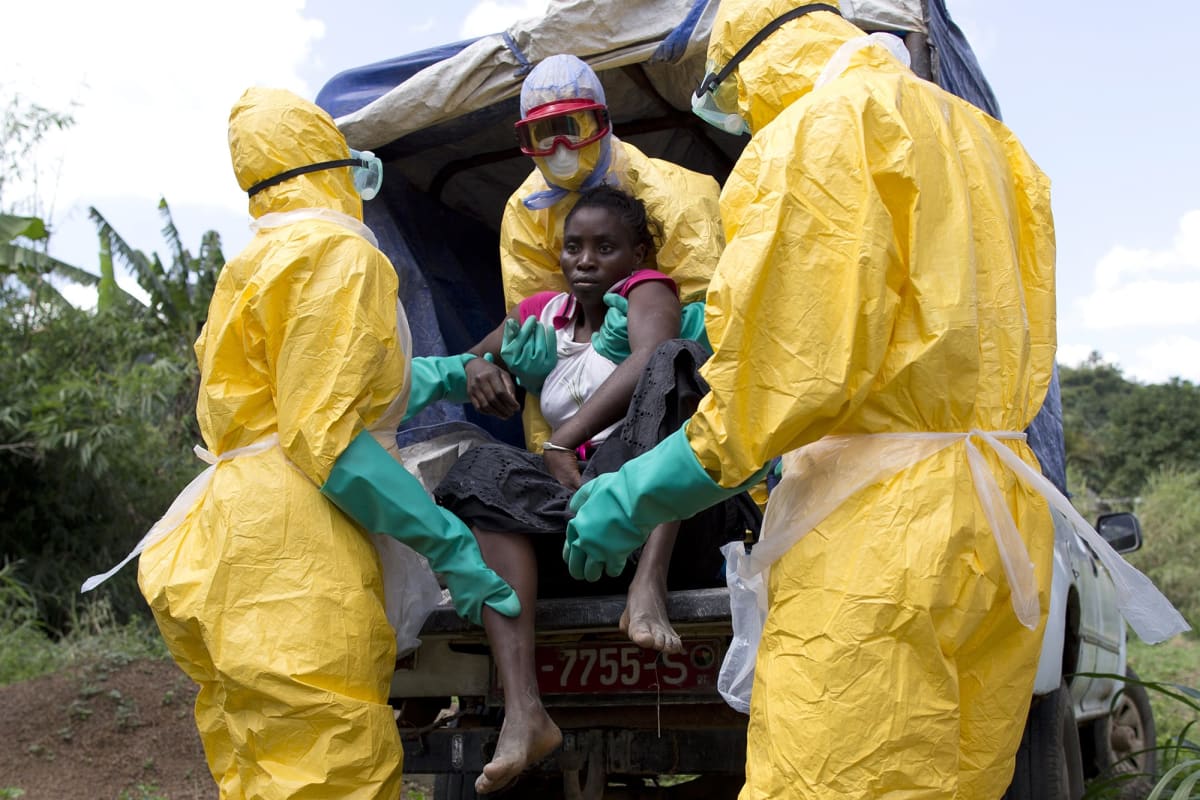
Across Africa, the specter of Ebola Virus Disease has resurfaced with alarming intensity. In the Democratic Republic of Congo and Uganda, outbreaks are testing the limits of regional health systems, while Nigeria, home to over 200 million people and a critical hub for continental travel, stands on the frontline of a potential cross border crisis. The World Health Organization’s declaration of a Public Health Emergency of International Concern underscores the gravity of the situation, signaling that the window for prevention is narrowing.
For Nigeria, the stakes could not be higher. The country’s experience with the devastating 2014 2016 West Africa Ebola epidemic, which claimed over 11,000 lives, serves as a grim reminder of what happens when containment fails. Now, with porous borders, high population mobility, and resource constraints in some healthcare facilities, the nation faces a dual challenge: preventing the virus from crossing its borders while ensuring its health systems are prepared to respond if an imported case slips through.
What Happened
The Democratic Republic of Congo and Uganda are currently battling escalating Ebola Virus Disease outbreaks, with the World Health Organization (WHO) classifying the situation as a Public Health Emergency of International Concern (PHEIC). This designation reflects the international implications of the outbreaks, which have already resulted in significant morbidity and mortality in both countries.
Nigeria’s vulnerability to cross-border transmission stems from several factors. The country shares extensive land borders with both DRC and Uganda, where informal trade routes and unmonitored crossings facilitate the silent spread of the virus. High population mobility, particularly among traders, migrant workers, and travelers, further increases the risk of undetected importation. The virus’s ability to spread rapidly through direct contact with bodily fluids—including blood, vomit, and feces—from infected individuals or contaminated environments adds to the challenge of containment.
Why Public Health Officials Are Concerned
Public health experts are sounding the alarm for several reasons. First, the transmission dynamics of Ebola in densely populated urban areas pose a significant risk. Cities like Kinshasa in DRC and Kampala in Uganda are densely packed, with limited sanitation infrastructure and high rates of close contact, creating ideal conditions for the virus to spread unchecked.
Second, both DRC and Uganda face considerable healthcare system challenges that hinder outbreak containment. These include limited healthcare infrastructure, delayed response times, and shortages of critical supplies such as personal protective equipment (PPE) and Ebola vaccines. The WHO has highlighted these constraints as major obstacles to controlling the outbreaks, emphasizing the need for international support to bolster local health systems.
Third, the historical precedent of the 2014-2016 West Africa Ebola epidemic looms large over Nigeria’s current preparedness efforts. That epidemic, which infected over 28,000 people and claimed more than 11,000 lives across Guinea, Liberia, and Sierra Leone, demonstrated how quickly an imported case can spiral into a national crisis when containment measures are delayed or inadequate. Nigeria’s experience with a single imported case in 2014, which resulted in 20 confirmed cases and 8 deaths, serves as a stark reminder of the potential consequences of complacency.
Symptoms or Risk Factors
Ebola Virus Disease presents with nonspecific early symptoms that can easily be mistaken for other febrile illnesses, such as malaria or typhoid fever. Recognizing the signs is critical for early detection and isolation, as delays in diagnosis can lead to rapid community transmission.
Early symptoms typically appear within 2 to 21 days of exposure and include:
- Fever
- Fatigue
- Muscle pain
- Headache
- Sore throat
As the disease progresses, more severe symptoms may develop, including:
- Vomiting and diarrhea
- Rash
- Impaired kidney and liver function
- Internal and external bleeding (in severe cases)
Individuals at highest risk include those with a history of travel to affected regions or contact with confirmed Ebola cases. The virus spreads through direct contact with bodily fluids from infected individuals or contaminated environments, making healthcare workers and close contacts particularly vulnerable.
Who May Be Affected
The risk of Ebola importation into Nigeria is not confined to any single demographic but is particularly elevated among specific groups:
- Travelers: Individuals arriving from DRC or Uganda, especially those using informal border crossings or high-risk entry points such as airports, seaports, and land borders.
- Healthcare workers: Frontline medical staff in Nigeria who may come into contact with undiagnosed Ebola cases, particularly in under-resourced facilities where infection control measures may be inadequate.
- Border communities: Residents living near porous borders with DRC or Uganda, where cross-border movement is frequent and unmonitored. These communities often rely on informal trade and lack access to formal healthcare systems.
- High-density urban areas: Cities with dense populations and inadequate sanitation infrastructure, where rapid transmission could occur if the virus gains a foothold. Urban centers like Lagos, Kano, and Port Harcourt are particularly vulnerable due to their role as economic hubs and high levels of internal migration.
Government or WHO Response
In response to the escalating threat, Nigeria has activated its National Emergency Operations Centre (NEOC) to coordinate a multi-sectoral response. The Nigeria Centre for Disease Control (NCDC), in collaboration with the WHO and other international partners, has implemented several key measures to mitigate the risk of an Ebola outbreak:
- Border surveillance: Rapid response teams have been deployed at high-risk entry points to screen travelers for symptoms and enforce quarantine measures where necessary. Mandatory health declarations for travelers from high-risk regions have been implemented, and thermal screening is being conducted at airports and seaports.
- Public health education: Nationwide campaigns are underway to raise awareness about Ebola symptoms, transmission routes, and prevention strategies. These campaigns target both urban and rural communities, with a focus on educating families and local leaders about the importance of early reporting and safe practices.
- Healthcare preparedness: Isolation units are being strengthened in hospitals across the country, and healthcare workers are receiving training in infection prevention and control protocols. The government has also procured additional supplies of PPE and is working to ensure the availability of Ebola vaccines for high-risk groups.
- Vaccine readiness: Nigeria is collaborating with the WHO and Gavi, the Vaccine Alliance, to secure Ebola vaccines and conduct simulations to test response readiness. The country has also participated in regional vaccination campaigns in DRC and Uganda, further bolstering its preparedness.
The WHO has provided technical support, including risk assessments and guidelines for surveillance and case management, while the Africa Centres for Disease Control and Prevention (Africa CDC) has offered additional resources to strengthen Nigeria’s response capabilities. The NCDC has also established a 24/7 hotline for reporting suspected cases and seeking guidance.
Prevention and Safety Guidance
Preventing Ebola importation and local transmission requires a combination of individual vigilance and systemic preparedness. Here are key strategies for travelers, healthcare workers, and communities:
- For travelers:
- Avoid non-essential travel to affected regions in DRC and Uganda.
- If travel is unavoidable, monitor your health closely for 21 days after return and seek immediate medical attention if symptoms develop. Inform healthcare providers about your travel history.
- Use official border crossings where health screenings are conducted, and avoid informal or unmonitored routes.
- Practice strict hand hygiene, avoid contact with sick individuals, and refrain from handling dead bodies or consuming bush meat.
- For healthcare workers:
- Adhere to standard infection prevention and control protocols, including the use of PPE when caring for patients with febrile illnesses.
- Isolate patients with suspected Ebola symptoms immediately and report cases to the NCDC hotline.
- Participate in regular training and drills to ensure readiness for Ebola case management.
- For communities:
- Educate families and neighbors about the signs and symptoms of Ebola, emphasizing the importance of early reporting to healthcare facilities.
- Promote safe burial practices, hand hygiene, and avoidance of contact with bodily fluids from sick individuals or animals.
- Support local health authorities by reporting any suspected cases or unusual illnesses in your community.
- For policymakers and health systems:
- Ensure all healthcare facilities have isolation units and adequate supplies of PPE and diagnostic tools.
- Conduct regular drills to test the readiness of emergency response teams and strengthen coordination between national and local health authorities.
- Invest in public health infrastructure, including surveillance systems and community health workers, to improve early detection and response.
What Readers Should Know
Ebola is a preventable disease, but its containment hinges on swift action and collective responsibility. Nigeria’s experience with the 2014-2016 Ebola epidemic demonstrated that even a single imported case can spiral into a national crisis if not detected and managed promptly. The current outbreaks in DRC and Uganda serve as a reminder that infectious disease threats do not respect borders, and global health security is only as strong as the weakest link in the chain.
While the risk of an Ebola outbreak in Nigeria is not inevitable, the window for prevention is narrowing. Every day of inaction increases the likelihood of undetected importation and local transmission. Communities, healthcare workers, and policymakers must work in tandem to fortify Nigeria’s defenses against this deadly virus. The cost of complacency is measured in lives lost, and the time to act is now.
For travelers, healthcare workers, and communities, the message is clear: vigilance saves lives. By staying informed, adhering to prevention guidelines, and supporting public health efforts, we can collectively reduce the risk of Ebola importation and protect the health of all Nigerians.
Key Takeaways
- Nigeria faces an elevated risk of Ebola importation from ongoing outbreaks in the Democratic Republic of Congo and Uganda, necessitating immediate public health action.
- Ebola’s early symptoms mimic common illnesses like malaria, making early detection and isolation critical to preventing widespread transmission.
- Porous borders, high population mobility, and healthcare system constraints in Nigeria amplify the risk of a local outbreak if containment measures fail.
- Strengthening border surveillance, public health education, and healthcare preparedness are essential to mitigating the threat of Ebola importation.
- The 2014 2016 West Africa Ebola epidemic serves as a stark reminder of the devastation that can occur when containment efforts are delayed or inadequate.
- Travelers, healthcare workers, and border communities play a crucial role in preventing Ebola importation through vigilance and adherence to safety guidelines.
Frequently Asked Questions
How does Ebola spread, and what are the most common transmission routes?
Ebola spreads through direct contact with the bodily fluids of infected individuals or contaminated environments. This includes blood, vomit, feces, and other secretions. The virus can also spread through contact with contaminated objects or surfaces, as well as through sexual transmission. It is not spread through air, water, or food, except in rare cases involving contaminated meat from infected animals. Healthcare workers and close contacts of infected individuals are at particularly high risk.
What are the early signs of Ebola, and how can they be distinguished from other illnesses like malaria?
Early symptoms of Ebola include fever, fatigue, muscle pain, headache, and sore throat, which can easily be mistaken for malaria, typhoid fever, or other febrile illnesses. The key difference is the progression of symptoms. Ebola often leads to severe vomiting, diarrhea, and bleeding in later stages, whereas malaria typically presents with cyclical fever patterns. If symptoms persist or worsen after initial treatment for malaria, further evaluation for Ebola should be considered, especially for individuals with a travel history to affected regions.
What measures is Nigeria taking to prevent Ebola importation and local transmission?
Nigeria has activated its National Emergency Operations Centre and is deploying rapid response teams at high risk entry points to screen travelers. The government is also conducting nationwide public health education campaigns, strengthening healthcare system readiness with isolation units and protective equipment, and ensuring the availability of Ebola vaccines. Additionally, the Nigeria Centre for Disease Control (NCDC) is coordinating with international partners like the WHO to enhance surveillance and response capabilities.
Is there a vaccine for Ebola, and who should receive it?
Yes, there are several Ebola vaccines available, including the rVSV ZEBOV vaccine, which has been used in outbreaks in DRC and Uganda. Vaccination is typically prioritized for high risk groups, such as healthcare workers, contacts of confirmed cases, and individuals in outbreak hotspots. The Nigerian government is working to ensure vaccine availability and distribution in the event of an outbreak, in collaboration with the WHO and other partners.
What should travelers do to protect themselves from Ebola when visiting regions with outbreaks?
Travelers to affected regions should avoid contact with sick individuals, refrain from handling dead bodies, and practice strict hand hygiene. They should also avoid consuming bush meat or raw animal products, which can carry the virus. Upon return, travelers should monitor their health for 21 days and seek immediate medical attention if symptoms develop. Using official border crossings with health screenings is also recommended.
How can communities help prevent the spread of Ebola?
Communities can play a critical role by educating families about Ebola symptoms and the importance of early reporting to healthcare facilities. Promoting safe burial practices, hand hygiene, and avoidance of contact with bodily fluids from sick individuals or animals is essential. Supporting local health authorities by reporting any suspected cases or unusual illnesses can also help prevent outbreaks.
What role does the World Health Organization play in Nigeria’s Ebola preparedness?
The WHO provides technical support to Nigeria, including risk assessments, guidelines for surveillance and case management, and coordination with international partners. The organization also offers resources to strengthen Nigeria’s response capabilities, such as training for healthcare workers and assistance with vaccine procurement. The WHO’s declaration of a Public Health Emergency of International Concern underscores the global significance of the outbreaks in DRC and Uganda.
Medical Review: MedSense Editorial Board








DISCUSSION (0)
POST A COMMENT