
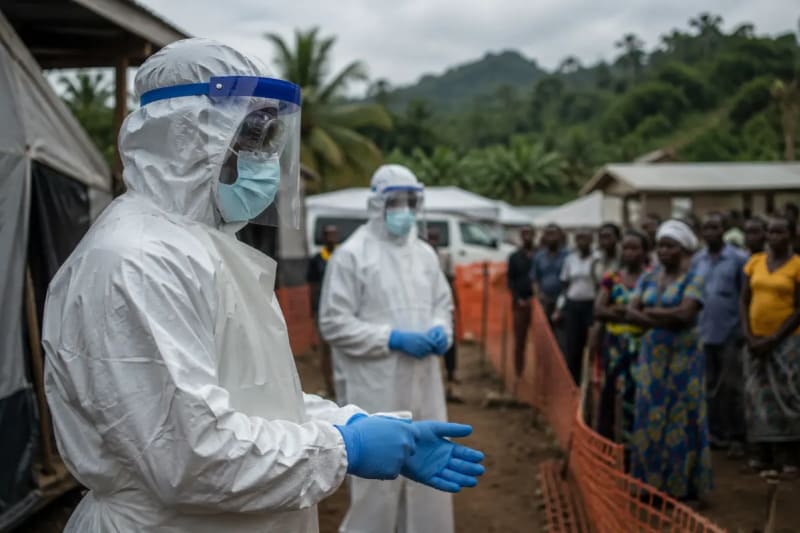
The Democratic Republic of Congo is grappling with one of its most severe Ebola outbreaks in years, and a dangerous practice is making the crisis worse. Health authorities report that the transportation of deceased Ebola victims across different regions of the country is significantly increasing the risk of further transmission. The International Organization for Migration, a United Nations agency, has issued a stark warning about this alarming trend, emphasizing that unsafe handling of infected bodies is undermining containment efforts in a region already struggling with healthcare access and conflict. With Ebola known for its high fatality rate and rapid spread through direct contact, the movement of bodies, often driven by cultural burial traditions, poses a critical public health challenge that demands immediate attention.
What Happened
The International Organization for Migration IOM, a United Nations agency, has raised urgent concerns about the ongoing Ebola outbreak in the Democratic Republic of Congo. According to the IOM, the practice of transporting the bodies of Ebola victims across different parts of the country is fueling the spread of the virus. This movement, often occurring during funeral rites or family relocations, exposes new communities to the highly contagious pathogen. Ebola is transmitted through direct contact with bodily fluids, and deceased victims remain highly infectious, making improper handling a major risk factor for new infections. The current outbreak, one of the worst in Congo's recent history, has already strained local health systems, and the IOM's warning underscores the need for stricter controls on the transportation and burial of Ebola victims.
Why Does It Matter
Ebola outbreaks are among the most lethal public health emergencies, with fatality rates ranging from 25% to 90% depending on the strain and response efforts. The virus spreads rapidly in communities with limited healthcare infrastructure, particularly in regions affected by conflict or displacement, as is the case in parts of Congo. The IOM's warning highlights a critical gap in outbreak control: the intersection of cultural practices and disease transmission. Many communities in Congo and other Ebola affected regions follow traditional burial customs that involve washing, touching, or transporting the deceased, all of which can expose mourners to the virus. When bodies are moved across regions, the risk of introducing Ebola to new areas multiplies, potentially triggering secondary outbreaks. This challenge is not unique to Congo; similar patterns have been observed in past Ebola epidemics in West Africa, where unsafe burials contributed to the rapid spread of the disease. The IOM's alert serves as a reminder that effective outbreak control requires not only medical interventions but also culturally sensitive public health strategies.
Who Does It Affect
This crisis primarily impacts communities in the Democratic Republic of Congo, particularly those in outbreak zones where healthcare access is limited. The most vulnerable groups include family members and close contacts of Ebola victims, who are at highest risk of infection due to direct exposure during burial rituals or care for the sick. Healthcare workers, including doctors, nurses, and burial teams, are also at significant risk, as they frequently come into contact with infected patients or bodies. Additionally, displaced populations and refugees in Congo face heightened vulnerability due to overcrowded living conditions and limited access to sanitation or medical care. Beyond Congo, neighboring countries such as Uganda, Rwanda, and South Sudan are at risk of cross border transmission, especially if infected individuals or bodies are transported across borders. The broader global health community is also affected, as Ebola outbreaks can quickly escalate into international emergencies if not contained, as seen during the 2014 2016 West Africa epidemic.
What Should I Do
If you live in or are traveling to an Ebola affected region, follow these critical steps to protect yourself and your community:
- Avoid direct contact with bodies: Do not touch, wash, or transport the body of someone who has died from Ebola. Contact with bodily fluids, even after death, can transmit the virus. Instead, notify local health authorities immediately so they can arrange for a safe burial.
- Practice strict hygiene: Wash your hands frequently with soap and clean water, or use an alcohol based hand sanitizer. Avoid touching your face, especially your eyes, nose, and mouth, as this can introduce the virus into your body.
- Follow health guidelines for burials: If you are involved in funeral rites, adhere to guidelines provided by health authorities. Safe burial practices, such as using protective equipment and avoiding physical contact with the deceased, are essential to prevent transmission.
- Monitor for symptoms: Be aware of Ebola symptoms, which include fever, fatigue, muscle pain, headache, sore throat, vomiting, diarrhea, and unexplained bleeding. If you or someone you know develops these symptoms, seek medical care immediately and inform healthcare providers of any potential exposure.
- Stay informed: Follow updates from trusted sources such as the World Health Organization WHO, the Centers for Disease Control and Prevention CDC, or local health authorities. These organizations provide real time guidance on outbreak developments and safety measures.
- Support public health efforts: If you are in an affected area, cooperate with health workers conducting contact tracing, vaccination campaigns, or safe burial initiatives. These efforts are critical to containing the outbreak and protecting your community.
What Don't We Know Yet
While the IOM's warning sheds light on a critical issue, several uncertainties remain. First, the full extent of the outbreak's spread due to body transportation is not yet quantified. Health authorities are still assessing how many new cases can be directly linked to this practice, and whether it is the primary driver of transmission in certain regions. Second, the effectiveness of current interventions, such as safe burial teams and community education campaigns, is still being evaluated. It is unclear whether these measures are reaching all affected communities, particularly those in remote or conflict affected areas where access is limited. Third, the role of cross border movement in spreading the virus remains a concern. While Congo shares borders with multiple countries, the risk of regional spread depends on factors such as border security, healthcare infrastructure in neighboring nations, and the movement patterns of displaced populations. Finally, the long term impact of this outbreak on Congo's healthcare system is unknown. Repeated Ebola outbreaks have strained resources and eroded public trust in health authorities, but the full consequences of this crisis will only become clear in the months and years ahead.
Key Public Health Strategies
To combat the spread of Ebola, health authorities and international organizations are implementing a multi pronged approach:
- Safe Burial Teams: Trained teams equipped with protective gear are deployed to ensure that Ebola victims are buried safely, without exposing family members or communities to the virus. These teams work closely with local leaders to respect cultural traditions while minimizing risk.
- Contact Tracing: Health workers identify and monitor individuals who have been in contact with Ebola patients. This helps to quickly isolate new cases and prevent further transmission.
- Vaccination Campaigns: The Ebola vaccine, which has shown high effectiveness in previous outbreaks, is being administered to high risk groups, including healthcare workers and contacts of confirmed cases.
- Community Engagement: Public health campaigns aim to educate communities about Ebola transmission and prevention. These efforts are critical to addressing misinformation and encouraging adherence to safety guidelines.
- Cross Border Coordination: Health authorities in Congo and neighboring countries are collaborating to monitor and respond to potential cross border transmission. This includes sharing data, coordinating vaccination efforts, and strengthening border health screenings.
Key Takeaways
- The transportation of Ebola victims' bodies across the Democratic Republic of Congo is accelerating the spread of the virus, according to the International Organization for Migration.
- Ebola is highly contagious through direct contact with bodily fluids, and deceased victims remain infectious, making unsafe burials a major transmission risk.
- Cultural burial practices, such as washing or touching the deceased, are contributing to the outbreak's spread, highlighting the need for culturally sensitive public health interventions.
- Healthcare workers, family members of victims, and displaced populations are among the most vulnerable groups at risk of infection.
- Safe burial practices, contact tracing, vaccination campaigns, and community education are critical strategies to contain the outbreak and prevent further transmission.
Frequently Asked Questions
Why are Ebola victims' bodies so dangerous?
Ebola victims' bodies remain highly infectious even after death. The virus is transmitted through direct contact with bodily fluids, such as blood, saliva, or sweat. Traditional burial practices, which often involve washing, touching, or transporting the deceased, can expose mourners to the virus and lead to new infections.
What are safe burial practices for Ebola victims?
Safe burial practices involve handling the deceased with protective equipment, such as gloves and masks, to prevent direct contact with bodily fluids. Trained burial teams, often working with local leaders, ensure that the body is buried in a way that respects cultural traditions while minimizing the risk of transmission. Family members are encouraged to participate in non contact rituals, such as prayers or ceremonies, to honor their loved ones safely.
How effective is the Ebola vaccine?
The Ebola vaccine, known as Ervebo, has shown high effectiveness in preventing infection among high risk groups, such as healthcare workers and contacts of confirmed cases. During previous outbreaks, the vaccine played a key role in reducing transmission and containing the spread of the virus. However, its success depends on widespread distribution and community acceptance.
What should I do if I suspect someone has Ebola?
If you suspect someone has Ebola, avoid direct contact with the person and notify local health authorities immediately. Ebola symptoms include fever, fatigue, muscle pain, headache, sore throat, vomiting, diarrhea, and unexplained bleeding. Early medical intervention can improve survival rates and prevent further transmission. If you have been in contact with someone who has Ebola, monitor your health closely and follow guidance from health workers.
How can communities help stop the spread of Ebola?
Communities play a crucial role in stopping the spread of Ebola by following public health guidelines. This includes avoiding direct contact with Ebola victims or their bodies, practicing good hygiene, such as frequent handwashing, and participating in vaccination campaigns if eligible. Community leaders can also help by promoting accurate information about Ebola and encouraging adherence to safety measures.
Medical Review: MedSense Editorial Board









DISCUSSION (0)
POST A COMMENT