What Happened
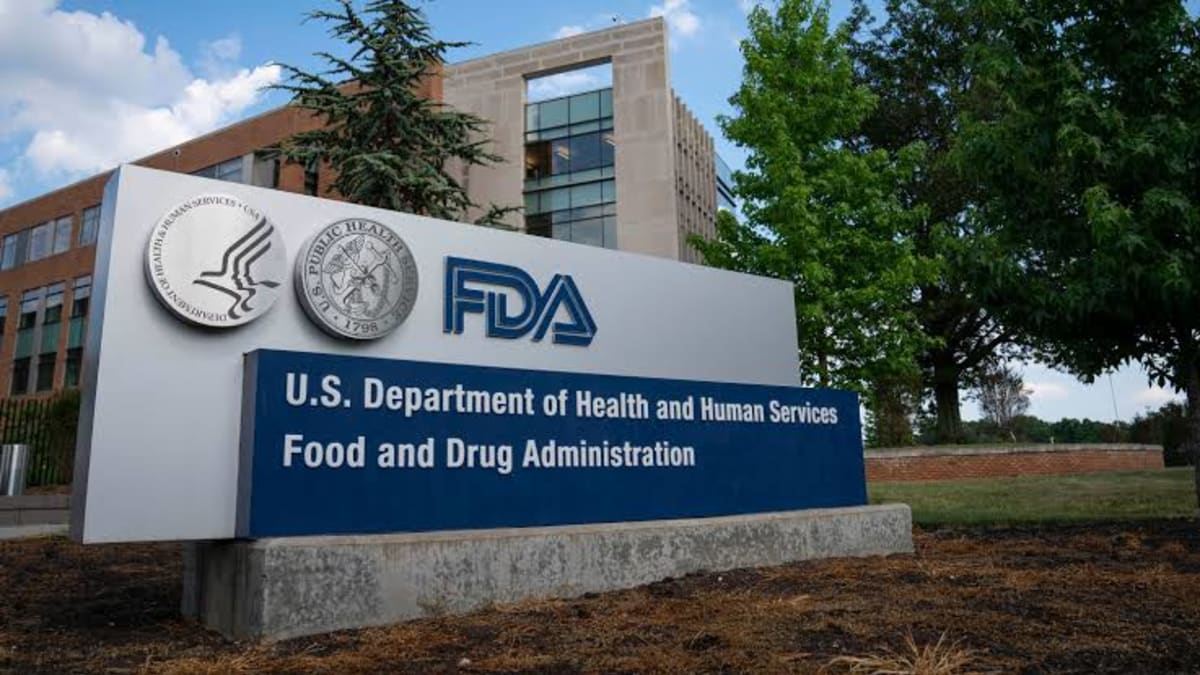
The FDA has launched targeted inspections of farms in Mexico and a lettuce processing facility after tracing contaminated produce to Taylor Farms, a major supplier for Taco Bell. The investigation follows reports of Cyclospora infections among consumers who consumed lettuce from the fast food chain. Cyclospora cayetanensis, the parasite responsible for these illnesses, is typically spread through contaminated fresh produce and can cause prolonged diarrheal illness if untreated. The FDA’s move signals an effort to identify the contamination source, whether at the farm, during processing, or in transit, and prevent further spread of the outbreak.
Why Does It Matter
Cyclospora outbreaks are a recurring public health challenge, particularly during warmer months when fresh produce consumption peaks. This investigation carries broader implications for food safety regulations, cross border supply chains, and consumer trust in fast food and fresh produce. If contamination occurred at the farm level, it could prompt stricter agricultural oversight in Mexico and other exporting countries. For U.S. consumers, the outbreak underscores the importance of food traceability and the potential risks associated with imported produce. Additionally, Cyclospora infections can lead to severe dehydration and hospitalization, especially in children, the elderly, and immunocompromised individuals, making rapid containment a priority for health authorities.
Who Does It Affect
This outbreak primarily impacts consumers who recently ate at Taco Bell locations in states where contaminated lettuce was distributed. While the exact distribution map remains under investigation, past Cyclospora outbreaks have affected multiple regions, including the Midwest and Southwest. High risk groups, such as young children, older adults, and individuals with weakened immune systems, are particularly vulnerable to severe illness. Farmworkers in Mexico and employees at the processing facility may also face exposure risks during the investigation. Public health officials are monitoring for additional cases as the contaminated produce may have been distributed beyond Taco Bell to other restaurants or grocery chains.
What Should I Do
If you or someone in your household recently consumed lettuce from Taco Bell and experiences symptoms such as watery diarrhea, loss of appetite, weight loss, stomach cramps, nausea, or fatigue, seek medical attention promptly. Cyclospora infections require specific antibiotic treatment, so inform your healthcare provider about your food exposure. To reduce risk, wash all fresh produce thoroughly under running water, even if it appears pre washed. Consumers in affected regions should stay updated on FDA and CDC advisories, as additional recalls or warnings may be issued. Restaurants and retailers should verify their produce suppliers and discard any lettuce linked to Taylor Farms until the investigation concludes.
What Don't We Know Yet
The FDA has not yet determined the exact point of contamination, whether it occurred during farming, harvesting, processing, or transportation. The scope of distribution also remains unclear, as the contaminated lettuce may have reached other restaurants or grocery stores beyond Taco Bell. Health officials are still assessing whether this outbreak is connected to other recent Cyclospora cases in the U.S. or if it represents a new, isolated event. Ongoing genetic testing of parasite samples could provide clues about the outbreak’s origin and help prevent future incidents.
Key Takeaways for Consumers and Businesses
- Cyclospora is a parasite that causes prolonged gastrointestinal illness and requires antibiotic treatment.
- The FDA is investigating Mexican farms and a processing facility linked to contaminated lettuce served at Taco Bell.
- High risk groups, including children and immunocompromised individuals, should be especially cautious.
- Washing produce thoroughly and staying informed about FDA updates can help reduce risk.
- Businesses should verify their produce suppliers and monitor for recall announcements.
Key Takeaways
- The FDA is investigating Mexican farms and a lettuce processing facility after Cyclospora contamination was linked to Taco Bell lettuce.
- Cyclospora infections can cause severe gastrointestinal symptoms and require specific antibiotic treatment.
- Consumers should wash produce thoroughly and seek medical attention if symptoms develop after eating potentially contaminated lettuce.
- The exact source and distribution scope of the contamination remain under investigation.
Frequently Asked Questions
What is Cyclospora, and how does it spread?
Cyclospora cayetanensis is a microscopic parasite that causes cyclosporiasis, an intestinal illness. It spreads when people consume food or water contaminated with infected feces. Fresh produce, such as lettuce, berries, and herbs, is a common transmission source, especially when grown or processed in unsanitary conditions.
What are the symptoms of a Cyclospora infection?
Symptoms typically appear within 2 to 14 days after exposure and may include watery diarrhea, loss of appetite, weight loss, stomach cramps, bloating, nausea, and fatigue. Some individuals may experience flu like symptoms such as low grade fever. Symptoms can last for weeks or even months if left untreated.
How is Cyclospora treated?
Cyclospora infections are treated with specific antibiotics, such as trimethoprim sulfamethoxazole. Over the counter diarrhea medications are not effective and may worsen symptoms. If you suspect an infection, consult a healthcare provider for proper diagnosis and treatment.
How can I protect myself from Cyclospora?
To reduce your risk, wash all fresh produce thoroughly under running water before eating, even if it is labeled as pre washed. Avoid consuming raw produce from regions with known outbreaks. If you experience symptoms after eating potentially contaminated food, seek medical attention and inform your provider about your exposure.
Is it safe to eat lettuce from Taco Bell or other restaurants right now?
The FDA has not issued a blanket recall for all lettuce, but consumers should stay informed about updates from health authorities. If you are in a high risk group or live in an area with reported cases, consider avoiding lettuce from Taco Bell or other sources linked to the investigation until the outbreak is resolved.
Medical Review: MedSense Editorial Board






















DISCUSSION (0)
POST A COMMENT