
What Happened
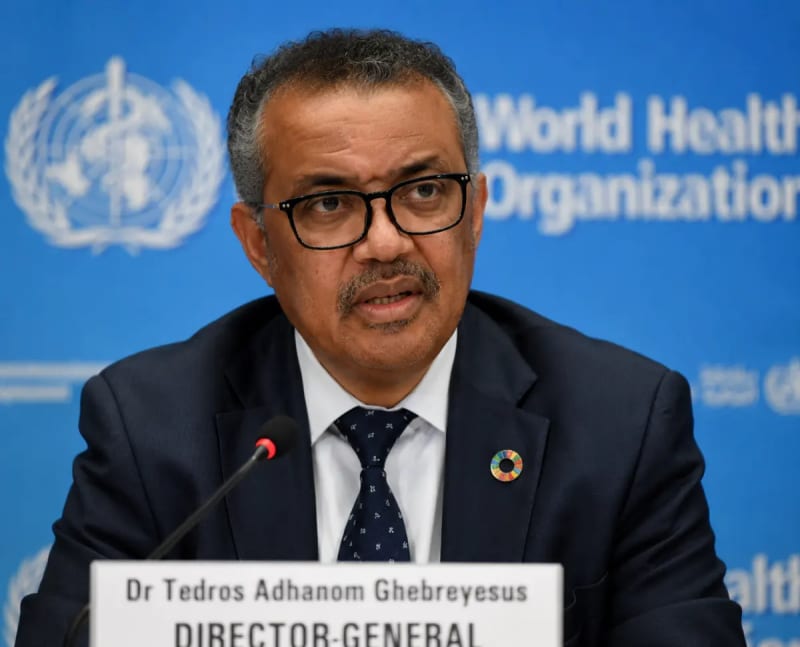
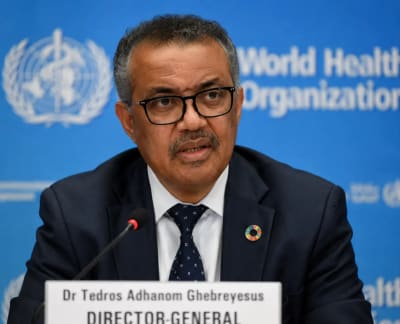
The World Health Organization WHO and UNICEF have released their annual Estimates of National Immunization Coverage WUENIC, revealing a troubling paradox: while 2025 saw the highest global vaccination rates on record, critical funding gaps now endanger these gains in low income countries. The report, analyzed by Gavi the Vaccine Alliance, indicates that financial shortfalls could disrupt routine immunization programs, leaving millions of children unprotected against vaccine preventable diseases. The warning comes as donor fatigue and competing global priorities strain health budgets, particularly in nations already struggling with weak health infrastructure.
The WUENIC data shows that while high income countries maintained or even improved vaccination rates, coverage in low income nations plateaued or declined in some regions. This disparity underscores the fragility of immunization systems in countries where external funding often sustains basic health services. Without urgent financial intervention, WHO and UNICEF caution that progress made over the past two decades could be lost within years.
Why Does It Matter
Immunization remains one of the most cost effective public health interventions, saving an estimated 4 to 5 million lives annually. The potential reversal of immunization gains carries severe consequences for global health security. When vaccination rates fall, herd immunity weakens, creating conditions for outbreaks of diseases like measles and polio, both of which have seen recent resurgences in under vaccinated populations. For low income countries, where health systems are already stretched thin, such outbreaks can overwhelm hospitals, divert resources from other critical services, and trigger broader public health crises.
Beyond immediate health impacts, funding gaps in immunization programs threaten long term development goals. Vaccines not only prevent disease but also reduce poverty by keeping children healthy and in school. The economic burden of vaccine preventable diseases, including treatment costs and lost productivity, can trap families in cycles of poverty for generations. The WHO and UNICEF warning serves as a call to action for governments, donors, and international organizations to prioritize immunization funding as a cornerstone of global health equity.
Who Does It Affect
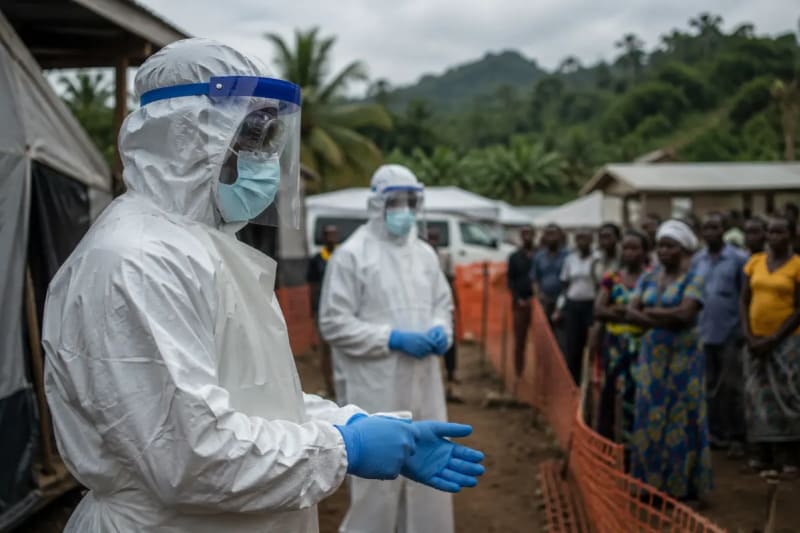
The funding crisis disproportionately impacts children under five in low income countries, particularly in sub Saharan Africa and South Asia. These regions account for the majority of the world’s unvaccinated children, with Nigeria, India, Pakistan, and the Democratic Republic of the Congo among the most affected. Marginalized communities, including those in conflict zones, rural areas, and urban slums, face the highest risk, as access to healthcare services is already limited.
Healthcare workers in these regions are also affected, as funding shortages can lead to stockouts of vaccines, delayed salaries, and reduced training opportunities. This undermines the capacity of local health systems to deliver consistent, high quality care. Additionally, the global community faces indirect risks, as unchecked outbreaks in one region can spread across borders, as seen with recent measles and polio cases in previously disease free countries.
What Should I Do
While the funding crisis requires systemic solutions, individuals can play a role in supporting global immunization efforts. Here’s how:
- Advocate for policy change: Contact elected officials to urge increased funding for global health initiatives, including Gavi the Vaccine Alliance and other immunization programs. Share reliable information about the importance of vaccines to counter misinformation and build public support.
- Support reputable organizations: Donate to or volunteer with organizations like UNICEF, WHO, or Gavi, which work directly to strengthen immunization systems in low income countries. Even small contributions can help procure vaccines, train healthcare workers, or improve cold chain infrastructure.
- Stay informed and spread awareness: Follow updates from trusted sources like WHO and UNICEF to understand the evolving challenges in global immunization. Share accurate information within your community to combat vaccine hesitancy and highlight the importance of equitable access to vaccines.
- Engage in global health discussions: Participate in forums, webinars, or local events focused on global health equity. Advocate for policies that prioritize immunization as a fundamental right, not a privilege.
For parents and caregivers in affected regions, the most critical action is to ensure children receive all recommended vaccines, even if services are disrupted. Local health clinics or community health workers can provide guidance on accessing vaccines during shortages.
What Don't We Know Yet
The WUENIC report provides a snapshot of current immunization coverage, but several uncertainties remain. First, the long term impact of funding gaps on disease outbreaks is difficult to predict. While models suggest a decline in vaccination rates could lead to resurgences of measles or polio, the timing and scale of such outbreaks depend on factors like population density, migration patterns, and local health responses.
Second, the report does not fully capture the indirect effects of funding shortages on other health services. For example, immunization programs often serve as entry points for broader healthcare, such as nutrition support or maternal health services. If these programs collapse, the ripple effects on overall health outcomes remain unclear.
Finally, the role of new vaccine technologies, such as mRNA platforms or heat stable formulations, in mitigating funding gaps is still evolving. While these innovations could improve vaccine delivery in resource limited settings, their cost and scalability in low income countries are not yet fully understood. Ongoing research and pilot programs will be critical to determining their potential impact.
Key Takeaways
- Global immunization progress in low income countries is at risk due to severe funding shortfalls, despite record vaccination coverage in 2025.
- Children under five in sub Saharan Africa and South Asia are most vulnerable, with millions at risk of preventable diseases like measles and polio.
- Funding gaps threaten not only health outcomes but also economic stability, as vaccine preventable diseases perpetuate cycles of poverty.
- Individuals can support global immunization efforts by advocating for policy change, donating to reputable organizations, and spreading accurate information.
- Uncertainties remain about the long term impact of funding shortages, including potential disease resurgences and broader health system disruptions.
Frequently Asked Questions
Why are funding gaps a problem now if vaccination rates were at a record high in 2025?
While 2025 saw record vaccination coverage globally, this progress was uneven. High income countries maintained or improved their rates, but low income nations, reliant on external funding, faced stagnation or declines. Funding gaps now threaten to reverse these gains, as many immunization programs in poorer countries depend on donor support to sustain operations, procure vaccines, and train healthcare workers.
Which diseases are most at risk of resurgence due to funding shortages?
Measles, polio, and diphtheria are among the most immediate threats. These diseases are highly contagious and can spread rapidly in under vaccinated populations. Measles, for example, requires vaccination coverage of at least 95% to prevent outbreaks. When coverage falls below this threshold, as it has in several low income countries, the risk of large scale outbreaks increases significantly.
How can individuals in high income countries help address this issue?
Individuals can support global immunization efforts by advocating for increased government funding for organizations like Gavi the Vaccine Alliance, donating to reputable NGOs, and raising awareness about the importance of vaccines. Even small actions, such as sharing accurate information on social media or participating in local health advocacy groups, can contribute to broader efforts to close the funding gap.
What are the economic consequences of reversing immunization progress?
The economic impact of vaccine preventable diseases extends beyond healthcare costs. Outbreaks can lead to school closures, lost productivity, and long term disability, trapping families in poverty. For low income countries, the cost of treating preventable diseases diverts resources from other critical areas, such as education and infrastructure. On a global scale, outbreaks can disrupt trade, travel, and economic stability, affecting even high income nations.
Medical Review: MedSense Editorial Board












DISCUSSION (0)
POST A COMMENT