What Happened
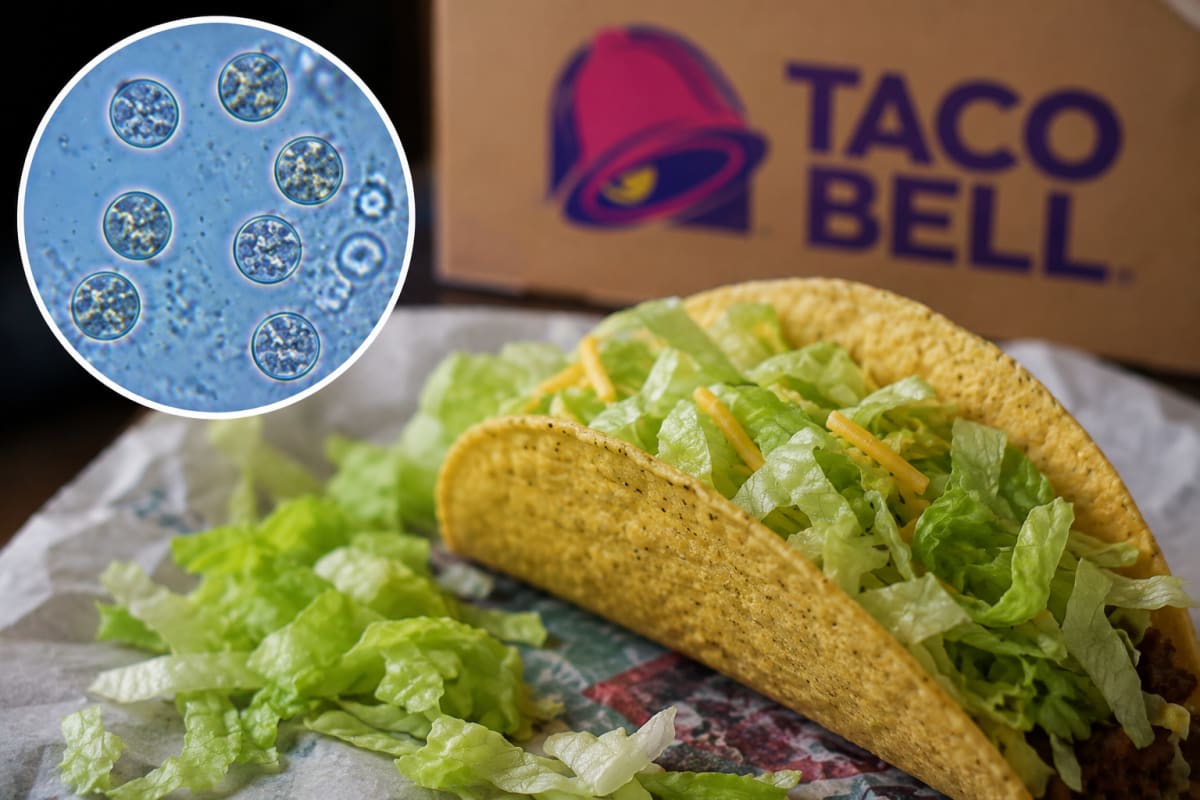
On July 12, the Centers for Disease Control and Prevention (CDC) and the Food and Drug Administration (FDA) announced that lettuce served at Taco Bell locations in Iowa, Minnesota, Missouri, Nebraska, and Wisconsin was the confirmed source of a Cyclospora cayetanensis outbreak. As of the latest update, at least 25 laboratory confirmed cases have been reported, with several individuals requiring hospitalization. The investigation revealed that the contaminated lettuce was distributed to Taco Bell restaurants in these states between late June and early July. While the specific farms in Mexico have not been publicly named, the FDA is working with suppliers to trace the source and prevent further distribution of the affected produce.
Why Does It Matter
Cyclospora is a microscopic parasite that causes cyclosporiasis, an intestinal infection marked by severe, watery diarrhea, loss of appetite, weight loss, stomach cramps, and fatigue. Unlike bacterial foodborne illnesses, Cyclospora infections cannot be transmitted directly from person to person but require time in the environment to become infectious. This makes fresh produce, particularly leafy greens, a common vehicle for outbreaks. The current incident highlights vulnerabilities in the global food supply chain, where contamination can occur at multiple points, from farm irrigation to packaging and distribution. For public health systems, this outbreak serves as a reminder of the need for robust surveillance, rapid testing, and transparent communication to mitigate risks before they escalate into larger crises.
Who Does It Affect
This outbreak primarily impacts individuals who consumed lettuce based menu items at Taco Bell locations in the five affected states during the exposure window. While anyone can contract cyclosporiasis, certain groups face higher risks of severe illness. These include young children, older adults, pregnant individuals, and people with weakened immune systems, such as those undergoing chemotherapy or living with HIV/AIDS. The geographic scope of the outbreak is currently limited to the identified states, but health officials warn that travelers or individuals who consumed takeout from these locations may unknowingly carry the infection to other regions. Additionally, food service workers in affected restaurants may have been exposed, though no cases among staff have been reported to date.
What Should I Do
If you or someone in your household recently ate at a Taco Bell in Iowa, Minnesota, Missouri, Nebraska, or Wisconsin and developed symptoms of cyclosporiasis, seek medical attention promptly. Healthcare providers can diagnose the infection through stool sample testing and prescribe the appropriate antibiotic treatment, typically trimethoprim sulfamethoxazole (TMP SMX). To reduce your risk of infection, follow these steps:
- Check your location: If you visited a Taco Bell in one of the affected states between June 25 and July 10, monitor your health for symptoms over the next two weeks.
- Practice food safety: Wash all fresh produce thoroughly under running water, even if you plan to peel or cook it. While washing may not eliminate all parasites, it can reduce the risk of contamination.
- Stay hydrated: If you experience diarrhea, drink plenty of fluids to prevent dehydration, which can be particularly dangerous for vulnerable populations.
- Report symptoms: Contact your local health department if you suspect you have cyclosporiasis. Reporting helps officials track the outbreak and prevent further spread.
- Avoid raw produce if immunocompromised: Individuals with weakened immune systems should consider avoiding raw leafy greens until the outbreak is fully contained.
What Don't We Know Yet
Several critical questions remain unanswered in this outbreak investigation. Health officials have not yet identified the specific farm or farms in Mexico where the contamination originated, nor have they determined the exact point in the supply chain where the parasite was introduced. The FDA’s traceback efforts are ongoing, and it is unclear whether other restaurants or retailers may have received lettuce from the same contaminated batch. Additionally, the total number of cases may be underreported, as mild infections can go undiagnosed or be mistaken for other gastrointestinal illnesses. The CDC is also monitoring whether the outbreak has spread beyond the five initially affected states, particularly as infected individuals travel. Finally, while Cyclospora is not typically life threatening, the long term health effects of repeated or untreated infections are not well studied, leaving gaps in our understanding of the parasite’s full impact on public health.
Key Takeaways
- Cyclospora is a parasite that causes cyclosporiasis, a diarrheal illness linked to contaminated fresh produce.
- The current outbreak is tied to lettuce served at Taco Bell locations in five U.S. states, sourced from Mexico.
- Symptoms include severe diarrhea, stomach cramps, and fatigue, with higher risks for vulnerable populations.
- Diagnosis requires stool testing, and treatment involves specific antibiotics.
- Preventive measures include washing produce, monitoring symptoms, and reporting suspected cases to health authorities.
Key Takeaways
- Cyclospora is a parasite causing cyclosporiasis, a diarrheal illness linked to contaminated fresh produce like lettuce.
- The outbreak is confined to Taco Bell locations in five U.S. states, with lettuce sourced from Mexico identified as the cause.
- Symptoms include severe diarrhea, stomach cramps, and fatigue, with higher risks for children, older adults, and immunocompromised individuals.
- Diagnosis requires stool testing, and treatment involves antibiotics like trimethoprim sulfamethoxazole (TMP SMX).
- Preventive steps include washing produce, monitoring for symptoms, and reporting suspected cases to local health departments.
Frequently Asked Questions
What is Cyclospora, and how does it spread?
Cyclospora cayetanensis is a single celled parasite that causes cyclosporiasis, an intestinal infection. It spreads when people ingest food or water contaminated with feces containing the parasite. Unlike some other foodborne pathogens, Cyclospora requires time, typically days to weeks, in the environment to become infectious, so it is not transmitted directly from person to person. Fresh produce, particularly leafy greens and berries, is a common source of outbreaks due to contamination during growing, harvesting, or handling.
What are the symptoms of cyclosporiasis, and when do they appear?
Symptoms of cyclosporiasis usually begin about 7 days after ingesting the parasite, though the incubation period can range from 2 to 14 days. Common symptoms include watery diarrhea (often explosive), loss of appetite, weight loss, stomach cramps, bloating, nausea, and fatigue. Some individuals may also experience low grade fever. Symptoms can last for weeks or even months if left untreated, and they may recur in cycles.
How is cyclosporiasis diagnosed and treated?
Cyclosporiasis is diagnosed through laboratory testing of stool samples. Because the parasite is not routinely checked for in standard stool tests, healthcare providers must specifically request testing for Cyclospora. The infection is treated with antibiotics, most commonly trimethoprim sulfamethoxazole (TMP SMX). For individuals allergic to sulfa drugs, alternative treatments may be prescribed, though they may be less effective. Early diagnosis and treatment are important to reduce the duration and severity of symptoms.
Can I get cyclosporiasis from eating at other restaurants or buying produce from the grocery store?
While the current outbreak is linked to lettuce served at Taco Bell in specific states, Cyclospora contamination can occur in any fresh produce, particularly leafy greens and berries. The risk is not limited to a single restaurant or supplier. To minimize your risk, wash all fresh produce thoroughly under running water before eating, even if you plan to peel or cook it. If you are immunocompromised or in a high risk group, consider avoiding raw produce until the outbreak is fully contained.
What should I do if I think I have cyclosporiasis?
If you develop symptoms of cyclosporiasis, such as prolonged watery diarrhea, stomach cramps, or fatigue, contact your healthcare provider. Be sure to mention any recent travel or dining at Taco Bell locations in the affected states. Your provider can order the appropriate stool test to confirm the diagnosis. In the meantime, stay hydrated by drinking plenty of fluids, and avoid preparing food for others to prevent potential contamination. Report your illness to your local health department to assist with outbreak tracking.
Medical Review: MedSense Editorial Board























DISCUSSION (0)
POST A COMMENT