
What Happened
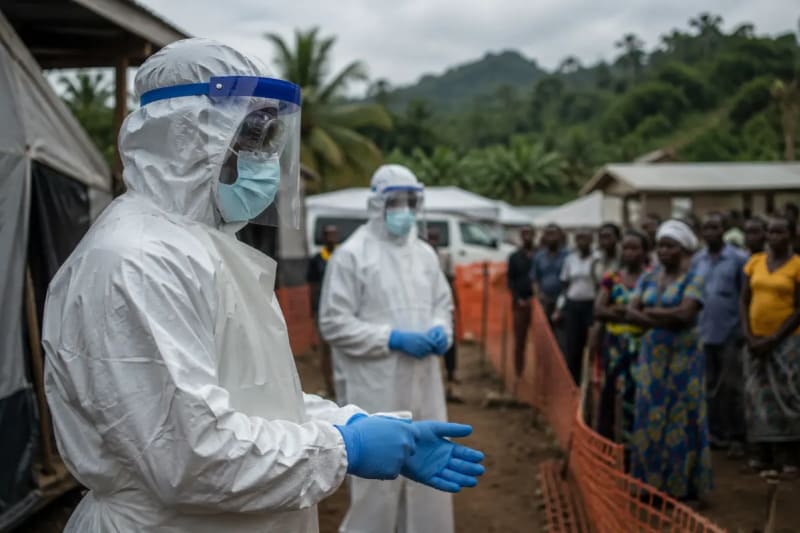
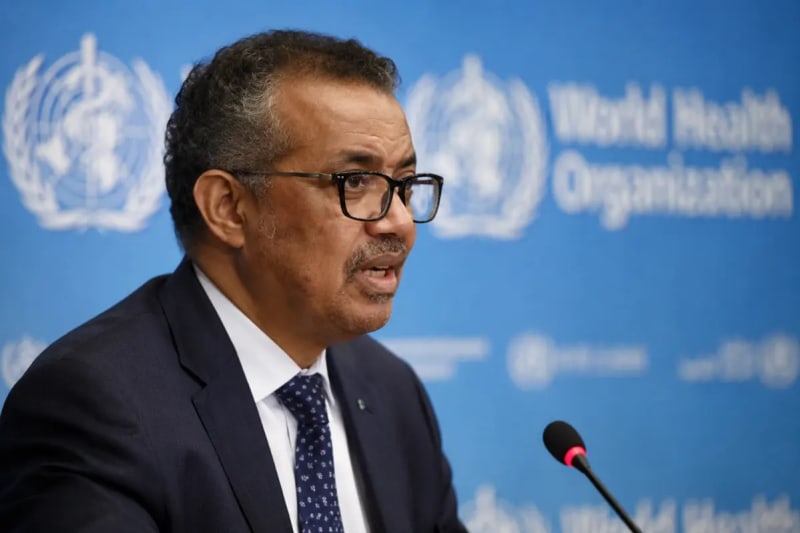
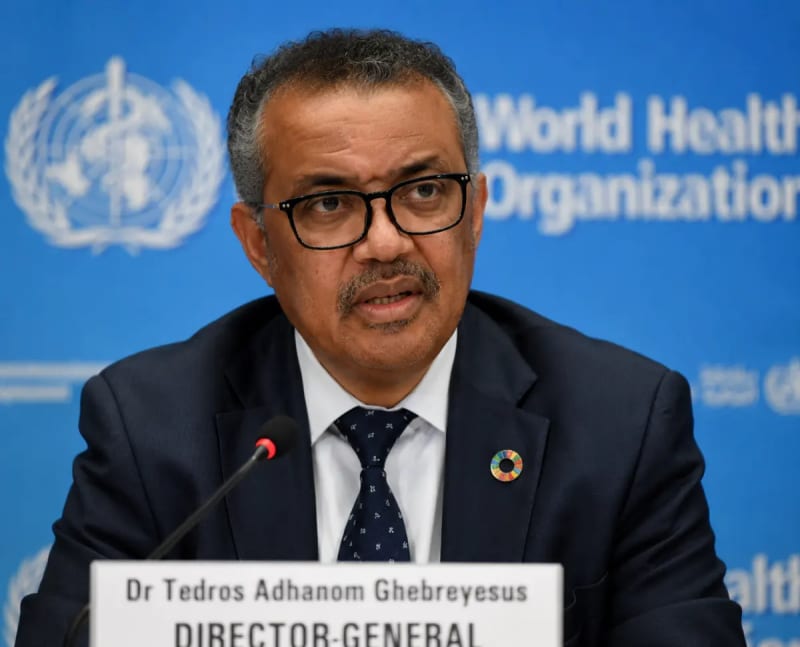
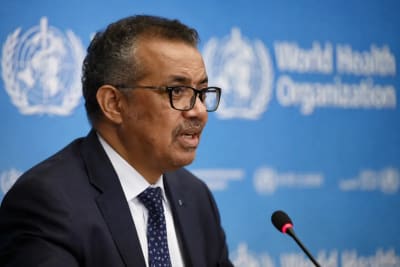
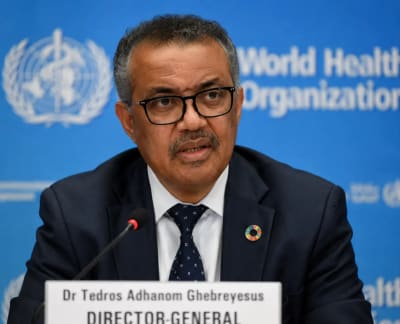
The World Health Organization announced this week that the ongoing Ebola outbreak in the Democratic Republic of Congo is significantly larger than official statistics indicate. While reported cases stand at nearly 2,000 infections and over 700 deaths, the WHO estimates the true toll may be two to four times higher. The outbreak, which began in 2018, has also spread to neighboring Uganda, where 20 cases have been confirmed. The discrepancy between reported and actual cases highlights the difficulties in surveillance and data collection in conflict affected areas, where access to healthcare and accurate reporting remain severely limited.
The WHO’s warning comes amid a funding shortfall that threatens to undermine containment efforts. The agency has repeatedly called for increased international support to bolster response measures, including vaccination campaigns, contact tracing, and community engagement initiatives. Despite these challenges, health workers continue to battle the virus in some of the most logistically and politically complex environments in the world.
Why Does It Matter
Ebola is one of the deadliest viral diseases known to humanity, with a fatality rate that can exceed 50% in untreated cases. The current outbreak is the second largest in history, surpassed only by the 2014 2016 West Africa epidemic that claimed over 11,000 lives. The WHO’s revelation that the true scale of the crisis may be far greater than reported figures raises critical concerns about the effectiveness of containment strategies and the potential for further regional spread.
The outbreak’s expansion into Uganda signals a failure to contain the virus within Congo’s borders, increasing the risk of cross border transmission. This development is particularly alarming given the high mobility of populations in the region and the porous nature of borders. Additionally, the WHO’s funding shortfall could cripple response efforts, leaving vulnerable communities without access to life saving interventions such as vaccines, therapeutic treatments, and protective equipment for healthcare workers.
Beyond the immediate health crisis, the outbreak has broader implications for global health security. The inability to control Ebola in one of the world’s most volatile regions serves as a stark reminder of the vulnerabilities in the global health system. It also underscores the need for sustained investment in healthcare infrastructure, disease surveillance, and emergency preparedness in low resource settings.
Who Does It Affect
The Ebola outbreak primarily affects communities in the northeastern provinces of the Democratic Republic of Congo, particularly North Kivu and Ituri. These regions have been plagued by decades of armed conflict, displacement, and weak healthcare systems, creating an environment where infectious diseases can spread rapidly and unchecked. The affected populations include local residents, internally displaced persons, and frontline healthcare workers who are at heightened risk of exposure.
In Uganda, the 20 confirmed cases have primarily involved individuals who crossed the border from Congo, as well as their close contacts. The Ugandan government has implemented screening measures at border crossings and intensified surveillance in high risk districts, but the risk of further transmission remains significant. Travelers, aid workers, and healthcare personnel in the region are also at increased risk, particularly those who may come into contact with infected individuals or contaminated materials.
Globally, the outbreak poses a risk to international travelers and expatriates in the region, as well as to countries with direct air or land links to Congo and Uganda. While the risk of widespread transmission outside Africa remains low, the potential for isolated cases to appear in other countries cannot be ruled out, particularly if containment efforts fail.
What Should I Do
For individuals living in or traveling to affected regions, the WHO and local health authorities recommend several precautions to reduce the risk of Ebola infection. First, avoid direct contact with blood, bodily fluids, or tissues of infected individuals, including the bodies of deceased persons. Ebola is not airborne but can spread through direct contact with contaminated surfaces or objects, such as needles or clothing.
If you are in an area with active Ebola transmission, practice rigorous hand hygiene by washing hands frequently with soap and water or using alcohol based hand sanitizers. Avoid handling bushmeat or consuming raw or undercooked animal products, as these can be sources of viral transmission. Healthcare workers and aid personnel should adhere to strict infection control protocols, including the use of personal protective equipment and safe burial practices for those who die from the disease.
Travelers returning from affected regions should monitor their health for 21 days, the maximum incubation period for Ebola. Symptoms to watch for include fever, severe headache, muscle pain, weakness, fatigue, diarrhea, vomiting, abdominal pain, and unexplained bleeding or bruising. If you develop any of these symptoms, seek medical attention immediately and inform healthcare providers of your travel history before arriving at a clinic or hospital.
For those not in affected regions, staying informed through reliable sources such as the WHO, Centers for Disease Control and Prevention, or local public health agencies is the best course of action. Avoid spreading misinformation about the outbreak, as fear and stigma can hinder response efforts and exacerbate the crisis.
What Don't We Know Yet
Despite ongoing efforts to track and contain the outbreak, several critical uncertainties remain. The WHO’s estimate that the true number of cases may be two to four times higher than reported figures is based on modeling and field observations, but the exact scale of underreporting is difficult to quantify. Limited access to conflict zones, community resistance to health interventions, and the movement of infected individuals across porous borders all contribute to gaps in data.
Another key unknown is the long term effectiveness of the Ebola vaccine, which has been deployed in Congo and Uganda as part of the response effort. While the vaccine has shown promise in reducing transmission, its impact in real world settings with high levels of population movement and logistical challenges is still being evaluated. Additionally, the durability of immunity conferred by the vaccine remains unclear, raising questions about the need for booster doses or alternative vaccination strategies.
Researchers are also still investigating the genetic evolution of the Ebola virus in this outbreak. While the strain responsible for the current crisis is known to be the Zaire ebolavirus, the most lethal of the Ebola species, it is unclear whether mutations could alter its transmissibility or virulence. Ongoing genomic surveillance is critical to understanding these risks and adapting response measures accordingly.
Finally, the sustainability of the international response remains in question. The WHO’s funding shortfall has already forced the agency to scale back some activities, and further cuts could jeopardize vaccination campaigns, contact tracing, and community engagement efforts. Without sustained financial and logistical support, the risk of the outbreak spiraling out of control will only grow.
Key Takeaways
- The Ebola outbreak in the Democratic Republic of Congo and Uganda may be two to four times larger than official figures, with nearly 2,000 reported cases and over 700 deaths to date.
- The crisis is exacerbated by conflict, weak healthcare infrastructure, and community mistrust, complicating containment efforts and increasing the risk of regional spread.
- Individuals in affected regions should avoid contact with bodily fluids, practice rigorous hand hygiene, and monitor for symptoms for 21 days after potential exposure.
- The WHO’s funding shortfall threatens to undermine response efforts, highlighting the need for sustained international support to control the outbreak.
Frequently Asked Questions
What is Ebola, and how does it spread?
Ebola is a severe, often fatal viral disease that spreads through direct contact with the blood, bodily fluids, or tissues of infected people or animals. It can also spread through contact with contaminated surfaces or objects. The virus is not airborne but is highly contagious in close contact settings, such as households or healthcare facilities.
Why is the Ebola outbreak in Congo and Uganda so difficult to control?
The outbreak is occurring in a region plagued by armed conflict, displacement, and weak healthcare infrastructure. These factors limit access to affected communities, hinder accurate data collection, and create an environment where the virus can spread unchecked. Additionally, community mistrust of health workers and misinformation about the disease further complicate containment efforts.
What are the symptoms of Ebola?
Symptoms of Ebola typically appear 2 to 21 days after exposure and include fever, severe headache, muscle pain, weakness, fatigue, diarrhea, vomiting, abdominal pain, and unexplained bleeding or bruising. Early symptoms can resemble those of other illnesses, such as malaria or typhoid, making diagnosis challenging.
Is there a vaccine for Ebola?
Yes, an Ebola vaccine has been deployed in Congo and Uganda as part of the response effort. The vaccine, known as rVSV ZEBOV, has shown effectiveness in reducing transmission, but its long term durability and real world impact in complex settings are still being studied.
What should I do if I think I’ve been exposed to Ebola?
If you suspect you’ve been exposed to Ebola, monitor your health for 21 days and seek medical attention immediately if you develop symptoms. Inform healthcare providers of your exposure history before arriving at a clinic or hospital to ensure appropriate infection control measures are taken.
Medical Review: MedSense Editorial Board










DISCUSSION (0)
POST A COMMENT