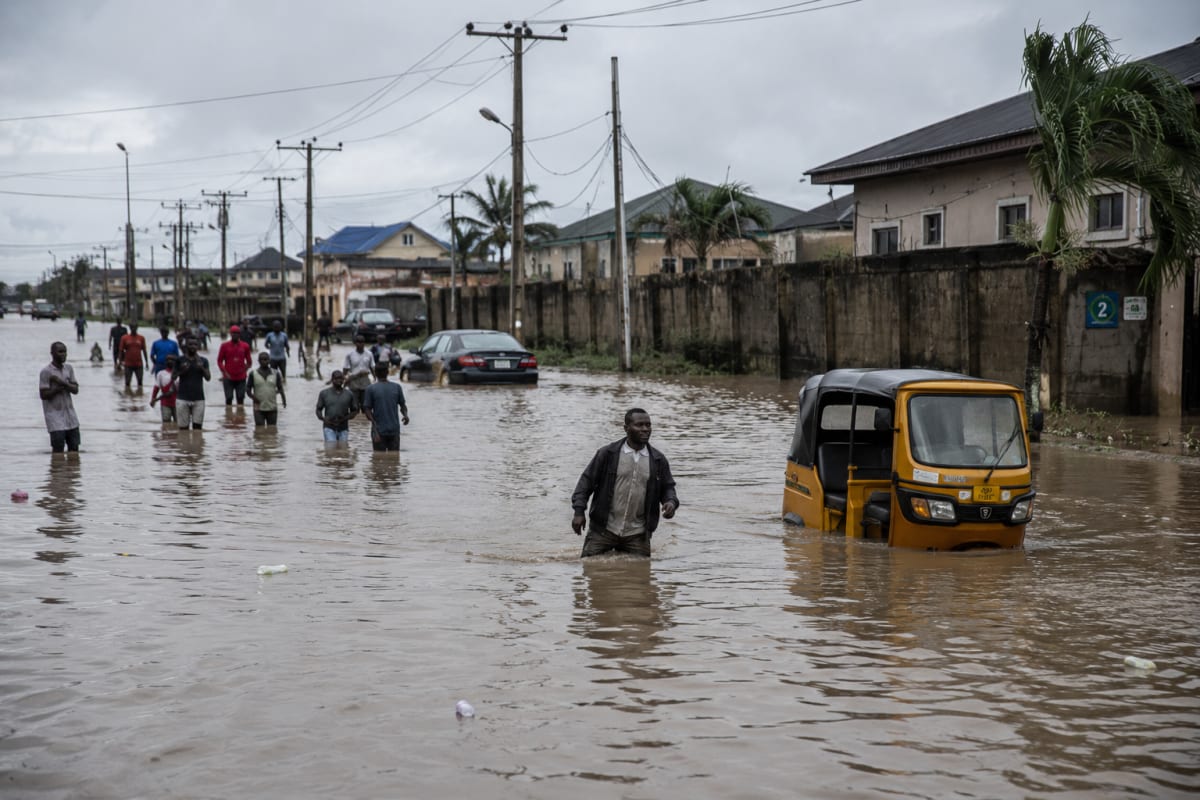
What Happened
The Nigeria Hydrological Services Agency NIHSA issued a flood advisory on Wednesday, identifying 14 states at medium risk of flooding between July 14 and July 20. The warning stems from the agency’s latest hydrological forecast, which projects localized flooding along major rivers and tributaries. NIHSA Director General Umar Mohammed confirmed the advisory, noting that the forecast accounts for recent rainfall patterns, river flow data, and soil saturation levels. While the agency has not released the full list of affected states, similar advisories in past years have typically included regions in the Niger Delta, North Central, and South South zones.
The timing of the warning aligns with Nigeria’s annual rainy season, which historically peaks between July and September. However, climate variability has led to earlier and more intense flooding in recent years, prompting agencies like NIHSA to issue advisories with shorter lead times. The current alert does not indicate catastrophic flooding but signals a heightened risk of property damage, displacement, and public health threats in vulnerable areas.
Why Does It Matter
Floods are among the most common natural disasters in Nigeria, but their health consequences often receive less attention than immediate physical damage. Rising water levels can contaminate drinking water sources, increasing the risk of cholera, typhoid, and diarrheal diseases, conditions that already account for a significant burden of illness in the country. The World Health Organization reports that flood related outbreaks can overwhelm local health systems, particularly in rural areas where sanitation infrastructure is limited.
Beyond waterborne illnesses, floods disrupt access to healthcare. Roads become impassable, clinics may close, and supply chains for medications, including those for chronic conditions like diabetes or hypertension, can break down. For communities already facing health disparities, these disruptions can have long term effects. Additionally, stagnant floodwater creates breeding grounds for mosquitoes, elevating the risk of malaria and dengue fever in regions where these diseases are endemic.
From a policy perspective, the NIHSA advisory underscores the need for proactive disaster preparedness. Nigeria’s National Emergency Management Agency NEMA and state level counterparts often respond to floods reactively, but early warnings like this provide an opportunity to mitigate risks before they escalate. The advisory also highlights the intersection of climate change and public health, as shifting weather patterns demand more adaptive strategies from both government agencies and local communities.
Who Does It Affect
The NIHSA advisory targets 14 states, though the agency has not yet published the full list. Based on historical patterns, the most frequently affected regions include:
- Niger Delta States: Rivers State, Bayelsa, Delta, and Akwa Ibom, where low lying terrain and dense river networks make flooding a recurring issue.
- North Central States: Kogi, Benue, and Niger, which sit along the Niger and Benue rivers and are prone to overflow during heavy rains.
- South South States: Cross River and Edo, where urbanization and deforestation have reduced natural water absorption.
- South East States: Anambra and Imo, where riverine communities face annual flooding.
Within these states, the most vulnerable populations include:
- Rural communities: Often lack early warning systems and rely on informal water sources that become contaminated during floods.
- Urban slums: Poor drainage systems and high population density increase exposure to waterborne diseases.
- Children and the elderly: More susceptible to flood related illnesses and less able to evacuate quickly.
- People with chronic illnesses: Depend on consistent access to medications and healthcare services that may be disrupted.
Flooding also disproportionately affects women, who often bear the responsibility of securing water, food, and healthcare for households during crises. Displacement can further exacerbate gender based vulnerabilities, including increased risks of violence and limited access to reproductive health services.
What Should I Do
If you live in or near one of the 14 states identified in the NIHSA advisory, taking proactive steps can reduce health risks and property damage. Here’s what experts recommend:
- Stay informed: Monitor updates from NIHSA, NEMA, and local meteorological agencies. Sign up for alerts via SMS or community radio, which remains a critical source of information in rural areas.
- Prepare an emergency kit: Include at least three days’ supply of clean water (one gallon per person per day), non perishable food, essential medications, a first aid kit, and water purification tablets. Add mosquito nets and insect repellent to reduce malaria risk.
- Secure your home: Clear gutters and drains to prevent blockages. Move valuables and important documents to higher ground. If you live in a flood prone area, consider elevating electrical outlets and appliances.
- Plan for evacuation: Identify safe routes to higher ground and designate a meeting point for family members. If you have elderly relatives or neighbors with disabilities, arrange assistance in advance.
- Protect your health: Avoid contact with floodwater, which may be contaminated with sewage, chemicals, or debris. If you must wade through water, wear rubber boots and wash thoroughly with soap afterward. Boil or treat drinking water to prevent waterborne illnesses.
- Support vulnerable neighbors: Check on elderly residents, pregnant women, and families with young children. Share information about evacuation routes and emergency shelters.
- After the flood: Do not return home until authorities confirm it is safe. Be cautious of structural damage, electrical hazards, and contaminated water. Disinfect surfaces and discard any food or water that may have come into contact with floodwater.
What Don't We Know Yet
While the NIHSA advisory provides a critical early warning, several key details remain unclear. The agency has not yet released the full list of the 14 states at risk, leaving some communities uncertain about their status. Additionally, the advisory does not specify which river basins are most vulnerable, making it difficult for local authorities to prioritize resources.
The forecast also does not account for potential changes in weather patterns between now and July 20. Unpredictable factors, such as sudden heavy rainfall or upstream dam releases, could alter the severity of flooding. NIHSA has not indicated whether this advisory is part of a broader seasonal forecast or an isolated event, leaving questions about long term risks.
From a public health perspective, there is limited data on how local health systems are preparing for potential outbreaks. While agencies like the Nigeria Centre for Disease Control NCDC typically coordinate response efforts, it is unclear whether they have activated surveillance systems in the 14 states. Without real time monitoring, delays in detecting and containing waterborne diseases could exacerbate the health impact of the floods.
Finally, the advisory does not address the role of climate change in shaping Nigeria’s flood risks. While the immediate focus is on preparedness, long term strategies, such as improved drainage infrastructure, early warning systems, and climate resilient housing, remain critical but underdiscussed in the current alert.
Key Takeaways
- Nigeria’s NIHSA has warned 14 states of medium flood risk between July 14 and 20, with potential health threats including waterborne diseases and disrupted healthcare access.
- Floods disproportionately affect rural communities, urban slums, children, the elderly, and people with chronic illnesses, who face higher risks of illness and displacement.
- Residents in at risk areas should prepare emergency kits, secure their homes, plan evacuation routes, and avoid contact with floodwater to reduce health risks.
- Uncertainties remain about the full list of affected states, the severity of flooding, and the readiness of local health systems to respond to potential outbreaks.
Frequently Asked Questions
Which 14 states are at risk of flooding?
The Nigeria Hydrological Services Agency NIHSA has not yet released the full list of the 14 states. Based on historical patterns, states in the Niger Delta, North Central, and South South regions are frequently affected. Residents should monitor updates from NIHSA, NEMA, and local authorities for specific information.
What are the biggest health risks during floods?
Floods increase the risk of waterborne diseases like cholera and typhoid due to contaminated water sources. Stagnant water also creates breeding grounds for mosquitoes, raising the risk of malaria. Additionally, floods can disrupt access to healthcare, leaving people with chronic conditions without essential medications.
How can I protect my family if flooding occurs?
Prepare an emergency kit with clean water, food, medications, and first aid supplies. Secure your home by clearing drains and moving valuables to higher ground. Plan evacuation routes and avoid contact with floodwater, which may be contaminated. After the flood, wait for authorities to confirm it is safe to return home.
What should I do if I come into contact with floodwater?
Avoid contact with floodwater whenever possible, as it may contain sewage, chemicals, or debris. If you must wade through water, wear rubber boots and wash thoroughly with soap and clean water afterward. Seek medical attention if you develop symptoms like diarrhea, fever, or skin infections.
How can communities prepare for future floods?
Communities can reduce flood risks by improving drainage systems, preserving natural water absorption areas like wetlands, and implementing early warning systems. Local authorities should also develop evacuation plans and ensure health facilities are equipped to handle flood related illnesses.
Medical Review: MedSense Editorial Board
























DISCUSSION (0)
POST A COMMENT