
What Happened
The Nigerian government has allocated 80 billion naira (about 50 million US dollars) to support flood control and mitigation efforts across the country. The funding, approved by President Bola Tinubu, will be disbursed to relevant federal agencies responsible for disaster management, infrastructure repair, and public health response. The North East Stakeholders Forum for Sustainable Development publicly commended the move, calling it a timely intervention to address the escalating risks of flooding in vulnerable regions. This financial commitment follows years of recurring flood disasters that have displaced millions, destroyed homes, and triggered outbreaks of cholera, malaria, and other waterborne illnesses.
Why Does It Matter
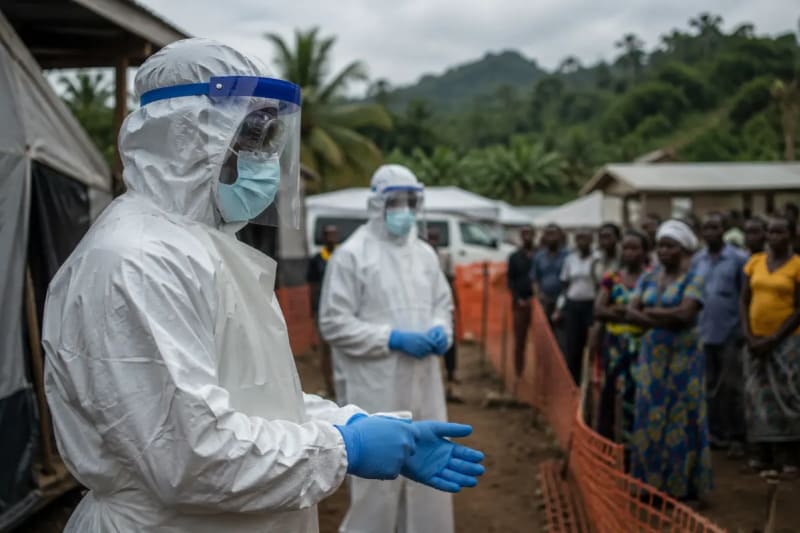
Flooding is not merely an environmental issue in Nigeria, it is a public health emergency. Each year, seasonal floods disrupt healthcare services, contaminate water supplies, and create breeding grounds for disease vectors. The World Health Organization estimates that flood related health risks disproportionately affect low income communities, where sanitation infrastructure is often inadequate and healthcare access is limited. By allocating dedicated funds for flood control, the government is taking a proactive step to reduce preventable suffering. However, the effectiveness of this intervention will hinge on how the funds are deployed. Past flood responses have been criticized for delays, mismanagement, and lack of coordination between federal, state, and local authorities. If executed well, this funding could serve as a model for integrating disaster preparedness with public health planning, particularly in regions where climate change is amplifying existing vulnerabilities.
Who Does It Affect
This intervention primarily targets communities in Nigeria’s flood prone regions, with a particular focus on the North East, where conflict and environmental degradation have compounded the impact of natural disasters. The most affected groups include:
- Rural and peri urban populations with limited access to healthcare and sanitation facilities.
- Internally displaced persons (IDPs) living in camps or informal settlements, where overcrowding and poor hygiene increase disease transmission risks.
- Children and the elderly, who are more susceptible to waterborne illnesses and malnutrition following flood related crop losses.
- Women and girls, who often bear the burden of water collection and caregiving during crises, exposing them to additional health and safety risks.
- Farmers and small scale traders, whose livelihoods are disrupted by flood damage, leading to food insecurity and economic instability.
While the North East is a priority, other regions, including the Niger Delta, North Central, and parts of the South West, also face recurring flood risks and stand to benefit from improved disaster response infrastructure.
What Should I Do
For individuals and communities in flood prone areas, this intervention underscores the importance of preparedness and vigilance. Here’s how you can protect yourself and your family:
- Stay informed: Monitor weather alerts from the Nigerian Meteorological Agency (NiMet) and the National Emergency Management Agency (NEMA). Early warnings can provide critical time to evacuate or secure property.
- Prepare an emergency kit: Include clean water, non perishable food, essential medications, first aid supplies, and important documents in a waterproof container. This is especially crucial for households with young children, elderly members, or individuals with chronic illnesses.
- Practice safe water and food handling: Floodwaters can contaminate drinking sources and food supplies. Boil water before drinking, avoid raw foods, and ensure proper handwashing with soap to prevent diarrheal diseases.
- Protect against disease vectors: Use mosquito nets and insect repellent to reduce the risk of malaria and dengue fever, which spike after flooding. Clear stagnant water around homes to eliminate breeding sites for mosquitoes.
- Engage with local authorities: Participate in community disaster preparedness programs and report damaged infrastructure, such as broken drainage systems or collapsed bridges, to local government offices. Advocacy at the grassroots level can help ensure that flood control measures are inclusive and effective.
- Plan for displacement: Identify safe evacuation routes and temporary shelters in advance. If flooding forces you to leave your home, prioritize safety over property and follow guidance from emergency responders.
What Don't We Know Yet
While the allocation of funds is a positive development, several critical questions remain unanswered:
- Implementation timeline: There is no clear public roadmap for how and when the 80 billion naira will be disbursed or which specific projects will be prioritized. Delays in execution could undermine the intervention’s effectiveness, particularly as the rainy season progresses.
- Transparency and accountability: Past flood response efforts in Nigeria have been marred by allegations of corruption and mismanagement. Without robust oversight mechanisms, there is a risk that funds may not reach the intended beneficiaries or projects.
- Long term resilience planning: The current funding addresses immediate flood control measures, but it is unclear whether it includes provisions for long term infrastructure improvements, such as drainage systems, flood barriers, or climate adaptive housing. Sustainable solutions require ongoing investment beyond a single fiscal allocation.
- Coordination between agencies: Effective flood response depends on seamless collaboration between federal, state, and local authorities, as well as non governmental organizations. There is limited public information on how these stakeholders will align their efforts to maximize impact.
- Impact on healthcare systems: Floods often overwhelm hospitals and clinics, leading to service disruptions. It is not yet known whether the intervention includes provisions to strengthen healthcare infrastructure in flood prone areas or stockpile essential medicines and supplies.
As the situation develops, further reporting and independent audits will be essential to assess whether this funding delivers on its promise to protect lives and livelihoods.
Key Takeaways
- Nigeria has allocated 80 billion naira ($50 million USD) to flood control and disaster response, targeting regions like the North East where flooding poses severe public health risks.
- Flooding in Nigeria exacerbates waterborne diseases, displacement, and food insecurity, disproportionately affecting rural communities, children, and internally displaced persons.
- Individuals in flood prone areas should stay informed, prepare emergency kits, practice safe water handling, and engage with local disaster preparedness programs.
- The success of the intervention depends on transparent execution, long term planning, and coordination between government agencies and communities.
- Key uncertainties include the implementation timeline, accountability measures, and whether the funding will address both immediate and long term resilience needs.
Frequently Asked Questions
How will the 80 billion naira be used to prevent flooding?
The funds are expected to support a range of flood control measures, including the repair and construction of drainage systems, early warning systems, emergency response infrastructure, and public health interventions. Specific projects will likely be determined by federal agencies such as the National Emergency Management Agency (NEMA) and the Ministry of Humanitarian Affairs, Disaster Management, and Social Development. However, the exact allocation of funds has not been publicly detailed.
Which regions in Nigeria are most at risk from flooding?
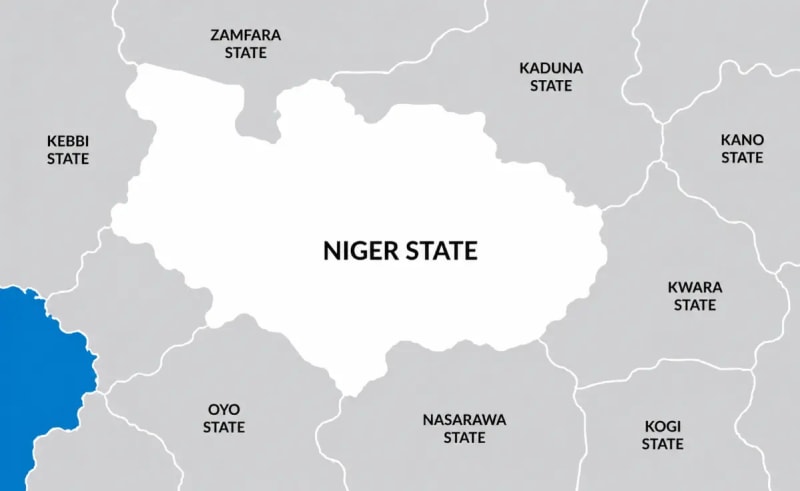
While flooding can occur nationwide, the North East, North Central, Niger Delta, and parts of the South West are particularly vulnerable due to factors such as poor drainage infrastructure, deforestation, and climate change. The North East faces additional challenges due to conflict and displacement, which have weakened local resilience.
What are the biggest health risks associated with flooding in Nigeria?
Flooding increases the risk of waterborne diseases such as cholera, typhoid, and diarrhea, as well as vector borne illnesses like malaria and dengue fever. Displacement and overcrowding in temporary shelters can also lead to respiratory infections and malnutrition. Additionally, floods often disrupt access to healthcare services, exacerbating chronic conditions and delaying treatment for acute illnesses.
How can communities prepare for flooding?
Communities can take several steps to prepare, including monitoring weather alerts, creating emergency kits with essential supplies, identifying safe evacuation routes, and participating in local disaster preparedness programs. It is also important to report damaged infrastructure to authorities and advocate for improved drainage and flood barriers in high risk areas.
What role do state and local governments play in flood response?
State and local governments are responsible for implementing flood control measures, coordinating evacuations, and providing emergency relief. They also play a critical role in maintaining infrastructure, such as drainage systems and roads, which can mitigate flood damage. Effective flood response requires collaboration between federal, state, and local authorities, as well as engagement with community leaders and non governmental organizations.
Medical Review: MedSense Editorial Board











DISCUSSION (0)
POST A COMMENT