What Happened
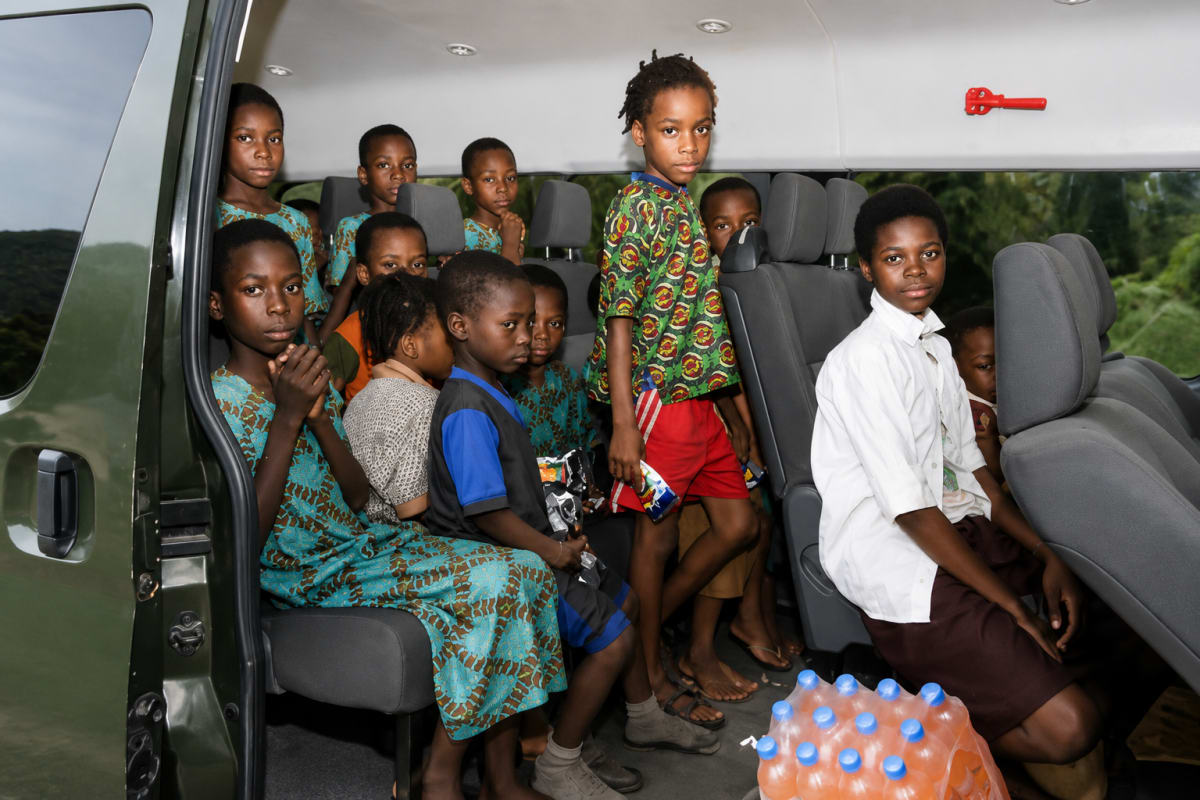
The rescue of 32 schoolchildren and their teachers from kidnappers in Oyo State concluded a tense 56 day ordeal that began when armed men stormed their school in Oriire Local Government Area. The victims, held in dense forest terrain, were freed following coordinated security operations and subsequently taken to Ladoke Akintola University Teaching Hospital for medical evaluation. While initial assessments confirmed no life threatening physical injuries, health professionals emphasized the need for long term monitoring of both visible and invisible wounds. The reunion at the hospital, marked by tears and prayers, offered a moment of relief, but it also signaled the start of a complex recovery process for the children and their families.
Why Does It Matter
Child abduction is not merely a criminal or security issue, it is a public health crisis with lasting consequences. Research shows that children exposed to prolonged trauma, such as captivity, are at significantly higher risk of developing anxiety disorders, depression, post traumatic stress disorder (PTSD), and attachment difficulties. These effects can disrupt schooling, social relationships, and emotional regulation, sometimes persisting into adulthood. Beyond the individual, such incidents strain community trust in safety systems, affect parental mental health, and place additional burdens on healthcare and social services. The Oyo case serves as a critical reminder that rescue is only the first step. Without sustained psychosocial support, the long term health and developmental outcomes for these children may remain at risk.
Who Does It Affect
The immediate impact is felt most acutely by the 32 rescued children, aged between 6 and 15, and their families. However, the ripple effects extend far wider. Teachers who were abducted alongside the students may experience similar trauma, potentially affecting their ability to return to the classroom. Classmates who were not abducted but witnessed the event or lived in fear may also develop secondary trauma. The broader community in Oriire and surrounding areas faces heightened anxiety about school safety, which can lead to reduced school attendance and increased dropout rates. Additionally, healthcare workers, particularly those in pediatric and mental health units, are now tasked with managing a surge in demand for trauma informed care. The incident also places pressure on local and state authorities to strengthen child protection policies and crisis response protocols.
What Should I Do
If you or someone you know is supporting a child recovering from abduction or trauma, consider these evidence based steps:
- Prioritize safety and stability: Create a predictable, calm environment. Routine helps children regain a sense of control and security.
- Listen without pressure: Allow the child to share their experience at their own pace. Avoid probing questions. Instead, say, “I’m here if you want to talk.”
- Seek professional support: Consult a child psychologist or trauma specialist. Early intervention with therapies like Trauma Focused Cognitive Behavioral Therapy (TF CBT) can significantly improve outcomes.
- Watch for warning signs: Be alert to changes in sleep, appetite, mood swings, withdrawal, or regressive behaviors. These may indicate underlying distress.
- Support the family: Parents and siblings may also experience stress. Encourage them to access counseling and community support groups.
- Advocate for systemic change: Support policies that improve school security, mental health access, and child protection services in vulnerable communities.
For communities, organizing peer support networks and trauma informed workshops can help normalize recovery and reduce stigma around seeking help.
What Don't We Know Yet
While the immediate rescue has been confirmed, several critical questions remain unanswered. There is limited public information about the children’s ongoing medical and psychological evaluations. It is unclear whether all rescued individuals have received individualized care plans or if follow up services are being coordinated with schools and social workers. Additionally, the long term impact on academic performance, social integration, and family dynamics will only become apparent over months or years. Research gaps also exist around culturally appropriate trauma interventions for children in West African contexts, where mental health resources are often limited. Finally, the effectiveness of current child protection policies in preventing future abductions remains uncertain, particularly in rural and underserved regions.
Health authorities and researchers are urged to monitor these children over time to better understand the full spectrum of recovery and inform future public health responses.
Key Takeaways
- Child abduction leaves deep psychological scars, including PTSD, anxiety, and attachment disorders, which can persist into adulthood without intervention.
- Rescue is only the first step, sustained psychosocial support, professional counseling, and stable environments are critical for long term recovery.
- Communities and families play a vital role in supporting affected children through active listening, routine, and access to trauma informed care.
- There is an urgent need for stronger child protection policies, school safety measures, and mental health infrastructure in vulnerable regions.
Frequently Asked Questions
How long does it take for a child to recover from abduction?
Recovery is highly individual and depends on factors like the duration of captivity, the child’s age, prior trauma, and access to support. Some children show improvement within months with therapy, while others may experience symptoms for years. Early intervention significantly improves outcomes.
What are the signs that a child is struggling after a traumatic event?
Common signs include changes in sleep or appetite, withdrawal from friends or activities, frequent nightmares, irritability, difficulty concentrating, regressive behaviors (like bedwetting), or sudden fear of separation. If these persist beyond a few weeks, professional help should be sought.
Can children fully recover from trauma like abduction?
Yes, many children do recover fully, especially with appropriate support. Resilience is influenced by factors such as strong family bonds, access to mental health care, and a safe, stable environment. However, some may continue to experience mild symptoms that require ongoing management.
How can schools help children after a traumatic event?
Schools can create safe spaces for expression, train staff in trauma informed practices, maintain routines, and connect families with counseling services. Peer support programs and art or play therapy can also help children process their experiences.
What role do parents play in their child’s recovery?
Parents are crucial in providing emotional security. They should offer patience, consistency, and reassurance without pressuring the child to talk. Modeling healthy coping strategies and seeking their own support when needed also helps the child feel safe.
Medical Review: MedSense Editorial Board






















DISCUSSION (0)
POST A COMMENT