What Happened
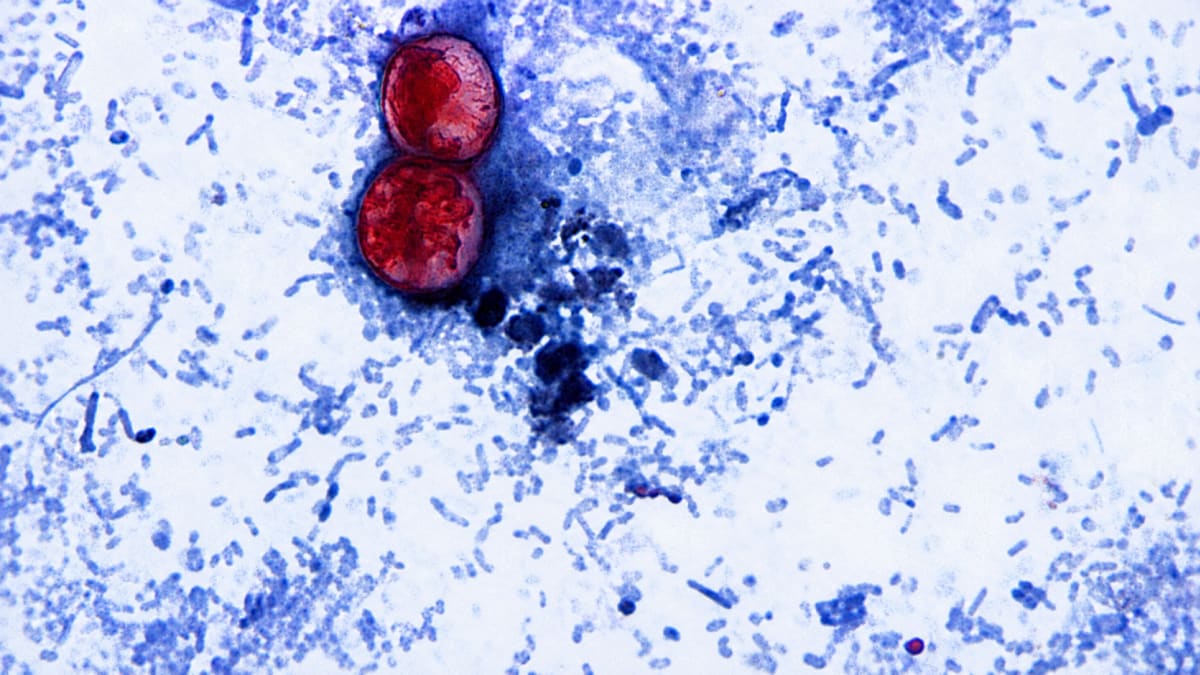
Since early summer, the Centers for Disease Control and Prevention (CDC) has been tracking a cyclospora outbreak that has affected at least 15 states, with over 200 reported cases and dozens of hospitalizations. Cyclospora, a microscopic parasite, causes a gastrointestinal illness known as cyclosporiasis, characterized by severe diarrhea, dehydration, and flu like symptoms. Despite weeks of investigation, federal and state health officials have not yet identified the specific food source responsible for the outbreak. This is not the first time cyclospora has posed a challenge: similar delays occurred during outbreaks in 2018, 2020, and 2022, where the source was eventually traced to fresh produce like basil, bagged salads, or imported raspberries.
The investigation involves a complex process of interviewing patients, tracing supply chains, and testing food samples. However, the timeline has been prolonged due to several factors, including limited laboratory capacity, understaffed public health departments, and the perishable nature of fresh produce, which makes it difficult to test samples after the fact. The CDC has issued general warnings about consuming fresh produce but has stopped short of naming specific products or brands, leaving consumers without clear guidance.
Why Does It Matter
The inability to quickly identify the source of a foodborne outbreak has significant public health and economic consequences. For consumers, the lack of clarity increases the risk of exposure, particularly for vulnerable populations such as young children, the elderly, and immunocompromised individuals, who are more likely to experience severe complications from cyclosporiasis. The illness can lead to prolonged symptoms, hospitalization, and in rare cases, long term health issues like reactive arthritis.
From a systemic perspective, the delays highlight critical weaknesses in the nation's food safety infrastructure. Foodborne illness surveillance relies on a network of local, state, and federal agencies, but years of budget cuts and underfunding have eroded the capacity to respond swiftly. Advanced tools like whole genome sequencing, which can rapidly link cases to specific food sources, are not uniformly available across all states. Additionally, the fragmented nature of the U.S. food supply chain, with produce often sourced from multiple countries and distributed through complex networks, complicates traceback efforts. The current situation serves as a stark reminder that food safety is not just about reacting to outbreaks but also about investing in the systems that prevent them.
Who Does It Affect
This outbreak primarily affects consumers who have recently purchased or consumed fresh produce, particularly leafy greens, herbs, or berries, which have been linked to previous cyclospora outbreaks. While cases have been reported across 15 states, the geographic distribution is uneven, with higher concentrations in the Midwest and Northeast. The demographics of those affected mirror typical foodborne illness patterns: individuals of all ages, though severe cases are more common in older adults and those with weakened immune systems.
Beyond consumers, the outbreak has ripple effects across the food industry. Farmers, distributors, and retailers may face financial losses if a specific product is eventually implicated, even if the contamination occurred further up the supply chain. Restaurants and food service providers also face heightened scrutiny, as they must navigate uncertainty while ensuring the safety of their customers. Public health departments, already stretched thin by ongoing demands, are diverting resources to manage the outbreak, further straining their ability to address other health priorities.
What Should I Do
While health officials continue their investigation, consumers can take several steps to reduce their risk of cyclosporiasis. First, thoroughly wash all fresh produce under running water before eating, cutting, or cooking, even if you plan to peel it. This helps remove dirt and potential contaminants. For leafy greens, consider soaking them in a bowl of water to loosen debris, then rinsing again. If you are in a high risk group, such as older adults or immunocompromised individuals, you may choose to avoid raw produce that has been linked to previous cyclospora outbreaks, such as bagged salads, fresh herbs, or imported berries, until the source of the current outbreak is identified.
Be aware of the symptoms of cyclosporiasis, which typically appear within one to two weeks of exposure. These include watery diarrhea, loss of appetite, weight loss, stomach cramps, nausea, and fatigue. If you experience these symptoms, seek medical attention, especially if they persist for more than a few days. Healthcare providers can test for cyclospora and prescribe appropriate treatment, such as the antibiotic trimethoprim sulfamethoxazole, which is effective against the parasite. Stay informed by monitoring updates from the CDC or your local health department, as new information may emerge about the outbreak source.
What Don't We Know Yet
Despite ongoing efforts, several key questions remain unanswered. The most pressing is the specific food source of the current outbreak, which investigators are still working to identify. The delay raises concerns about whether the contamination occurred at the farm level, during processing, or at another point in the supply chain. Without this information, it is difficult to implement targeted recalls or preventive measures to stop further spread.
Another area of uncertainty is the true scope of the outbreak. The number of reported cases likely underestimates the actual burden, as many people with mild symptoms may not seek medical care or get tested. Additionally, cyclospora testing is not routine in many clinical settings, which means some cases may go undiagnosed. Public health officials are also investigating whether this outbreak is linked to others reported in Canada or other countries, which could indicate a broader international issue.
Finally, the long term implications for food safety policy remain unclear. While the current situation has drawn attention to the need for stronger surveillance systems, it is not yet known whether this will translate into increased funding or policy changes. Advocates are calling for greater investment in public health infrastructure, including expanded use of whole genome sequencing and improved coordination between federal, state, and local agencies. However, the path forward will depend on political will and resource allocation, which are often slow to materialize.
Key Takeaways
- Public health officials are investigating a multi state cyclospora outbreak but have not yet identified the contaminated food source, leaving consumers uncertain about what to avoid.
- Delays in outbreak investigations are often due to underfunded surveillance systems, limited laboratory capacity, and the complexity of the food supply chain.
- Cyclosporiasis can cause severe gastrointestinal symptoms, particularly in vulnerable populations like older adults and immunocompromised individuals.
- Consumers can reduce their risk by thoroughly washing fresh produce and staying informed about outbreak updates from the CDC or local health departments.
- The current outbreak highlights systemic weaknesses in food safety infrastructure, raising questions about the need for greater investment in public health tools and coordination.
Frequently Asked Questions
What is cyclospora, and how does it spread?
Cyclospora is a microscopic parasite that causes cyclosporiasis, an intestinal illness. It spreads when people consume food or water contaminated with the parasite, typically through fresh produce that has been exposed to contaminated soil or water. Unlike some other foodborne pathogens, cyclospora does not spread directly from person to person.
Why is it taking so long to identify the source of the outbreak?
Identifying the source of a foodborne outbreak is a complex process that involves interviewing patients, tracing supply chains, and testing food samples. Delays can occur due to limited laboratory capacity, understaffed public health departments, and the perishable nature of fresh produce, which makes it difficult to test samples after the fact. Additionally, the U.S. food supply chain is highly fragmented, with produce often sourced from multiple countries and distributed through complex networks.
What are the symptoms of cyclosporiasis, and when should I see a doctor?
Symptoms of cyclosporiasis typically appear within one to two weeks of exposure and include watery diarrhea, loss of appetite, weight loss, stomach cramps, nausea, and fatigue. If you experience these symptoms, especially if they persist for more than a few days, seek medical attention. Healthcare providers can test for cyclospora and prescribe appropriate treatment, such as the antibiotic trimethoprim sulfamethoxazole.
How can I protect myself from cyclospora?
To reduce your risk of cyclosporiasis, thoroughly wash all fresh produce under running water before eating, cutting, or cooking. For leafy greens, consider soaking them in a bowl of water to loosen debris, then rinsing again. If you are in a high risk group, such as older adults or immunocompromised individuals, you may choose to avoid raw produce linked to previous outbreaks, such as bagged salads, fresh herbs, or imported berries, until the source of the current outbreak is identified.
Is there a treatment for cyclosporiasis?
Yes, cyclosporiasis can be treated with antibiotics, specifically trimethoprim sulfamethoxazole. Most people with healthy immune systems recover without treatment, but the illness can be more severe in vulnerable populations. If you suspect you have cyclosporiasis, consult a healthcare provider for testing and appropriate care.
Medical Review: MedSense Editorial Board
























DISCUSSION (0)
POST A COMMENT