
Nigeria stands at a critical juncture in its battle against youth substance abuse, a crisis that threatens not only individual lives but the nation’s social and economic future. With rising rates of drug use among adolescents and young adults, public health experts warn that without urgent intervention, the consequences could reverberate for generations. This year’s World Drug Day, observed on June 26, served as a stark reminder of the collective responsibility required to address the issue. The global theme, "The evidence is clear: invest in prevention," underscores the need for coordinated action across government, healthcare, education, and community sectors to create environments where young Nigerians can thrive free from the grip of addiction. At the heart of Nigeria’s response is a growing recognition that leadership extends beyond titles or authority. True leadership, as public health advocates emphasize, lies in the ability to mobilize resources, foster collaboration, and prioritize the well being of communities. From grassroots organizations to federal agencies, stakeholders are increasingly aligning efforts to tackle the root causes of drug abuse, including poverty, unemployment, peer pressure, and limited access to mental health services. The question now is whether these initiatives can scale quickly enough to outpace the crisis.
What Happened
Nigeria has intensified its efforts to combat youth drug abuse through a series of strategic collaborations and public health initiatives. The country marked World Drug Day on June 26 with a renewed focus on prevention, treatment, and policy reform, aligning with the global theme of investing in evidence based solutions. Key developments include partnerships between federal agencies, such as the National Drug Law Enforcement Agency (NDLEA), and local organizations to expand outreach programs in schools, universities, and high risk communities. These efforts aim to disrupt the supply chain of illicit substances while simultaneously addressing demand through education and rehabilitation.
Recent data from the United Nations Office on Drugs and Crime (UNODC) highlights the urgency of Nigeria’s response. The 2023 World Drug Report revealed that cannabis remains the most commonly used drug among Nigerian youth, followed by opioids, tramadol, and codeine based cough syrups. The report also noted a troubling rise in the non medical use of prescription drugs, particularly among adolescents aged 15 to 19. In response, the Nigerian government has launched targeted campaigns to raise awareness about the dangers of drug misuse, while law enforcement agencies have ramped up operations to dismantle trafficking networks.
Why Does It Matter
The youth drug abuse crisis in Nigeria is not just a public health issue; it is a threat to the nation’s stability and development. Substance abuse among young people is linked to a cascade of societal problems, including rising crime rates, declining educational outcomes, and strained healthcare systems. The economic toll is equally severe, with lost productivity and increased healthcare costs burdening families and the national economy. According to the NDLEA, drug related crimes account for a significant portion of Nigeria’s prison population, further straining limited resources.
Beyond the immediate health risks, drug abuse exacerbates existing vulnerabilities in Nigerian society. Young people struggling with addiction are more likely to drop out of school, engage in risky behaviors, or fall victim to exploitation. The crisis also disproportionately affects marginalized communities, where poverty and lack of opportunity create fertile ground for substance misuse. By addressing drug abuse through a public health lens, Nigeria has an opportunity to break cycles of poverty and inequality while fostering a healthier, more resilient generation.
Who Does It Affect
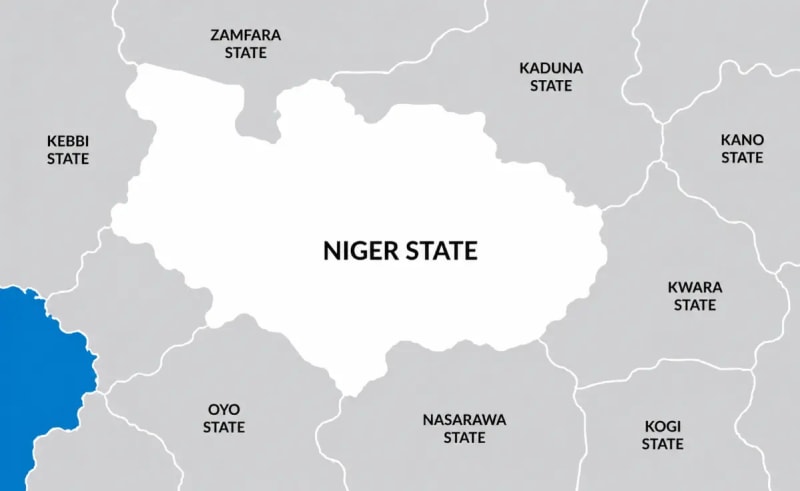
The impact of drug abuse in Nigeria is felt most acutely by adolescents and young adults, particularly those aged 15 to 35. This demographic represents the country’s future workforce, leaders, and parents, making their well being critical to national progress. Urban areas, such as Lagos, Port Harcourt, and Abuja, report higher rates of drug use due to greater access to illicit substances and exposure to peer pressure. However, rural communities are not immune, with increasing reports of tramadol and cannabis misuse in states like Kano, Kaduna, and Rivers.
Vulnerable groups, including out of school youth, street children, and young people in conflict affected regions, face heightened risks. The Northeast, still recovering from years of insurgency, has seen a surge in drug use as displaced populations grapple with trauma and limited access to mental health services. Additionally, young women and girls are increasingly affected, though their struggles often go underreported due to stigma and cultural barriers. Public health experts warn that without targeted interventions, these groups may face long term consequences, including chronic health conditions, unemployment, and social exclusion.
What Should I Do
For parents, educators, and community leaders, the first step in addressing youth drug abuse is fostering open, non judgmental conversations about substance use. Young people are more likely to make informed decisions when they have access to accurate information and feel supported by trusted adults. Schools and religious institutions can play a pivotal role by integrating drug education into their programs and providing safe spaces for students to discuss their concerns.
If you suspect a young person in your life is struggling with drug use, approach the situation with empathy and seek professional help. Nigeria’s healthcare system offers resources through primary health centers, psychiatric hospitals, and non governmental organizations (NGOs) specializing in addiction treatment. The NDLEA provides confidential counseling and rehabilitation services, while organizations like the United Nations Office on Drugs and Crime (UNODC) offer community based support programs. Early intervention can prevent experimentation from escalating into addiction and help young people reclaim their futures.
For policymakers and advocates, the focus should be on scaling evidence based prevention programs and improving access to mental health services. Investing in youth employment initiatives, vocational training, and recreational activities can also reduce the appeal of drug use by providing alternatives and fostering a sense of purpose. Collaboration between government agencies, civil society, and international partners is essential to create a comprehensive, sustainable response to the crisis.
What Don't We Know Yet
Despite progress, significant gaps remain in Nigeria’s understanding of the youth drug abuse crisis. Comprehensive, up to date data on drug use patterns, particularly in rural and conflict affected areas, is limited. Many cases go unreported due to stigma, fear of legal repercussions, or lack of awareness about available resources. This data deficit makes it difficult to tailor interventions to the specific needs of different communities and measure the effectiveness of existing programs.
Another area of uncertainty is the long term impact of Nigeria’s current prevention and treatment strategies. While short term initiatives, such as school based education programs and law enforcement crackdowns, have shown promise, their sustainability and scalability remain unproven. Researchers are also still exploring the most effective ways to address the root causes of drug abuse, such as poverty, trauma, and mental health disorders, in a resource constrained environment. Ongoing studies by the NDLEA, UNODC, and academic institutions aim to fill these knowledge gaps, but results may take years to materialize.
Finally, the role of technology and social media in influencing youth drug use is an emerging concern. Platforms like WhatsApp, Instagram, and TikTok are increasingly used to market and distribute illicit substances, but the extent of their impact and the best ways to counter it are not yet fully understood. As Nigeria’s digital landscape evolves, so too must its strategies for protecting young people from online threats.
Key Takeaways
- Nigeria’s youth drug abuse crisis is a multifaceted public health challenge requiring coordinated action across government, healthcare, and community sectors.
- Strategic collaborations, such as those between the NDLEA and local organizations, are expanding prevention, education, and rehabilitation efforts nationwide.
- Adolescents and young adults, particularly in urban areas and conflict affected regions, are most vulnerable to substance abuse and its long term consequences.
- Parents, educators, and policymakers can play a critical role by fostering open conversations, seeking early intervention, and investing in evidence based prevention programs.
- Data gaps, sustainability concerns, and the influence of technology remain key challenges in Nigeria’s fight against youth drug abuse.
Frequently Asked Questions
What are the most commonly abused drugs among Nigerian youth?
Cannabis is the most widely used drug among Nigerian youth, followed by opioids, tramadol, and codeine based cough syrups. Non medical use of prescription drugs is also a growing concern, particularly among adolescents.
How can parents talk to their children about drug abuse?
Parents should approach the topic with empathy and without judgment. Start by creating a safe space for open conversation, listen actively, and provide factual information about the risks of drug use. Avoid lecturing; instead, encourage questions and share real life examples of how substance abuse can impact lives.
What resources are available for young people struggling with addiction in Nigeria?
The National Drug Law Enforcement Agency (NDLEA) offers confidential counseling and rehabilitation services. Additionally, primary health centers, psychiatric hospitals, and NGOs like the UNODC provide support programs. Many organizations also offer community based outreach and education initiatives.
Why is drug abuse more prevalent in urban areas?
Urban areas often have greater access to illicit substances, higher exposure to peer pressure, and more opportunities for drug trafficking. However, rural communities are also affected, particularly by drugs like tramadol and cannabis, which are easier to obtain in less regulated environments.
What role can schools play in preventing youth drug abuse?
Schools can integrate drug education into their curricula, train teachers to recognize signs of substance abuse, and create peer support groups. They can also collaborate with parents and community organizations to reinforce prevention messages and provide resources for students in need.
Medical Review: MedSense Editorial Board















DISCUSSION (0)
POST A COMMENT