What Happened
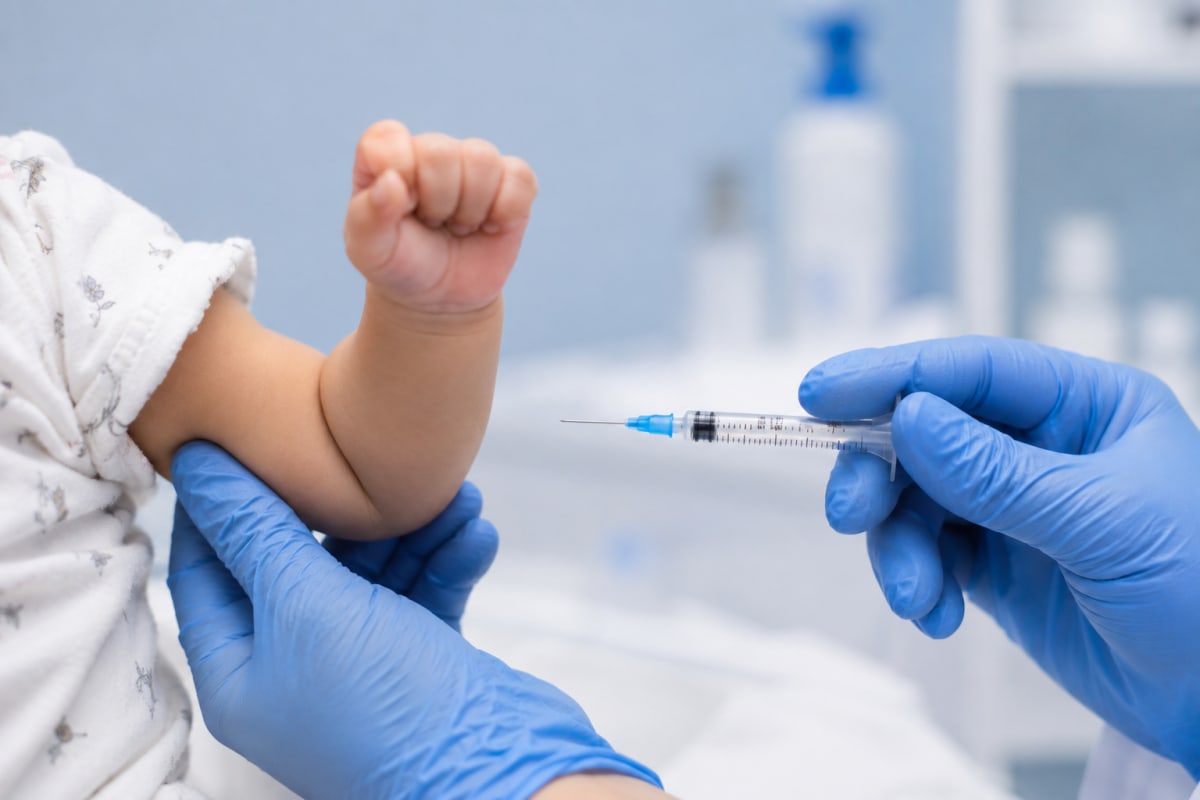
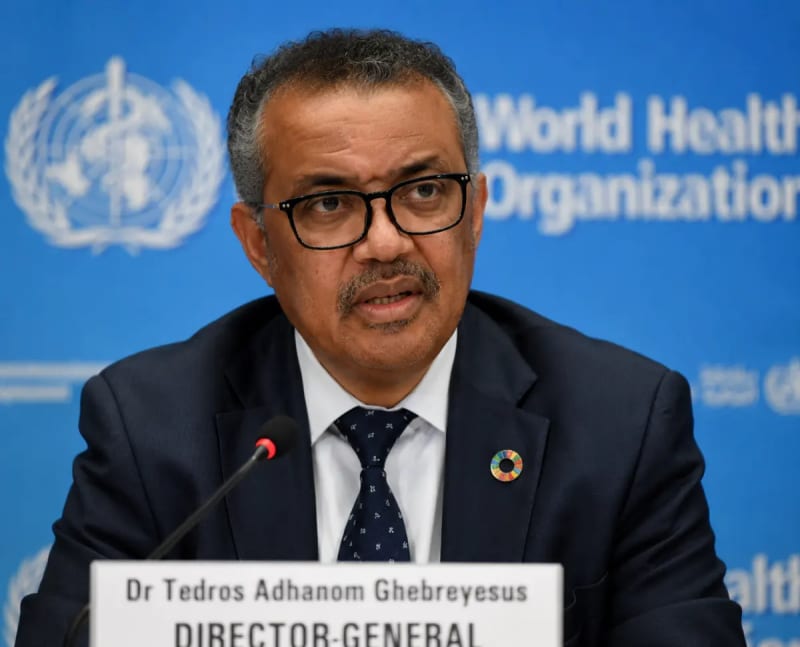
The United Nations has released new data revealing that 13.5 million infants worldwide did not receive any routine vaccinations in 2025, a classification known as "zero dose children." These infants missed critical immunizations such as the diphtheria tetanus pertussis (DTP) vaccine, measles containing vaccines, and polio vaccines during their first 12 months of life. The figure represents a significant increase in immunization gaps compared to pre pandemic levels and reflects a broader trend of declining vaccination coverage that began during the COVID 19 pandemic. The data was compiled through global immunization monitoring systems, including the World Health Organization (WHO) and UNICEF’s joint reporting mechanisms, which track vaccination rates across 195 countries.
Why Does It Matter
The decline in childhood immunization coverage carries profound implications for global public health. Vaccines are one of the most cost effective and successful health interventions in history, responsible for saving an estimated 4 to 5 million lives annually. When immunization rates fall below critical thresholds, typically 90 to 95% for diseases like measles, herd immunity erodes, creating conditions for outbreaks of vaccine preventable diseases. The resurgence of measles in multiple regions, including parts of Europe, Africa, and Asia, has already been linked to declining vaccination rates. Beyond immediate health risks, the immunization gap exacerbates health inequities, disproportionately affecting the world’s poorest and most marginalized communities. The economic and social consequences are equally severe, with outbreaks straining healthcare systems, disrupting education, and deepening cycles of poverty in affected regions.
Who Does It Affect
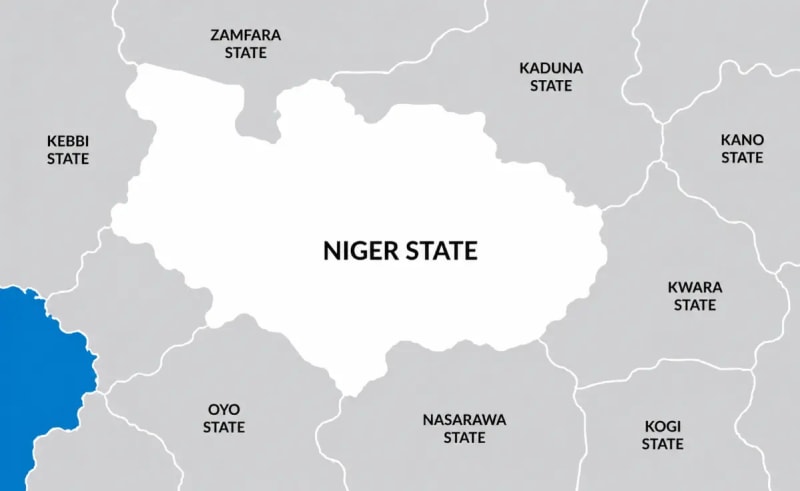
The 13.5 million zero dose children are not evenly distributed across the globe. The majority reside in low and middle income countries, particularly in conflict affected regions, urban slums, and remote rural areas where healthcare infrastructure is weak or inaccessible. Sub Saharan Africa and South Asia account for the highest concentrations of zero dose children, with countries like Nigeria, India, Pakistan, and the Democratic Republic of the Congo reporting the largest numbers. However, the issue is not confined to developing nations. High income countries, including the United States and several European nations, have also seen declines in vaccination coverage, driven by vaccine hesitancy, misinformation, and disruptions in healthcare services. Within these populations, children from minority groups, refugee communities, and economically disadvantaged families are at the greatest risk of missing vaccinations. The data also highlights a gender disparity, with girls in some regions less likely to receive immunizations than boys due to cultural and logistical barriers.
What Should I Do
While the scale of the problem may seem overwhelming, individuals and communities can take meaningful steps to address immunization gaps. Parents and caregivers should prioritize routine vaccination schedules for their children, ensuring they receive all recommended doses of vaccines such as DTP, measles, polio, and pneumococcal conjugate vaccines. If you are unsure about your child’s vaccination status, consult a healthcare provider or check immunization records. For those living in areas with limited access to healthcare, community health workers and local clinics can often provide vaccinations free of charge. Advocacy also plays a critical role. Support organizations working to improve immunization coverage, such as UNICEF, Gavi the Vaccine Alliance, and the World Health Organization. These groups rely on funding and public awareness to expand vaccination programs in underserved regions. Additionally, combating vaccine misinformation by sharing accurate, science based information within your community can help counter hesitancy and build trust in vaccines.
What Don't We Know Yet
While the data on zero dose children is alarming, several critical questions remain unanswered. The full impact of the 2025 immunization gaps will not be fully understood for years, as outbreaks of vaccine preventable diseases often take time to manifest. Researchers are still analyzing the long term effects of pandemic related disruptions on healthcare systems, including whether temporary declines in vaccination coverage will lead to permanent shifts in health seeking behaviors. Another area of uncertainty is the effectiveness of current strategies to reach zero dose children. While organizations like Gavi and UNICEF have implemented targeted programs to improve access in hard to reach communities, the success of these initiatives varies widely by region. Additionally, the role of climate change and emerging conflicts in further destabilizing immunization systems remains an ongoing concern. Finally, the global health community is closely monitoring the development and distribution of new vaccines, such as those for malaria and respiratory syncytial virus (RSV), which could either alleviate or exacerbate existing immunization challenges depending on their rollout.
Key Takeaways for Global Health
- The 13.5 million zero dose children in 2025 represent a significant setback in global immunization efforts, threatening decades of progress against preventable diseases.
- Declining vaccination rates increase the risk of outbreaks, particularly for highly contagious diseases like measles, which can spread rapidly in under immunized populations.
- The immunization gap disproportionately affects children in low income countries, conflict zones, and marginalized communities, deepening global health inequities.
- Individuals can contribute to solutions by ensuring their own children are vaccinated, supporting global health organizations, and countering vaccine misinformation.
- Ongoing research and monitoring are essential to understand the long term consequences of the 2025 immunization gaps and to develop effective strategies for recovery.
Key Takeaways
- 13.5 million infants missed all routine vaccinations in 2025, marking a critical failure in global immunization systems and risking outbreaks of preventable diseases.
- The decline in vaccination coverage disproportionately impacts children in low income countries, conflict zones, and marginalized communities, exacerbating health inequities.
- Parents, caregivers, and communities can help by ensuring children receive recommended vaccines, supporting global health organizations, and combating vaccine misinformation.
- The full consequences of the 2025 immunization gaps remain uncertain, with long term effects on disease outbreaks and healthcare systems still under investigation.
Frequently Asked Questions
What does it mean for a child to be "zero dose"?
A zero dose child is an infant who has not received any routine vaccinations during their first year of life. This typically includes critical vaccines such as the diphtheria tetanus pertussis (DTP) vaccine, measles containing vaccines, and polio vaccines. Zero dose children are at high risk of contracting and spreading vaccine preventable diseases.
Why are vaccination rates declining globally?
Several factors contribute to declining vaccination rates, including disruptions caused by the COVID 19 pandemic, which strained healthcare systems and diverted resources. Other key factors include vaccine hesitancy fueled by misinformation, conflict and displacement in regions with fragile health infrastructure, and logistical challenges in reaching remote or underserved communities.
Which countries have the highest number of zero dose children?
The majority of zero dose children are concentrated in low and middle income countries, particularly in Sub Saharan Africa and South Asia. Countries such as Nigeria, India, Pakistan, and the Democratic Republic of the Congo report the highest numbers of zero dose children due to challenges like weak healthcare infrastructure, conflict, and high population density.
What diseases are zero dose children most at risk for?
Zero dose children are at heightened risk for several vaccine preventable diseases, including measles, polio, diphtheria, tetanus, pertussis (whooping cough), and pneumococcal disease. Measles, in particular, is highly contagious and can spread rapidly in communities with low vaccination coverage.
How can I check if my child is up to date on vaccinations?
To check your child’s vaccination status, review their immunization records or consult a healthcare provider. Many countries provide vaccination schedules that outline the recommended vaccines and timing for each dose. If records are unavailable, a healthcare provider can often determine which vaccines are needed based on the child’s age and medical history.
What can be done to improve vaccination rates in underserved communities?
Improving vaccination rates in underserved communities requires a multi faceted approach. This includes strengthening healthcare infrastructure, training and deploying community health workers, addressing vaccine hesitancy through education and trust building, and ensuring vaccines are accessible and affordable. Global health organizations like UNICEF and Gavi the Vaccine Alliance play a critical role in supporting these efforts.
Medical Review: MedSense Editorial Board











DISCUSSION (0)
POST A COMMENT