
Researchers at the University of Rochester have achieved a milestone in longevity science by transferring a gene linked to extended lifespan from naked mole rats to mice. The study, published in a leading peer reviewed journal, demonstrates a 10% increase in median lifespan among genetically modified mice, alongside reduced inflammation as they aged.
The gene in question, responsible for producing high molecular weight hyaluronic acid (HMW HA), is a key factor in the naked mole rat’s exceptional resistance to age related diseases and cancer. Humans and mice naturally produce hyaluronic acid, but naked mole rats maintain roughly ten times the concentration in their tissues, contributing to their remarkable longevity.
Clinical Significance
The transfer of the HMW HA gene represents a paradigm shift in aging research. Unlike previous studies focused on treating age related diseases, this work targets the biological mechanisms of aging itself. The findings suggest that enhancing cellular resilience to stress and reducing chronic inflammation could delay the onset of multiple age associated conditions, including cancer, cardiovascular disease, and neurodegenerative disorders.
According to the research team, the modified mice not only lived longer but also maintained better physical function in later life, a critical factor for translating these findings into human therapies. The study underscores the potential of cross species genetic insights to unlock new avenues for extending healthspan, the period of life free from chronic illness.
Deep Dive and Research Findings
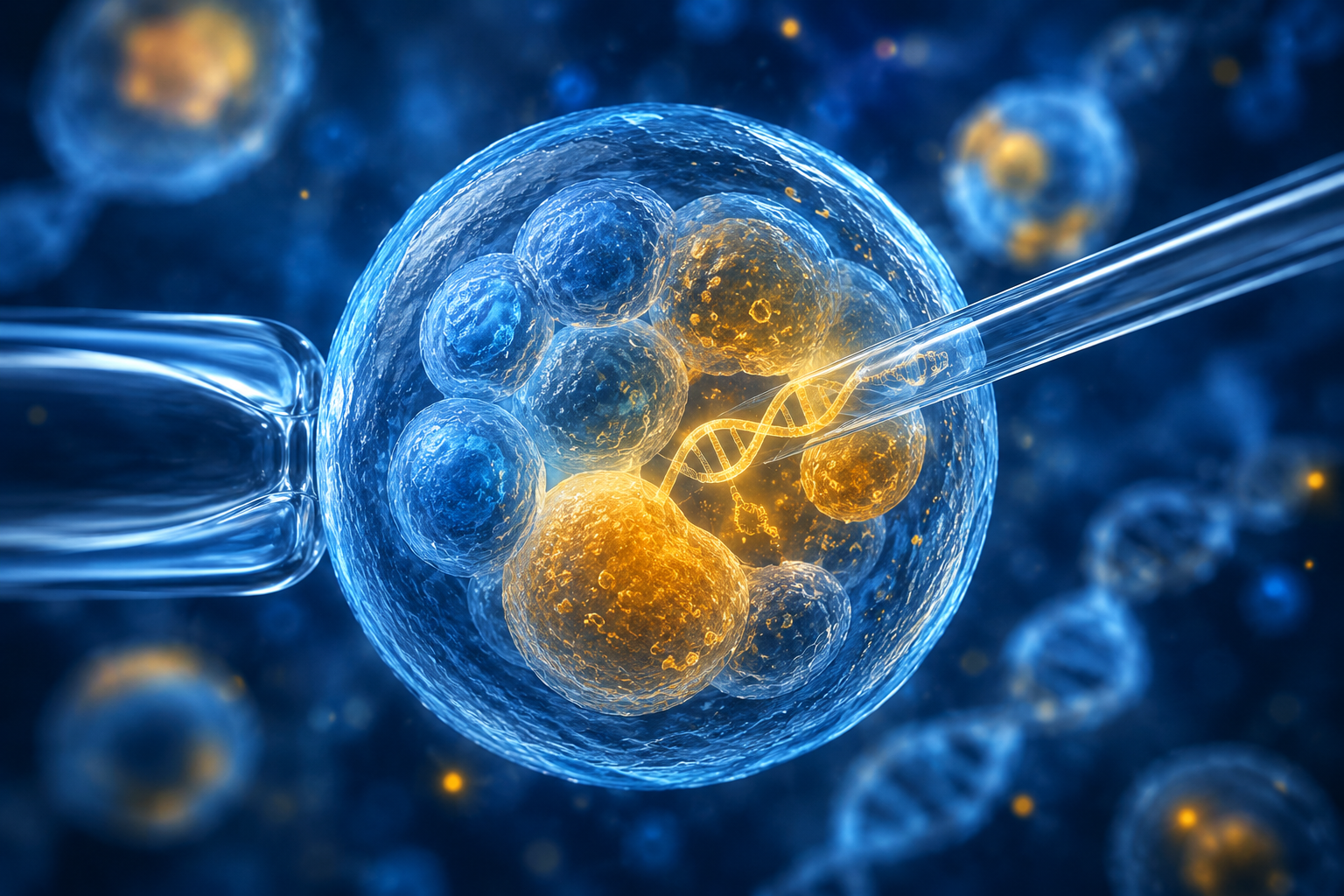
The researchers isolated the gene responsible for HMW HA production in naked mole rats and introduced it into mice using transgenic techniques. The resulting mice exhibited a median lifespan increase of approximately 10%, with notable reductions in age related inflammation, a process often referred to as "inflammaging."
HMW HA functions by strengthening the extracellular matrix, the structural framework that supports cells and tissues. This enhanced resilience helps cells withstand stress and prevents the accumulation of damage that typically accelerates aging. The study also found that the modified mice had lower rates of age related tissue degeneration, suggesting that HMW HA may play a broader role in maintaining cellular integrity.
While the results are promising, the researchers caution that the benefits observed in mice may not directly translate to humans. The human body’s response to HMW HA production could differ significantly due to variations in metabolism, immune function, and genetic background.
Future Outlook and Medical Implications
The discovery opens new avenues for developing therapies that mimic the effects of HMW HA without requiring genetic modification. Scientists are now exploring drug based approaches to inhibit the breakdown of HMW HA in the body or stimulate its natural production. Such interventions could offer a non invasive alternative to gene therapy, making longevity enhancing treatments more accessible.
Experts in the field emphasize that this study is a critical step toward understanding the fundamental biology of aging. By identifying genetic pathways that promote longevity in one species, researchers hope to uncover similar mechanisms in humans that could be targeted for therapeutic intervention. The ultimate goal is to develop interventions that extend both lifespan and healthspan, allowing people to live not just longer, but healthier lives.
Clinical trials in humans are still years away, but the findings provide a strong foundation for future research. The study also highlights the importance of studying unique biological traits in non traditional model organisms, such as the naked mole rat, which may hold the keys to unlocking new insights into human health.
Patient or Practitioner Guidance
For now, the study remains a scientific breakthrough with no immediate implications for clinical practice. However, individuals interested in longevity research should follow developments closely, as this work could pave the way for future therapies. Patients and practitioners should be aware that current anti aging products, such as topical hyaluronic acid serums, do not replicate the effects observed in this study. The benefits of HMW HA are tied to its continuous internal production, not external application.
Researchers also stress the need for further studies to validate these findings and explore potential risks. Gene therapy and related interventions carry inherent risks, and any future human applications would require rigorous testing to ensure safety and efficacy. Until then, the best strategies for promoting healthy aging remain well established: maintaining a balanced diet, engaging in regular physical activity, avoiding tobacco, and managing chronic conditions through routine medical care.
Key Takeaways
- Researchers transferred a longevity gene from naked mole rats to mice, resulting in a 10% increase in lifespan and reduced age related inflammation.
- The gene enhances production of high molecular weight hyaluronic acid (HMW HA), which strengthens cellular resilience and combats chronic inflammation.
- The study marks a shift from treating age related diseases to targeting the biological mechanisms of aging itself.
- Future therapies may focus on drugs that inhibit HMW HA breakdown or stimulate its production, rather than genetic modification.
- Clinical applications in humans are still years away, and current anti aging products do not replicate the study’s effects.
Frequently Asked Questions
What is high molecular weight hyaluronic acid (HMW HA), and how does it contribute to longevity?
HMW HA is a form of hyaluronic acid characterized by its large molecular size. It plays a critical role in maintaining the extracellular matrix, the structural framework that supports cells and tissues. In naked mole rats, high concentrations of HMW HA contribute to their exceptional resistance to age related diseases and cancer by enhancing cellular resilience to stress and reducing chronic inflammation.
Can humans benefit from HMW HA through dietary supplements or skincare products?
No. The benefits observed in the study are tied to the continuous internal production of HMW HA, not external application. Topical hyaluronic acid serums or dietary supplements do not replicate the effects seen in genetically modified mice. Future research may explore drug based approaches to stimulate HMW HA production in the body.
How long until these findings could lead to human therapies?
Clinical applications in humans are still years away. While the study provides a strong foundation for future research, additional studies are needed to validate the findings and explore potential risks. Researchers are currently investigating drug based approaches that could mimic the effects of HMW HA without requiring genetic modification.
What are the potential risks of gene therapy for longevity?
Gene therapy and related interventions carry inherent risks, including unintended genetic effects, immune responses, and long term safety concerns. Any future human applications would require rigorous testing to ensure safety and efficacy. The study’s authors emphasize the need for caution and further research before considering clinical use.
How does this study differ from previous aging research?
Unlike previous studies that focused on treating specific age related diseases, this work targets the biological mechanisms of aging itself. By enhancing cellular resilience and reducing chronic inflammation, the study aims to delay the onset of multiple age associated conditions, including cancer, cardiovascular disease, and neurodegenerative disorders.
Medical Review: MedSense Editorial Board








DISCUSSION (0)
POST A COMMENT