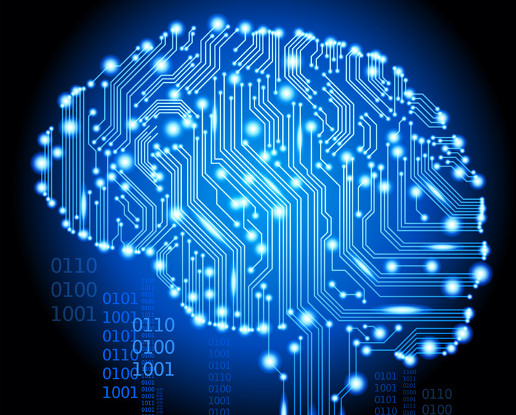
Neuroscientists have identified a previously unknown mechanism of brain communication that allows the hippocampus and retrosplenial cortex to dynamically reconfigure their neural pathways for memory encoding and retrieval. The discovery, published in Nature on May 13, 2026, overturns long standing assumptions about how the brain processes and stores experiences.
Using advanced neural recording techniques and computational modeling, an international research team observed that populations of neurons temporarily align their activity patterns, termed “subspace communication”, to share information across brain regions. Unlike rigid, fixed signaling routes, these communication states reorganize within milliseconds in response to behavioral demands, enabling the brain to adapt memories to new contexts and integrate sensory input with remarkable efficiency.
What Happened
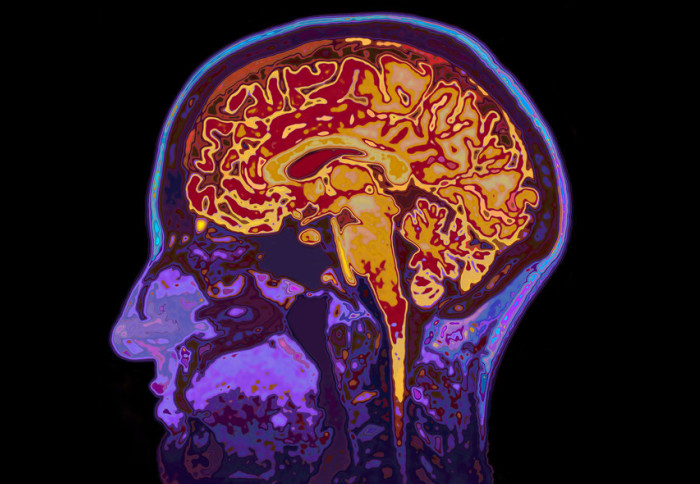
The study, led by researchers from leading institutions, examined the interaction between the hippocampus, a region critical for memory formation, and the retrosplenial cortex, which processes spatial navigation and contextual information. By tracking neural activity in real time, scientists discovered that these areas do not rely on static pathways but instead use shifting neural subspaces to encode and retrieve memories.
Why Public Health Officials Are Concerned
While the findings primarily advance fundamental neuroscience, they carry significant implications for understanding and treating memory related disorders. Conditions such as Alzheimer’s disease, post traumatic stress disorder (PTSD), and schizophrenia are characterized by disrupted neural communication. The discovery of subspace communication suggests that therapies targeting flexible neural coordination could offer new avenues for intervention, particularly in cases where memory encoding or retrieval is impaired.
Clinical Significance
This research challenges the traditional view of memory as a static process, instead proposing a dynamic system where neural circuits adapt in real time. The hippocampus and retrosplenial cortex’s ability to reconfigure communication pathways may explain how humans rapidly adjust memories to changing environments, a capability that could be compromised in neurological and psychiatric disorders.
Deep Dive and Research Findings
The team employed high resolution neural recording and computational modeling to map the interactions between the hippocampus and retrosplenial cortex. They found that neural populations temporarily align their activity patterns to form transient communication channels, which reorganize within milliseconds based on behavioral needs. This flexibility allows the brain to optimize learning and recall, integrating complex sensory information without relying on predetermined pathways.
Unlike previous models that described memory processing as a linear relay of information, the study supports a network based framework where communication is fluid and context dependent. The findings suggest that memory encoding is not a fixed process but a dynamic one, shaped by the brain’s ability to reconfigure its internal communication architecture.
Future Outlook and Medical Implications
Researchers anticipate that these findings could pave the way for novel therapeutic approaches targeting disrupted neural communication in memory disorders. By understanding how subspace communication functions, scientists may develop interventions that restore or enhance flexible neural coordination, potentially improving outcomes for patients with Alzheimer’s, PTSD, or schizophrenia.
Beyond medicine, the principles of subspace communication could influence the development of artificial intelligence systems designed to mimic the brain’s adaptability. AI models capable of dynamic, context aware learning may emerge from this research, offering new tools for fields ranging from robotics to cognitive computing.
Patient or Practitioner Guidance
For clinicians, the study underscores the importance of considering dynamic neural communication when diagnosing and treating memory related disorders. Current therapies often focus on static pathways or pharmacological interventions, but the discovery of subspace communication suggests that targeting the brain’s ability to reconfigure its neural networks could be a more effective strategy.
For patients and families affected by memory disorders, this research highlights the potential for future treatments that address the root causes of disrupted communication rather than merely managing symptoms. While clinical applications are still years away, the findings offer hope for more precise and adaptable therapies.
What Readers Should Know
This discovery represents a paradigm shift in neuroscience, challenging decades old models of memory encoding. The brain’s ability to dynamically reconfigure its communication pathways may explain how humans adapt to new environments, learn from experiences, and integrate sensory information. For researchers, the findings open new avenues for exploring the neural basis of cognition and developing treatments for memory disorders. For the public, the study offers a glimpse into the remarkable flexibility of the human brain and the potential for future innovations in both medicine and technology.
Key Takeaways
- Neuroscientists have discovered a dynamic neural communication mechanism called 'subspace communication' that allows the hippocampus and retrosplenial cortex to reconfigure memory encoding pathways in real time.
- The study challenges traditional models of memory processing by demonstrating that the brain uses flexible, context dependent communication channels rather than static neural pathways.
- The findings could lead to new therapeutic approaches for memory disorders such as Alzheimer’s disease, PTSD, and schizophrenia by targeting disrupted neural coordination.
- The principles of subspace communication may inspire next generation AI systems designed to mimic the brain’s adaptability and efficiency in learning and memory.
Frequently Asked Questions
What is subspace communication in the brain?
Subspace communication refers to the temporary alignment of neural activity patterns between brain regions, allowing for dynamic and flexible sharing of information. Unlike fixed signaling routes, these communication states reorganize within milliseconds to adapt to behavioral demands, enabling efficient memory encoding and retrieval.
How does this discovery challenge existing theories of memory processing?
Traditional models describe memory processing as a static relay of information through predetermined pathways. The discovery of subspace communication suggests that the brain instead uses a dynamic, network based system where neural circuits reconfigure in real time to optimize learning and recall, depending on context.
What are the potential medical applications of this research?
The findings could lead to new therapies for memory related disorders such as Alzheimer’s disease, PTSD, and schizophrenia by targeting disrupted neural communication. Researchers hope to develop interventions that restore or enhance the brain’s ability to reconfigure its communication pathways.
Could this discovery influence artificial intelligence development?
Yes. The principles of subspace communication could inspire AI systems designed to mimic the brain’s adaptability and efficiency. Future AI models may incorporate dynamic, context aware learning capabilities, potentially improving performance in fields like robotics and cognitive computing.
Medical Review: MedSense Editorial Board






DISCUSSION (0)
POST A COMMENT