
Major depressive disorder (MDD) has long been linked to anhedonia, the clinical inability to experience pleasure. Yet until now, the precise nature of this deficit has remained unclear. A groundbreaking study using functional MRI (fMRI) has uncovered a critical distinction: individuals with depression do not lose their capacity to enjoy rewarding activities like eating, but their brains struggle to generate the motivation to pursue them in the first place.
Published in Nature Human Behaviour, the research conducted by teams at the University Hospital Bonn, the University of Bonn, and the University Hospital Tübingen, reveals that depression selectively impairs the brain’s reward system during the anticipation phase, leaving the experience of pleasure largely unaffected.
What Happened
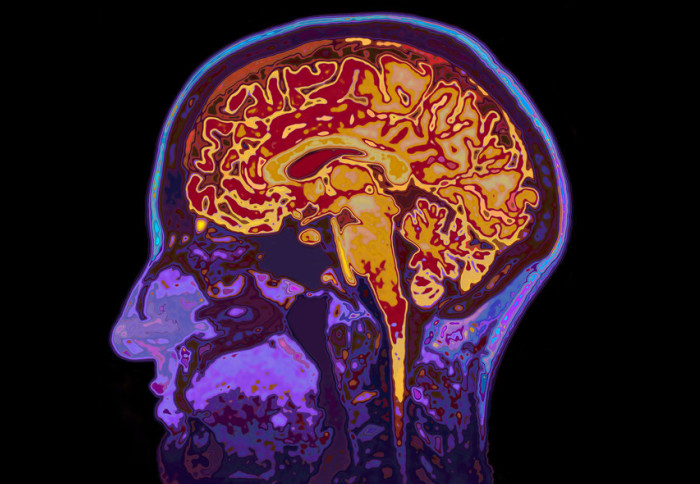
The study involved 50 participants, half with a diagnosis of major depressive disorder and half without. Using fMRI, researchers measured brain activity as participants anticipated receiving food rewards and again when they consumed them. The results showed a stark contrast: while depressed individuals exhibited significantly reduced neural responses in the ventral striatum, a key reward processing region, during the anticipation phase, their brain activity normalized once the food was received. Self reported enjoyment levels were comparable between both groups.
Why Public Health Officials Are Concerned
This selective disruption in reward processing may explain why individuals with depression often withdraw from activities they once found rewarding, such as socializing or engaging in hobbies. The findings challenge traditional views of anhedonia as a blanket inability to feel pleasure, instead highlighting a more targeted impairment in motivation and expectation. Public health experts warn that this nuanced understanding is essential for developing more effective interventions that address the root causes of functional impairments in daily life.
Symptoms or Risk Factors
Anhedonia is a core symptom of major depressive disorder, but its presentation can vary widely. The study suggests that clinicians should look beyond generalized reports of low mood and assess whether patients specifically struggle with initiating rewarding activities due to a lack of anticipated pleasure. This could include difficulties in starting meals, engaging in social interactions, or pursuing hobbies, despite still deriving enjoyment once engaged.
Who May Be Affected
While the study focused on individuals with diagnosed major depressive disorder, the findings may have broader implications for those experiencing subclinical depressive symptoms or other mental health conditions characterized by motivational deficits. Researchers note that the patterns observed could extend to other domains of reward processing, such as social interactions or monetary gains, suggesting a widespread mechanism that warrants further investigation.
Government or WHO Response
As of now, no specific policy changes have been announced in response to these findings. However, the World Health Organization (WHO) has long emphasized the need for improved mental health interventions that address the functional impairments associated with depression. The study’s insights align with ongoing efforts to refine diagnostic criteria and treatment protocols, particularly in primary care settings where anhedonia is often underrecognized.
Prevention and Safety Guidance
For individuals experiencing symptoms of depression, particularly those struggling with motivation or initiation of rewarding activities, the study underscores the importance of early intervention. Cognitive behavioral therapy (CBT) and behavioral activation therapy, which focus on rebuilding motivation and engagement, may be particularly beneficial. Additionally, clinicians are encouraged to explore whether patients exhibit anticipatory anhedonia, as this could guide more tailored treatment approaches.
What Readers Should Know
Depression does not erase the capacity for pleasure, but it can make it harder to anticipate it. This distinction is critical for both patients and caregivers, as it shifts the focus from simply alleviating sadness to restoring motivation and engagement in daily life. The study’s findings also highlight the potential for personalized medicine in mental health, where treatments are tailored to address specific neural and behavioral deficits rather than broad symptoms.
Key Takeaways
- Depression primarily impairs the brain's ability to anticipate pleasure from rewarding activities, not the actual experience of enjoyment.
- fMRI scans revealed reduced activity in the ventral striatum during anticipation in depressed individuals, but normal activity during consumption.
- The findings suggest that current treatments for depression may need to be refined to target anticipatory anhedonia specifically.
- Early intervention and tailored therapies, such as behavioral activation, could improve functional outcomes for individuals with depression.
Frequently Asked Questions
Does this mean people with depression don’t enjoy anything?
No. The study found that individuals with depression experience similar levels of enjoyment once they engage in rewarding activities, such as eating. The deficit lies in their ability to anticipate pleasure before starting the activity.
How does this change the way depression is treated?
The findings suggest that treatments focusing on rebuilding motivation and expectation, such as behavioral activation therapy, may be more effective than approaches that only address mood symptoms. Further research is needed to explore targeted interventions.
Could these findings apply to other mental health conditions?
While the study focused on major depressive disorder, researchers note that the mechanisms observed could extend to other conditions characterized by motivational deficits, such as schizophrenia or bipolar disorder. Further investigation is required.
What role does dopamine play in this process?
Dopamine is a key neurotransmitter in the brain's reward system, particularly in generating motivation and expectation. The study suggests that depression may disrupt dopamine function during the anticipation phase, leaving the experience of pleasure intact.
Medical Review: MedSense Editorial Board





DISCUSSION (0)
POST A COMMENT