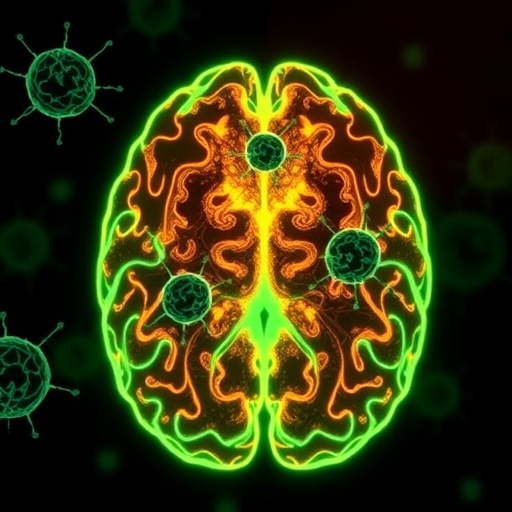
Researchers have uncovered a molecular mechanism that could transform stroke recovery by restoring the brain’s immune cells to a reparative state. The study, published in Nature on May 13, 2026, reveals how the protein ZFP384 disrupts microglial function after stroke, and how targeted therapy could reverse this dysfunction to enhance neurological repair.
What Happened
The study, led by a team at a leading neuroscience research center, demonstrates that microglia, the brain’s resident immune cells, initially adopt a reparative role after a stroke to clear debris and promote healing. However, over time, these cells transition into a dysfunctional state that worsens inflammation and impedes recovery. The researchers identified ZFP384, a transcription factor, as the driver of this dysfunction by suppressing genes critical for microglial repair.
Why Public Health Officials Are Concerned
Stroke remains a leading cause of long term disability worldwide, with limited options to promote recovery beyond acute interventions like thrombolytics or mechanical thrombectomy. These treatments focus on restoring blood flow but do not address the underlying cellular dysfunction that limits recovery. The discovery of ZFP384’s role in microglial dysfunction offers a potential new target to unlock the brain’s innate repair mechanisms.
Symptoms or Risk Factors
While the study focuses on post stroke microglial dysfunction, stroke itself presents with sudden symptoms including numbness or weakness in the face, arm, or leg, especially on one side of the body, confusion, trouble speaking or understanding speech, vision problems, dizziness, loss of balance, or severe headache. Risk factors include high blood pressure, diabetes, smoking, and atrial fibrillation.
Who May Be Affected
Individuals who have experienced an ischemic or hemorrhagic stroke are the primary population that could benefit from this research. Additionally, the findings may have broader implications for other neurological conditions characterized by microglial dysfunction, such as Alzheimer’s disease and traumatic brain injury.
Government or WHO Response
As of the publication date, no government or international health organization has issued specific guidance related to this research. However, the study’s findings align with ongoing efforts to expand therapeutic options for stroke recovery beyond acute phase treatments. Further clinical trials and regulatory reviews will be necessary before any new therapy can be approved for patient use.
Prevention and Safety Guidance
While this research focuses on post stroke recovery, stroke prevention remains critical. The American Stroke Association recommends controlling high blood pressure, managing diabetes, quitting smoking, maintaining a healthy weight, and engaging in regular physical activity. For those at high risk, medications like blood thinners or cholesterol lowering drugs may be prescribed. Recognizing stroke symptoms and seeking immediate medical attention can significantly improve outcomes.
What Readers Should Know
This study represents a significant step toward developing therapies that could improve recovery outcomes for stroke survivors. Unlike current treatments that must be administered within hours of symptom onset, antisense oligonucleotide (ASO) therapy targeting ZFP384 could potentially be given days or weeks after a stroke, expanding the therapeutic window. While preclinical results are promising, human trials are needed to confirm safety and efficacy before this approach can be widely adopted.
Key Takeaways
- Microglia, the brain’s immune cells, play a critical role in stroke recovery by clearing debris and promoting healing, but their function is compromised by the protein ZFP384.
- Targeting ZFP384 with antisense oligonucleotides (ASOs) may restore microglial reparative function, offering a novel therapeutic strategy to enhance recovery after stroke.
- Unlike existing stroke treatments that focus on acute interventions, ASO therapy could be administered days or weeks post stroke, potentially expanding the therapeutic window.
- The findings may have broader implications for other neurological conditions characterized by microglial dysfunction, such as Alzheimer’s disease and traumatic brain injury.
- Further clinical trials are needed to evaluate the safety and efficacy of ZFP384 targeting ASOs in humans before widespread adoption.
Frequently Asked Questions
What are microglia, and why are they important in stroke recovery?
Microglia are the brain’s resident immune cells that respond to injury by clearing debris and promoting tissue repair. After a stroke, their initial reparative function is crucial, but they can later transition into a dysfunctional state that worsens inflammation and hinders recovery.
How does ZFP384 contribute to microglial dysfunction after stroke?
ZFP384 is a transcription factor that suppresses genes critical for microglial repair. Its activity disrupts the cells’ ability to adopt a reparative phenotype, leading to increased inflammation and impaired recovery.
What are antisense oligonucleotides (ASOs), and how could they help stroke patients?
ASOs are short sequences of nucleotides designed to target specific RNA molecules. In this case, they could be used to block ZFP384’s activity, restoring microglial gene expression and enhancing their reparative function after stroke.
Could this therapy be used in combination with existing stroke treatments?
Researchers are exploring whether targeting ZFP384 could work alongside acute treatments like thrombolytics or mechanical thrombectomy. However, further studies are needed to determine potential synergies and optimal timing.
When might this therapy become available for patients?
While preclinical results are promising, human trials are necessary to assess safety and efficacy. If successful, regulatory approval could take several years, depending on trial outcomes and regulatory processes.
Medical Review: MedSense Editorial Board








DISCUSSION (0)
POST A COMMENT