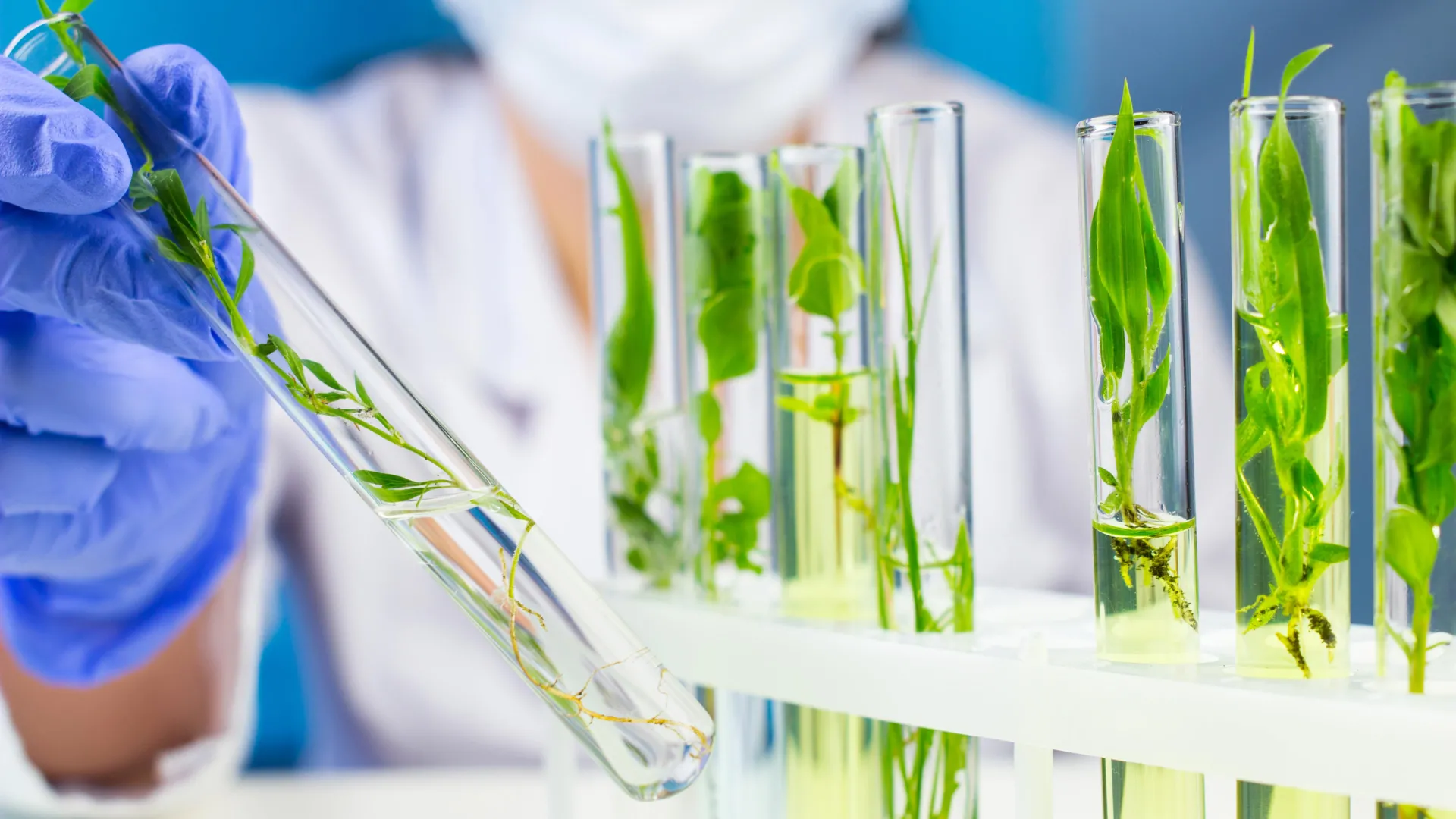
For decades, the promise of mitraphylline, a rare indole alkaloid found in tropical plants like kratom and cat’s claw, has remained largely untapped due to its scarcity in nature. Now, a team of biochemists at the University of British Columbia (UBC) Okanagan has cracked the code on its complex molecular assembly, opening the door to synthetic production and potential clinical applications.
The breakthrough, published in Nature Chemical Biology, centers on two enzymes, MitA and MitB, that work in tandem to construct mitraphylline’s distinctive twisted molecular structure. This enzymatic pathway had eluded researchers for years, despite the compound’s demonstrated anti proliferative effects against aggressive cancers in laboratory studies.
What Happened
Led by Dr. Wesley Lo, a biochemist at UBC Okanagan, the research team identified the precise enzymatic steps required to produce mitraphylline. Their work reveals how MitA and MitB collaborate in a stepwise process to assemble the compound’s pentacyclic ring system, a structure believed to underlie its anti cancer activity.
Clinical Significance
Mitraphylline’s potential as a cancer therapeutic stems from its multi targeted mechanisms. In preclinical studies, it has shown the ability to:
- Arrest cancer cell division by disrupting cyclin dependent kinases (CDKs).
- Induce programmed cell death (apoptosis) through caspase activation and mitochondrial disruption.
- Inhibit tumor angiogenesis, cutting off blood supply to cancerous tissues.
- Modulate inflammatory pathways that contribute to cancer progression.
These effects have been observed in breast, colon, and pancreatic cancer models, though human trials have not yet been conducted.
Why This Matters for Drug Development
Natural sources of mitraphylline, such as Mitragyna speciosa (kratom) and Uncaria tomentosa (cat’s claw), contain the compound in concentrations below 0.1%, making large scale extraction impractical. The UBC team’s discovery enables synthetic production or microbial engineering, which could:
- Reduce production costs by eliminating reliance on scarce plant material.
- Accelerate drug development by providing a stable, scalable supply of the compound.
- Allow for structural modifications to enhance potency or reduce side effects.
Future Outlook and Medical Implications
Researchers are now exploring multiple avenues to translate this discovery into clinical use:
- Synthetic Biology: Introducing MitA and MitB genes into microbial hosts like E. coli or yeast to produce mitraphylline at scale.
- Metabolic Engineering: Optimizing host organisms to maximize yield and purity of the compound.
- Preclinical Testing: Evaluating mitraphylline’s pharmacokinetics, toxicity, and efficacy in animal models before human trials.
If successful, these efforts could position mitraphylline as a lead candidate for drug development programs targeting solid tumors.
Challenges Ahead
Despite the promise, several hurdles remain:
- Regulatory Pathways: Plant derived compounds face stringent approval processes, requiring extensive safety and efficacy data.
- Scalability: Scaling synthetic production will demand significant investment in biomanufacturing infrastructure.
- Public Perception: The compound’s association with traditional medicines like kratom may influence regulatory acceptance and patient trust.
What Patients and Practitioners Should Know
While mitraphylline’s potential is significant, it is not yet approved for clinical use. Patients should avoid self medicating with kratom or cat’s claw, as these plants contain variable and often unknown concentrations of mitraphylline, alongside other compounds that may pose health risks. Healthcare providers should monitor ongoing research and clinical trial developments closely.
Key Takeaways
- Researchers at UBC Okanagan have decoded the biosynthetic pathway of mitraphylline, a rare plant compound with anti cancer properties.
- The discovery enables synthetic production of mitraphylline, bypassing the need for scarce natural sources.
- Mitraphylline has shown promise in preclinical studies against breast, colon, and pancreatic cancers through mechanisms like cell cycle arrest and apoptosis induction.
- Synthetic production could reduce costs and accelerate drug development, but regulatory and scalability challenges remain.
- Patients should avoid using traditional plant sources like kratom for mitraphylline until clinical trials confirm safety and efficacy.
Frequently Asked Questions
What is mitraphylline, and why is it significant in cancer research?
Mitraphylline is a rare indole alkaloid found in plants like kratom and cat’s claw. It has demonstrated anti proliferative effects against several aggressive cancers in laboratory studies, including breast, colon, and pancreatic cancers. Its unique molecular structure allows it to interfere with cancer cell division, induce programmed cell death, and inhibit tumor blood supply.
How does the UBC team’s discovery enable synthetic production of mitraphylline?
The researchers identified two enzymes, MitA and MitB, that work together to assemble mitraphylline’s molecular structure. By introducing these enzymes into microbial hosts like E. coli or yeast, they can produce the compound synthetically, bypassing the need for large scale plant cultivation.
What are the next steps in developing mitraphylline as a cancer drug?
The next phase involves optimizing synthetic production, conducting preclinical studies to evaluate pharmacokinetics and toxicity, and eventually moving to human clinical trials. Researchers are also exploring structural modifications to enhance the compound’s potency or reduce side effects.
Are there risks associated with using kratom or cat’s claw as sources of mitraphylline?
Yes. These plants contain variable and often unknown concentrations of mitraphylline, along with other compounds that may pose health risks. Self medicating with these plants is not recommended, as their safety and efficacy have not been established in clinical trials.
When might mitraphylline be available as a cancer treatment?
It is too early to predict. While preclinical studies are promising, mitraphylline has not yet undergone human clinical trials. The timeline for regulatory approval will depend on the outcomes of these trials and subsequent regulatory reviews.
Medical Review: MedSense Editorial Board









DISCUSSION (0)
POST A COMMENT