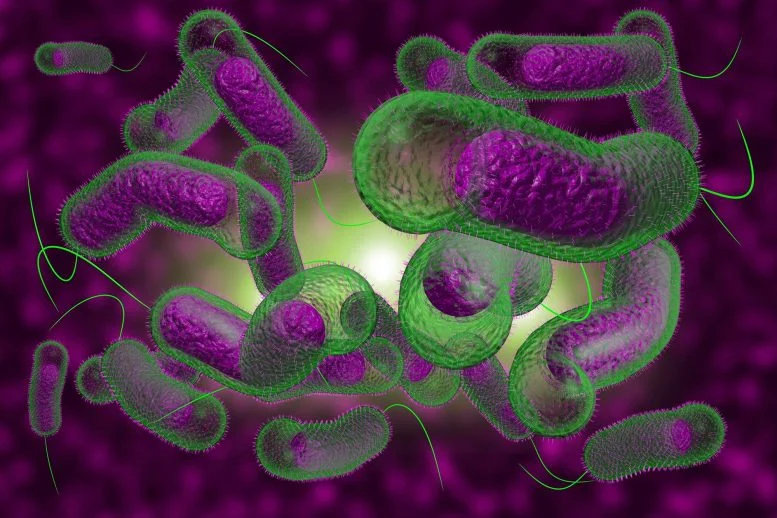
Cholera, a disease long associated with contaminated water and bacterial toxins, is undergoing a silent transformation driven by an evolutionary arms race between its causative agent and microscopic predators. A study published in Nature on May 12, 2026, exposes how bacteriophages, viruses that infect bacteria, are reshaping the genetic landscape of Vibrio cholerae, the pathogen behind cholera outbreaks worldwide.
The findings suggest that this viral predation is selecting for bacterial strains with heightened virulence, biofilm formation, and even antibiotic resistance, challenging traditional approaches to disease control and treatment.
What Happened
Researchers combined genomic surveillance of cholera outbreaks with controlled laboratory experiments to dissect the molecular mechanisms of this bacterial viral conflict. Their analysis revealed that bacteriophages, which prey on Vibrio cholerae, are driving genetic adaptations in the bacteria that enhance their survival and transmissibility.
Why Public Health Officials Are Concerned
Public health experts warn that this evolutionary pressure could lead to the emergence of hypervirulent cholera strains, complicating efforts to contain outbreaks. The study highlights three critical concerns:
- Underestimation of viral impact: Traditional cholera surveillance often fails to account for the role of bacteriophages in bacterial evolution, potentially missing key drivers of disease severity.
- Accelerated adaptation: Environmental changes, including rising global temperatures and altered aquatic ecosystems, may intensify viral bacterial interactions, speeding up the emergence of more dangerous strains.
- Antibiotic resistance: As cholera bacteria evolve under phage pressure, they may develop resistance to antibiotics, further limiting treatment options in regions where the disease is endemic.
Symptoms or Risk Factors
Cholera remains a severe diarrheal illness caused by Vibrio cholerae, typically transmitted through contaminated water. Symptoms include profuse watery diarrhea, vomiting, and rapid dehydration, which can be life threatening without prompt rehydration therapy. The study suggests that phage driven bacterial adaptations may increase toxin production, potentially worsening disease outcomes.
Who May Be Affected
Populations in low resource settings, particularly in regions with inadequate sanitation and limited access to clean water, remain at highest risk for cholera. Travelers to endemic areas and communities experiencing environmental disruptions, such as flooding or droughts, are also vulnerable. The study’s findings imply that even well established cholera control strategies may need reevaluation to address the evolving threat.
Government or WHO Response
The World Health Organization (WHO) has emphasized the need for phage aware surveillance systems to monitor cholera evolution in real time. While traditional control measures, such as improved sanitation and oral rehydration therapy, remain essential, the study suggests that public health strategies may need to incorporate phage targeted interventions or probiotic approaches to disrupt harmful bacterial adaptations.
Prevention and Safety Guidance
To mitigate the risks posed by this evolving threat, health authorities recommend the following measures:
- Enhanced surveillance: Integrate phage monitoring into global cholera surveillance networks to detect shifts in bacterial virulence and resistance patterns.
- Water safety: Strengthen efforts to improve access to clean water and sanitation, particularly in high risk regions.
- Antibiotic stewardship: Use antibiotics judiciously to reduce the risk of resistance, especially in cholera endemic areas.
- Research investment: Support studies exploring phage based therapies and probiotics to counteract harmful bacterial adaptations.
What Readers Should Know
This research underscores the complexity of cholera as a disease shaped not only by human behavior and environmental factors but also by microscopic viral predators. Recognizing the role of bacteriophages in bacterial evolution could lead to more effective, adaptive public health strategies. For now, the best defense remains robust sanitation, clean water access, and rapid response to outbreaks.
Key Takeaways
- Bacteriophages are driving genetic adaptations in cholera bacteria, potentially increasing virulence and complicating treatment.
- Traditional cholera surveillance may overlook the role of viruses in bacterial evolution, leading to underestimation of disease risks.
- Environmental changes, such as rising temperatures, could accelerate the emergence of more dangerous cholera strains.
- Public health strategies may need to incorporate phage aware interventions to address the evolving threat.
- Improved sanitation, clean water access, and rapid outbreak response remain critical for cholera control.
Frequently Asked Questions
How do bacteriophages influence cholera bacteria?
Bacteriophages infect and kill cholera bacteria, but in doing so, they select for bacterial strains that can evade viral predation. This evolutionary pressure often leads to increased toxin production, biofilm formation, and even antibiotic resistance, which can worsen disease severity and transmission.
Why is this study significant for public health?
The study highlights a previously underappreciated driver of cholera’s evolution, viral predation, which could reshape disease control strategies. Ignoring this factor may leave public health efforts outdated and ineffective against emerging hypervirulent strains.
What are the symptoms of cholera, and how severe can it be?
Cholera causes severe watery diarrhea, vomiting, and rapid dehydration, which can be fatal without prompt treatment. The disease spreads through contaminated water and remains a major threat in regions with poor sanitation.
How can communities protect themselves from cholera?
The most effective measures include access to clean water, improved sanitation, and prompt oral rehydration therapy during outbreaks. Travelers to high risk areas should avoid untreated water and raw foods.
Are there new treatments or strategies emerging from this research?
Researchers are exploring phage based therapies and probiotics to counteract harmful bacterial adaptations. However, these approaches are still experimental and not yet widely available. Traditional control measures remain the cornerstone of cholera prevention.
Medical Review: MedSense Editorial Board






DISCUSSION (0)
POST A COMMENT