
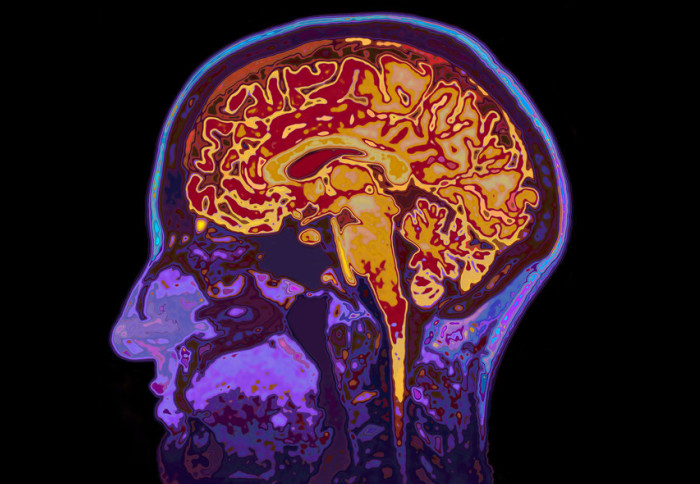
For decades, tinnitus has been dismissed as a mechanical dysfunction of the inner ear, a condition triggered by noise exposure or age related damage. But a new study published in Nature Neuroscience suggests the condition may originate in the brain, driven by disruptions in serotonin signaling.
Researchers found that altered serotonin activity in auditory processing regions can amplify neural noise into the persistent ringing or buzzing that defines tinnitus. This discovery challenges long held assumptions and points to a neurological, rather than purely auditory, root cause.
What Happened
An international team of neuroscientists used advanced neuroimaging and electrophysiological techniques to examine how serotonin modulates auditory perception in individuals with chronic tinnitus. Their findings, published in Nature Neuroscience, reveal that serotonin dysregulation in the auditory cortex and related brain regions disrupts normal sound processing, leading to the perception of phantom sounds.
Why Public Health Officials Are Concerned
Tinnitus affects an estimated 10 to 15 percent of the global population, with severe cases contributing to insomnia, anxiety, and depression. The new research suggests that current treatments, which primarily target the ear, may overlook a critical component of the condition. Public health experts warn that without addressing the neurological underpinnings, many patients will continue to struggle with persistent symptoms despite conventional interventions.
Symptoms or Risk Factors
While tinnitus is often associated with hearing loss or noise exposure, the study highlights that serotonin imbalances may play a role in cases where no clear ear damage is present. Symptoms typically include:
- Persistent ringing, buzzing, or hissing in one or both ears
- Worsening symptoms in quiet environments
- Associated sleep disturbances and cognitive difficulties
Researchers note that individuals with a history of depression, anxiety, or other mood disorders may be at higher risk due to serotonin’s role in both mental health and auditory processing.
Who May Be Affected
The findings have broad implications for populations already vulnerable to tinnitus, including:
- Veterans and industrial workers exposed to chronic noise
- Adults over 60, who face age related hearing decline
- Individuals with a genetic predisposition to serotonin dysregulation
- Patients with comorbid mental health conditions
Government or WHO Response
The World Health Organization (WHO) has not yet issued a formal response to the study, but the findings align with its broader efforts to address hearing loss as a global health priority. The U.S. National Institute on Deafness and Other Communication Disorders (NIDCD) has funded related research and continues to explore brain based interventions for tinnitus.
Prevention and Safety Guidance
While the study focuses on treatment rather than prevention, experts recommend protecting hearing to reduce risk factors associated with tinnitus. Key steps include:
- Wearing ear protection in noisy environments
- Managing stress and mental health to support serotonin balance
- Seeking early intervention for hearing changes or persistent ear symptoms
What Readers Should Know
This research marks a paradigm shift in how tinnitus is understood and treated. Patients who have not responded to traditional therapies may benefit from exploring brain focused treatments, such as neuromodulation or serotonin regulating medications. Clinicians are encouraged to consider the neurological aspects of tinnitus in their diagnostic and treatment approaches.
Key Takeaways
- Tinnitus may stem from serotonin dysregulation in the brain, not just ear damage.
- The study challenges traditional ear focused treatments and highlights the need for brain targeted therapies.
- Individuals with mood disorders or chronic stress may be at higher risk due to serotonin’s role in both mental health and auditory processing.
- Early intervention and hearing protection remain critical for reducing tinnitus risk.
- Patients unresponsive to conventional treatments may benefit from exploring neurological approaches.
Frequently Asked Questions
How does serotonin influence tinnitus?
Serotonin modulates neural circuits in the auditory cortex, amplifying background noise into perceived sound when its signaling is disrupted. This suggests tinnitus involves abnormal brain activity, not just ear dysfunction.
Can existing tinnitus treatments be improved with this research?
Current treatments often focus on the ear, but this study suggests brain targeted therapies, such as serotonin regulating drugs or neuromodulation, could offer better outcomes for patients unresponsive to conventional approaches.
Who should consider brain focused tinnitus treatments?
Patients with persistent symptoms despite ear focused therapies, those with comorbid mental health conditions, or individuals with no clear ear damage may benefit from exploring neurological interventions.
What steps can I take to reduce my risk of tinnitus?
Protect your hearing in noisy environments, manage stress to support serotonin balance, and seek early evaluation for hearing changes or persistent ear symptoms.
Medical Review: MedSense Editorial Board










DISCUSSION (0)
POST A COMMENT