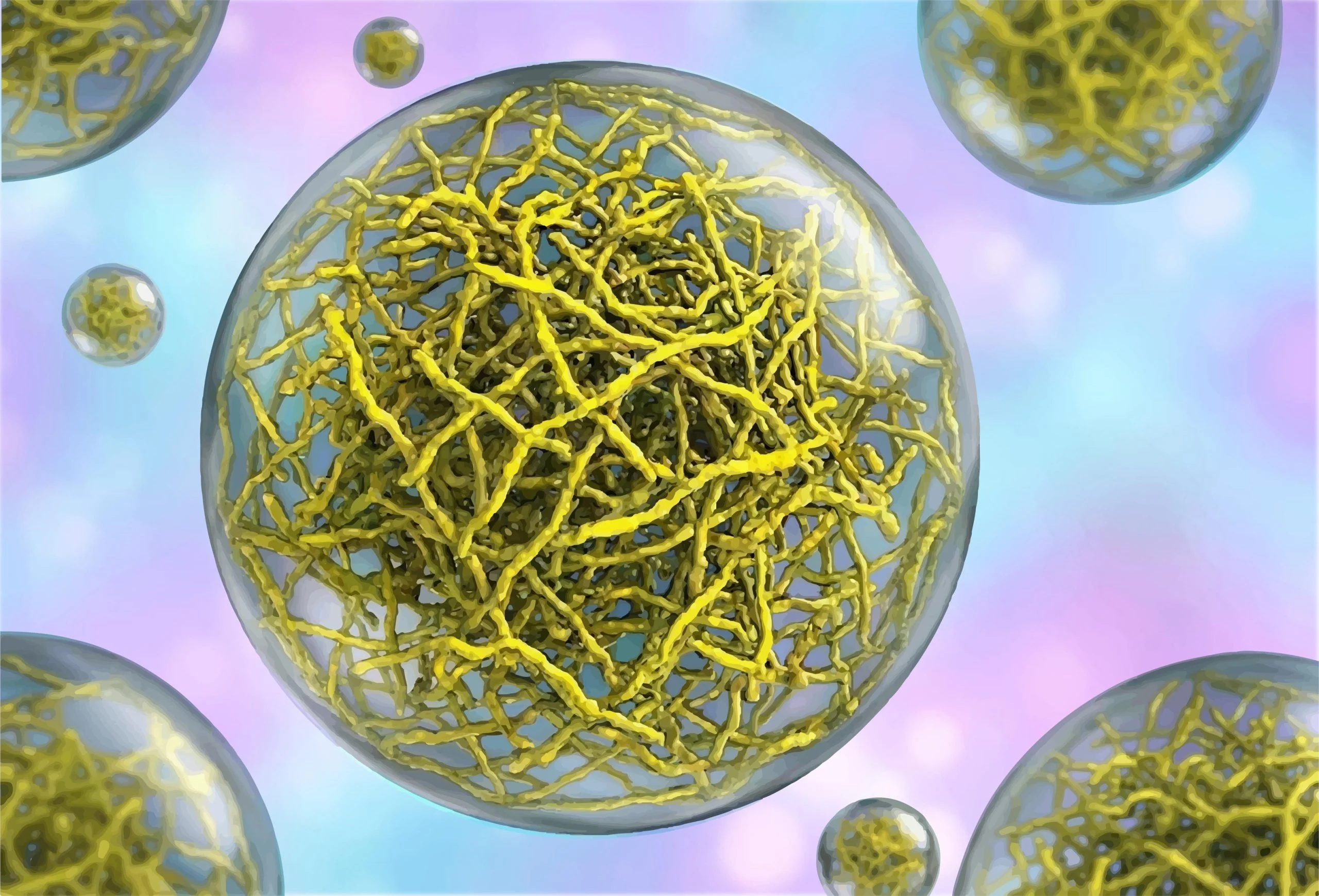
Cells are not passive containers of randomly moving molecules, as long assumed. A new study published in Nature Cell Biology demonstrates that living cells rely on sophisticated internal flow systems to transport proteins, organelles, and nutrients with remarkable efficiency.
Using high resolution live cell imaging and computational modeling, researchers at the University of California, San Francisco, and the Max Planck Institute for Molecular Cell Biology and Genetics captured real time footage of these dynamic flows. The findings reveal a previously unrecognized layer of cellular organization that underpins growth, repair, and division.
What Researchers Discovered
Scientists observed that cells generate organized fluid dynamics, described as wind like internal flows, that actively guide the movement of cellular components. These flows are not random but follow coordinated pathways influenced by the cell’s structure and energy state.
The study found that these internal circulation systems:
- Enable faster and more efficient transport of proteins and organelles compared to passive diffusion
- Support rapid structural changes during cell growth, division, and repair
- Help coordinate internal processes by aligning molecular traffic along defined routes
Clinical Significance
This discovery challenges decades of assumptions about intracellular transport, particularly in how cells manage their internal logistics. The findings suggest that disruptions to these flow systems may play a role in disease progression, offering new avenues for therapeutic intervention.
Researchers note that fast moving cancer cells, for example, may exploit these flow systems to spread rapidly through tissues. Similarly, neurodegenerative diseases could involve failures in these transport networks, contributing to cellular dysfunction.
Deep Dive and Research Findings
The team used advanced microscopy techniques to visualize molecular movement in real time, tracking the behavior of fluorescently labeled proteins and organelles within living cells. Computational models then mapped the flow patterns, revealing a network of internal currents that resemble miniature circulatory systems.
Key observations included:
- Flows are driven by molecular motors and cytoskeletal structures, which act as cellular highways
- Energy from ATP hydrolysis powers these movements, creating directional currents
- The patterns adapt dynamically to the cell’s needs, such as during migration or division
Future Outlook and Medical Implications
This discovery opens new possibilities for drug development and disease treatment. Scientists speculate that targeting these flow systems could lead to therapies that:
- Slow the spread of metastatic cancer by disrupting intracellular transport
- Improve the delivery of therapeutic molecules inside cells
- Correct transport disorders linked to neurodegenerative diseases
While the research is still in its early stages, the implications are far reaching. It suggests that cells operate more like highly organized systems than simple biological compartments, reshaping our understanding of cellular function.
Patient or Practitioner Guidance
For now, this discovery remains a foundational advance in cell biology. However, clinicians and researchers may soon explore how these findings translate into practical applications, such as:
- Developing diagnostic tools to detect disruptions in cellular flow systems
- Designing drugs that modulate these internal currents for therapeutic benefit
- Enhancing drug delivery strategies by leveraging natural cellular transport mechanisms
As the field evolves, further studies will be needed to determine how these flow systems vary across different cell types and disease states.
What Readers Should Know
This research represents a paradigm shift in cell biology, highlighting the complexity of cellular organization. While the findings are not yet directly applicable to patient care, they lay the groundwork for future innovations in cancer treatment, drug delivery, and disease prevention.
For scientists, the discovery underscores the importance of studying cells as dynamic, interconnected systems rather than static structures. For the public, it offers a glimpse into the intricate machinery that keeps our bodies functioning at the most fundamental level.
Key Takeaways
- Cells use organized internal flow systems to transport materials efficiently, challenging long held assumptions about cellular function.
- Disruptions to these flow systems may contribute to diseases like cancer and neurodegenerative disorders, offering new therapeutic targets.
- The discovery was made using advanced live cell imaging and computational modeling, revealing dynamic patterns of molecular movement.
- Future research could lead to therapies that modulate these flows to slow cancer metastasis, improve drug delivery, and correct transport disorders.
Frequently Asked Questions
How do these internal flow systems differ from passive diffusion in cells?
Unlike passive diffusion, which relies on random molecular movement, internal flow systems in cells are organized and directional. They are powered by molecular motors and cytoskeletal structures, creating currents that transport materials more efficiently and adapt to the cell’s needs.
Could this discovery lead to new cancer treatments?
Researchers speculate that targeting these flow systems could help slow the spread of metastatic cancer by disrupting the intracellular transport that cancer cells rely on. However, this is still an area of ongoing research, and clinical applications are not yet available.
What techniques were used to observe these internal flows?
The study combined high resolution live cell imaging with computational modeling. Researchers used fluorescent labeling to track the movement of proteins and organelles in real time, then analyzed the data to map the flow patterns.
Are these flow systems present in all cell types?
The study focused on specific cell types, but researchers believe these flow systems are likely a fundamental feature of many, if not all, eukaryotic cells. Further research is needed to determine how these systems vary across different cell types and conditions.
Medical Review: MedSense Editorial Board








DISCUSSION (0)
POST A COMMENT