
In the quiet hum of laboratories and the rustle of field equipment, a quiet revolution is unfolding. Scientists are turning the invisible genetic signatures left behind by living organisms into a powerful surveillance tool that could redefine how we monitor ecosystems, track disease, and protect public health. This tool is environmental DNA (eDNA), a molecular footprint that is reshaping both ecological research and infectious disease detection.
Once confined to niche research, eDNA analysis has rapidly evolved into a critical component of modern surveillance systems. By extracting and sequencing genetic material shed by organisms into water, soil, or air, researchers can now detect the presence of species, pathogens, and environmental changes with unprecedented precision and speed.
What Happened
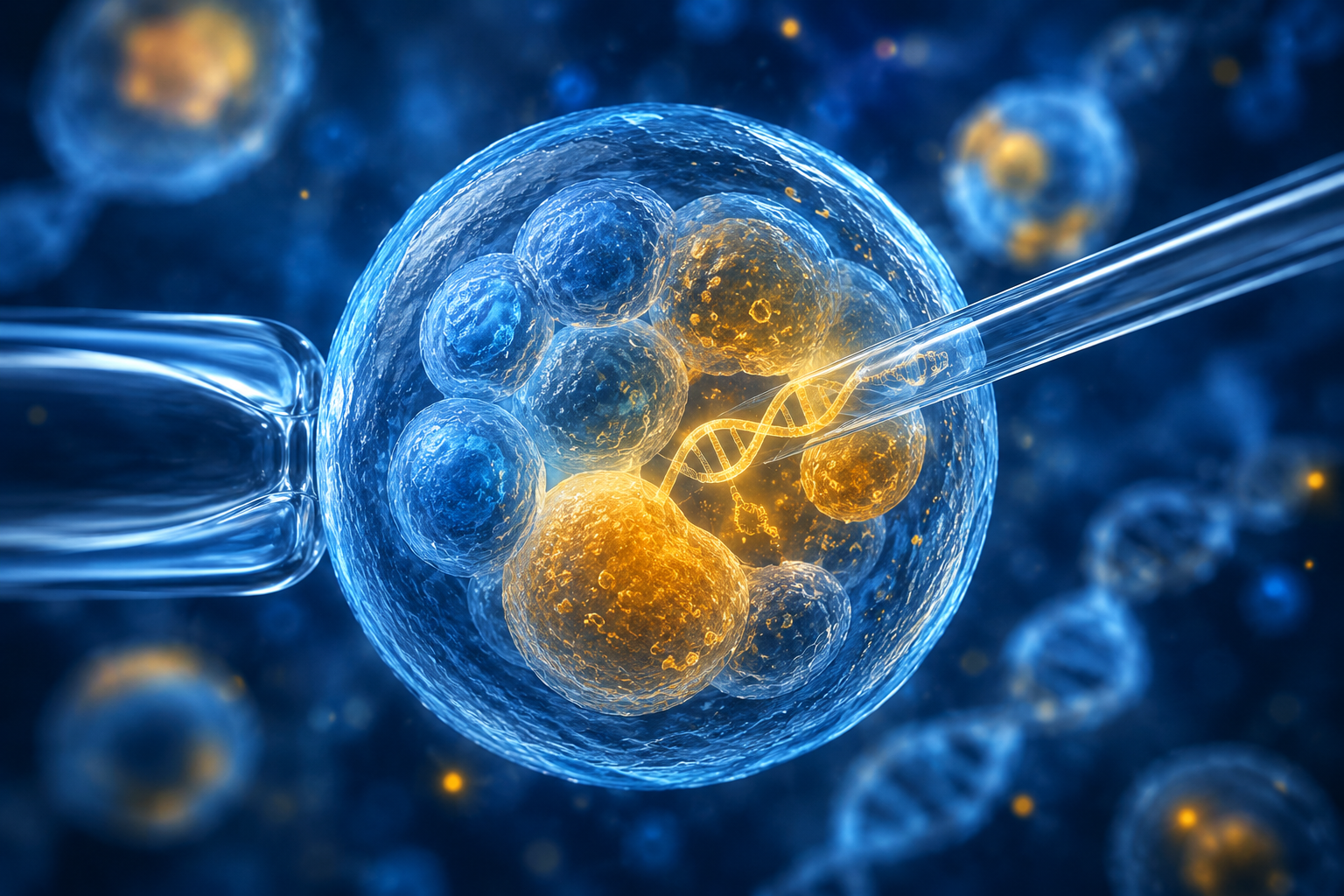
Environmental DNA refers to genetic material, such as skin cells, mucus, or waste, that organisms release into their surroundings. These fragments, though invisible to the naked eye, carry critical genetic information that can be isolated, sequenced, and analyzed to reveal the presence of specific species or pathogens. The technique has moved from experimental curiosity to operational tool in fields ranging from conservation biology to infectious disease control.
Why Public Health Officials Are Concerned
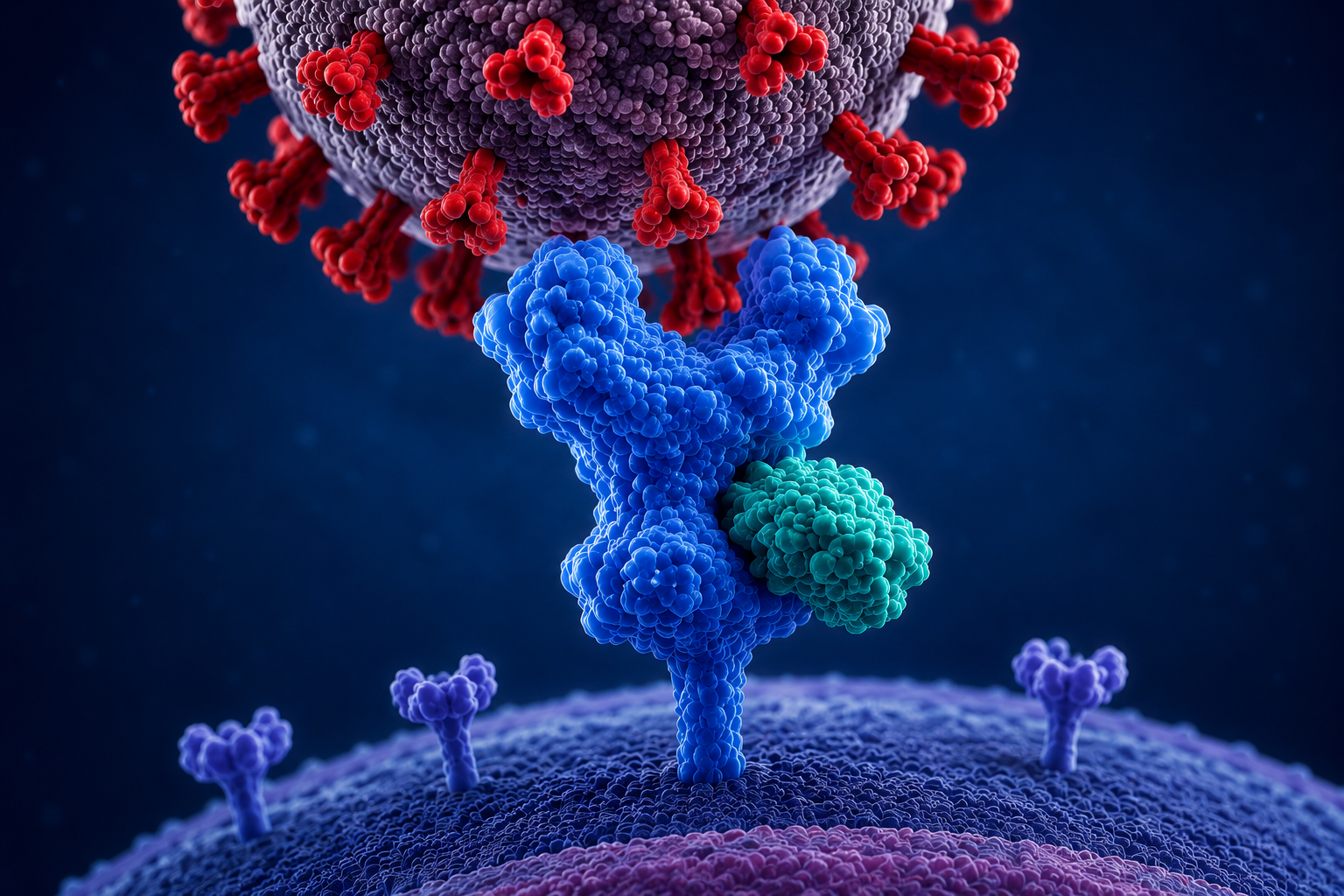
The COVID 19 pandemic exposed vulnerabilities in global disease surveillance systems. Traditional methods often lag behind pathogen spread, delaying response times. eDNA offers a complementary approach by enabling early detection of pathogens in wastewater, air, and environmental samples. According to the U.S. Centers for Disease Control and Prevention (CDC), wastewater surveillance has become a cornerstone of national COVID 19 monitoring, with eDNA analysis playing a key role in identifying viral genetic material in sewage.
Public health agencies are now exploring how eDNA can be integrated into routine surveillance networks to detect not only SARS CoV 2 but also influenza, RSV, and other respiratory viruses. The World Health Organization (WHO) has highlighted the potential of air sampling for eDNA in high risk settings such as hospitals and public transportation hubs to monitor airborne pathogens in real time.
Symptoms or Risk Factors
While eDNA itself is not a clinical tool, its applications in disease detection can help identify communities at risk of outbreaks before symptoms appear. For example, wastewater surveillance can signal the presence of viral genetic material weeks before clinical cases are reported. This early warning system is particularly valuable for respiratory viruses that spread asymptomatically and for diseases with long incubation periods.
In ecological contexts, changes in eDNA profiles can indicate environmental stressors such as pollution, habitat degradation, or the introduction of invasive species. These shifts may not present immediate symptoms but can signal long term ecological risks.
Who May Be Affected
eDNA surveillance has broad implications across multiple sectors:
- Public Health Systems: Health departments and epidemiologists rely on eDNA for early detection of infectious diseases, enabling faster outbreak response and targeted interventions.
- Conservation Organizations: Ecologists and wildlife managers use eDNA to monitor endangered species, track invasive species, and assess biodiversity loss in fragile ecosystems.
- Environmental Agencies: Regulators and researchers employ eDNA to evaluate water and soil quality, detect harmful algal blooms, and monitor the impact of industrial activities on ecosystems.
- Hospital and Clinical Settings: Healthcare facilities are exploring air sampling for eDNA to monitor airborne pathogens and improve infection control measures.
Government or WHO Response
Governments and international health organizations are increasingly investing in eDNA based surveillance infrastructure. The U.S. National Science Foundation has funded research into portable eDNA sequencing devices for field deployment, while the European Union has launched initiatives to standardize eDNA protocols across member states. The WHO has included eDNA in its guidance on wastewater based epidemiology, emphasizing its role in strengthening global health security.
In the United States, the CDC has expanded its National Wastewater Monitoring Network to include eDNA analysis for SARS CoV 2 and other pathogens. The network now covers thousands of sites across all 50 states, providing public health officials with near real time data on viral circulation.
Prevention and Safety Guidance
For communities and individuals, eDNA surveillance offers indirect benefits by enabling proactive public health measures. Wastewater monitoring can guide vaccination campaigns, school closures, or targeted testing in areas with rising viral loads. In ecological settings, early detection of invasive species can prevent ecological damage and economic losses associated with their spread.
Researchers caution that while eDNA is a powerful tool, it should complement, not replace, traditional surveillance methods. Public health officials recommend integrating eDNA data with clinical case reports, laboratory testing, and environmental assessments to build a comprehensive picture of health risks.
What Readers Should Know
eDNA is not a standalone solution but a critical component of a modern surveillance toolkit. Its strength lies in its ability to detect the invisible: genetic traces of organisms that may not yet be causing visible harm. For policymakers, this means better informed decisions on resource allocation, outbreak response, and environmental protection. For the public, it offers reassurance that health and ecological risks are being monitored more closely than ever before.
As technology advances, eDNA analysis is becoming faster, more affordable, and more accessible. Portable sequencing devices and AI driven data analysis are poised to democratize eDNA surveillance, allowing even resource limited settings to benefit from this innovation. However, challenges remain, including the need for standardized protocols, robust data interpretation frameworks, and ethical safeguards for human genetic data collected in environmental samples.
Key Takeaways
- Environmental DNA (eDNA) is transforming ecological and public health surveillance by detecting genetic material shed by organisms into their surroundings.
- Wastewater and air sampling for eDNA enable early detection of pathogens, providing weeks of advance warning before clinical cases appear.
- Governments and health agencies are integrating eDNA into surveillance networks to strengthen outbreak response and environmental monitoring.
- eDNA complements traditional surveillance methods but should not replace clinical testing or environmental assessments.
- Advances in portable sequencing and AI are making eDNA analysis more accessible, though standardization and ethical considerations remain critical.
Frequently Asked Questions
How accurate is environmental DNA in detecting pathogens like SARS CoV 2?
Studies have shown that eDNA analysis of wastewater can detect SARS CoV 2 genetic material with high sensitivity, often correlating with clinical case trends. The CDC’s National Wastewater Monitoring Network reports that eDNA based detection aligns closely with reported COVID 19 cases, though it may detect viral presence slightly earlier.
Can eDNA be used to track airborne viruses in real time?
Researchers are developing air sampling techniques for eDNA to monitor airborne viruses such as influenza and RSV. While still in early stages, these methods could provide real time data on viral circulation in high risk settings like hospitals and public transportation hubs.
What are the ethical concerns surrounding eDNA analysis in human health applications?
Ethical concerns include privacy risks associated with collecting human genetic material from environmental samples, such as air or wastewater. Researchers emphasize the need for clear guidelines on data handling, consent, and the use of genetic information to prevent misuse.
How does eDNA compare to traditional biodiversity monitoring methods?
eDNA offers several advantages over traditional methods, including the ability to detect elusive or rare species, monitor entire ecosystems without invasive sampling, and provide real time data on environmental changes. However, it requires specialized laboratory equipment and expertise.
What are the limitations of eDNA surveillance?
Limitations include the need for standardized protocols to ensure data quality, challenges in interpreting complex genetic data, and the potential for false positives or negatives. Additionally, eDNA cannot provide information on the viability or infectiousness of detected pathogens.
Medical Review: MedSense Editorial Board





DISCUSSION (0)
POST A COMMENT