A novel stem cell derived human intestinal model has enabled researchers to identify glycyrrhizin, a compound found in black licorice, as a potential therapeutic candidate for inflammatory bowel disease (IBD). The study, published in a leading peer reviewed journal, demonstrates that glycyrrhizin reduces intestinal damage and inflammation in both lab grown human tissues and mouse models of IBD.
What Happened
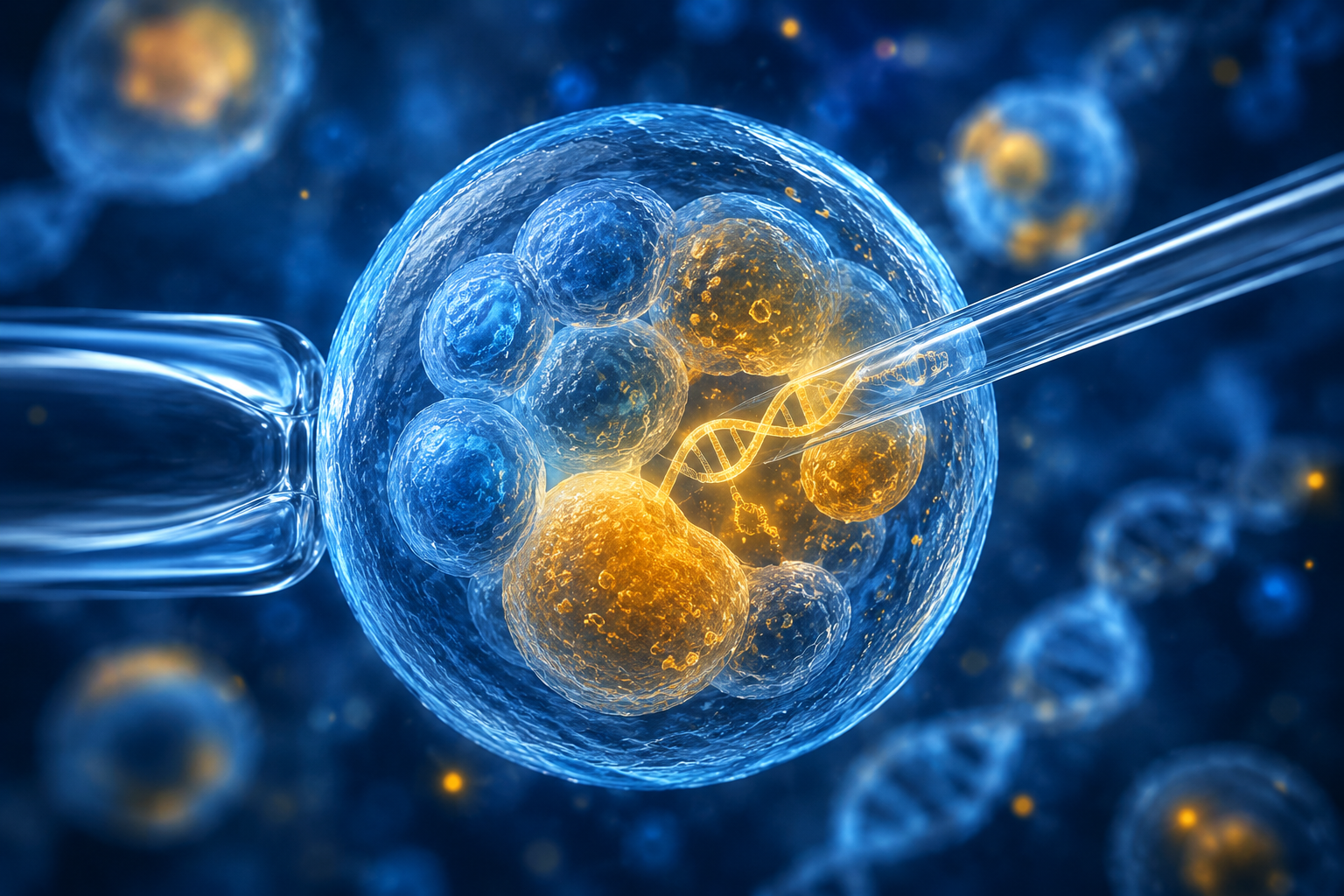
Researchers developed a stem cell derived human intestinal model that replicates the complex structure and cellular interactions of the gut. This technology allows for high throughput screening of compounds to identify potential therapies for IBD with greater precision than traditional animal models. Among the candidates tested, glycyrrhizin, a natural sweetener extracted from black licorice root, stood out for its therapeutic potential.
Clinical Significance
Glycyrrhizin is a triterpene glycoside known for its anti inflammatory, antiviral, and liver protective properties. Its mechanism of action involves modulating immune responses and reducing oxidative stress, both of which play critical roles in the development and progression of IBD. The compound’s multifaceted effects, targeting inflammation, oxidative damage, and gut microbiota, position it as a promising candidate for IBD therapy.
Deep Dive and Research Findings
The therapeutic potential of glycyrrhizin was evaluated in two experimental systems. In lab grown human intestinal tissues exposed to inflammatory conditions mimicking IBD, treatment with glycyrrhizin resulted in significant reductions in intestinal damage, including decreased cell death and preserved tissue integrity. In mouse models of chemically induced colitis, glycyrrhizin administration led to marked reductions in inflammation, as shown by lower levels of pro inflammatory cytokines and improved histological scores of intestinal tissue.
Researchers also identified glycyrrhizin’s mechanisms of action, including inhibition of NF κB, a key regulator of inflammation, reduction of reactive oxygen species production, and modulation of gut microbiota composition to promote a healthier microbial balance.
Future Outlook and Medical Implications
The findings open new avenues for the development of glycyrrhizin based therapies for IBD. While preclinical results are promising, further research is required to assess its safety, optimal dosing, and long term efficacy in humans. Scientists are also exploring synthetic derivatives of glycyrrhizin to enhance its therapeutic properties and minimize potential side effects, such as those associated with licorice consumption, including hypertension.
The study underscores the transformative potential of stem cell based models in drug discovery, offering a more efficient and human relevant approach to identifying treatments for complex diseases like IBD. If successful in clinical trials, glycyrrhizin could represent a novel, naturally derived therapeutic option for millions of patients worldwide suffering from this debilitating condition.
Patient or Practitioner Guidance
For now, experts caution against self medicating with black licorice or glycyrrhizin supplements for IBD, as their safety and efficacy in humans have not been established. Patients interested in emerging therapies should consult their healthcare providers and await results from ongoing clinical trials. The development of glycyrrhizin based treatments could provide an alternative for those who do not respond to existing IBD therapies or experience side effects from conventional medications.
Key Takeaways
- Glycyrrhizin, a compound in black licorice, has shown anti inflammatory effects in preclinical models of inflammatory bowel disease (IBD).
- The study used human intestinal models derived from stem cells, offering a more accurate representation of disease mechanisms than traditional animal models.
- Glycyrrhizin’s mechanisms include reducing oxidative stress, inhibiting NF κB, and modulating gut microbiota.
- Further research is needed to validate safety and efficacy in humans before clinical application.
- Synthetic derivatives of glycyrrhizin are being explored to enhance therapeutic benefits and minimize side effects.
Frequently Asked Questions
What is glycyrrhizin and where is it found?
Glycyrrhizin is a natural compound extracted from the root of the black licorice plant (Glycyrrhiza glabra). It is a triterpene glycoside known for its sweet taste and has been used historically in traditional medicine for its anti inflammatory and liver protective properties.
How does glycyrrhizin work against inflammatory bowel disease?
Glycyrrhizin exerts its effects through multiple pathways, including inhibition of NF κB (a key regulator of inflammation), reduction of oxidative stress, and modulation of gut microbiota composition. These actions help reduce intestinal damage and inflammation associated with IBD.
Are there any risks associated with consuming black licorice or glycyrrhizin?
Consuming large amounts of black licorice or glycyrrhizin supplements over time can lead to side effects such as hypertension, low potassium levels, and fluid retention due to glycyrrhizin’s effects on the body’s mineralocorticoid system. The FDA advises against excessive consumption, particularly for individuals with heart or kidney conditions.
What are the next steps in research for glycyrrhizin as an IBD treatment?
The next steps include clinical trials to assess the safety, optimal dosing, and long term efficacy of glycyrrhizin in humans. Researchers are also exploring synthetic derivatives of glycyrrhizin to enhance its therapeutic properties and reduce potential side effects.
Can patients with IBD start using black licorice or glycyrrhizin supplements now?
No. While preclinical results are promising, the safety and efficacy of glycyrrhizin for IBD have not been established in humans. Patients should consult their healthcare providers before considering any new treatments and await results from clinical trials.
Medical Review: MedSense Editorial Board








DISCUSSION (0)
POST A COMMENT