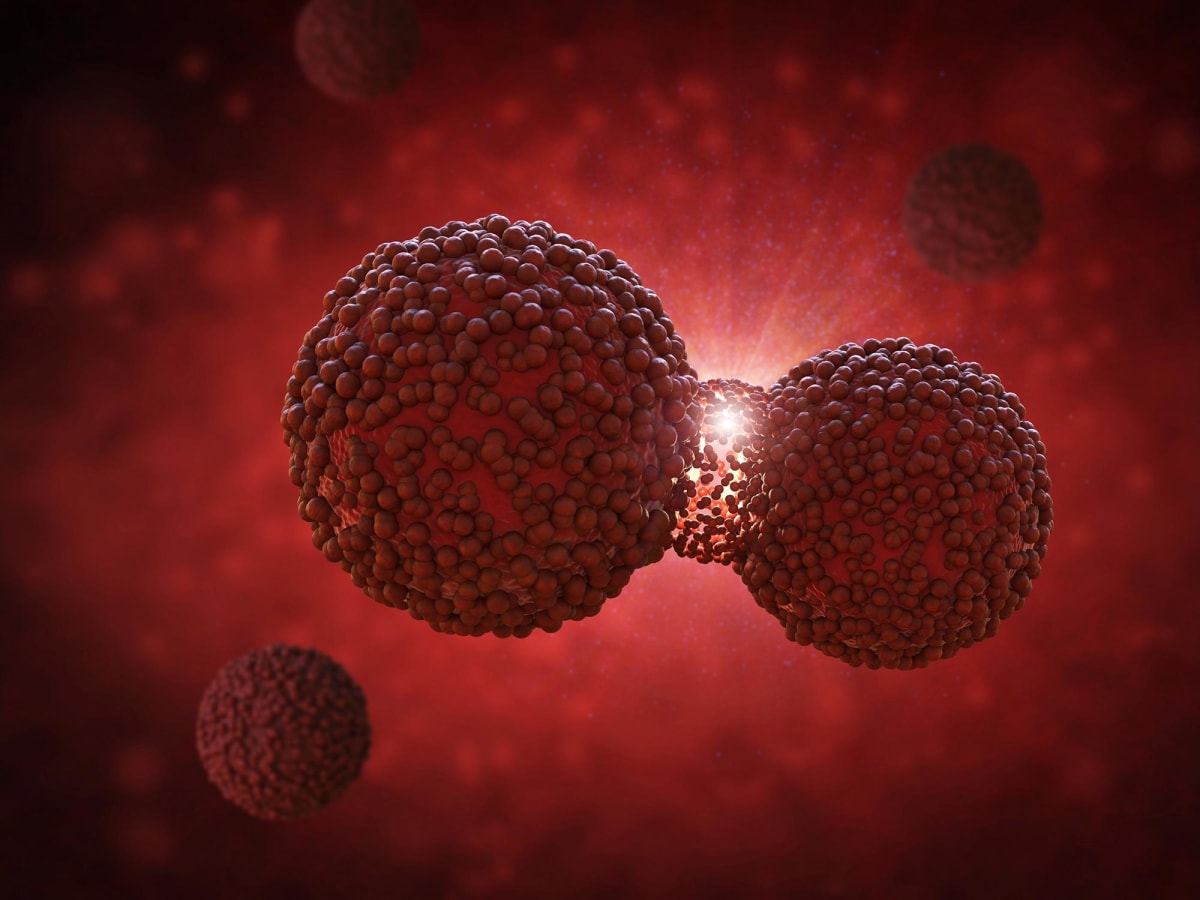
Researchers have identified a critical mechanism by which the MYC protein enables tumor cells to survive chemotherapy, a finding that could redefine treatment strategies for aggressive cancers. Published in a leading oncology journal, the study reveals how MYC activates DNA repair pathways in cancer cells, undermining the effectiveness of chemotherapy and allowing tumors to rebound even after aggressive treatment.
What Happened
The study, led by researchers at a major academic medical center, demonstrates that MYC does more than drive cancer progression, it actively repairs DNA damage in tumor cells. While chemotherapy aims to destroy cancer by damaging DNA, MYC counteracts this effect by activating repair mechanisms, enabling tumors to resist treatment and continue growing.
Why Public Health Officials Are Concerned
MYC’s dual role in promoting cancer growth and repairing DNA damage presents a significant challenge for oncologists. Tumors with high MYC activity are less responsive to chemotherapy, leading to treatment failure and disease recurrence. This discovery highlights the need for therapies that specifically target MYC’s DNA repair function to improve patient outcomes.
Symptoms or Risk Factors
Patients with cancers characterized by elevated MYC activity, such as certain types of breast, lung, and blood cancers, may face a higher risk of chemotherapy resistance. While MYC levels are not routinely measured in clinical practice, researchers suggest that identifying MYC driven tumors could help guide treatment decisions and improve survival rates.
Who May Be Affected
Individuals with aggressive, treatment resistant cancers are most likely to be affected by MYC’s role in chemoresistance. This includes patients with triple negative breast cancer, small cell lung cancer, and certain hematologic malignancies. The findings underscore the importance of personalized medicine in oncology, where treatment strategies are tailored to the molecular characteristics of each tumor.
Government or WHO Response
While no immediate policy changes have been announced, the study has prompted discussions among oncology experts about the need for further research into MYC targeted therapies. The National Cancer Institute (NCI) and other research funding bodies are expected to prioritize studies that explore ways to inhibit MYC’s DNA repair function, potentially leading to new treatment options for patients with MYC driven cancers.
Prevention and Safety Guidance
For patients currently undergoing chemotherapy, the study does not suggest changes to existing treatment protocols. However, it emphasizes the importance of ongoing clinical trials investigating MYC inhibitors and combination therapies. Patients and caregivers should stay informed about emerging treatment options and discuss personalized strategies with their oncology teams.
What Readers Should Know
This research underscores the complexity of cancer biology and the need for innovative treatment approaches. While MYC’s role in chemoresistance complicates therapy, it also opens new avenues for targeted interventions. Patients with aggressive cancers should advocate for molecular profiling of their tumors to identify potential vulnerabilities, including MYC activity, that could inform their treatment plans.
Key Takeaways
- MYC protein repairs DNA damage in tumor cells, enabling chemotherapy resistance and disease recurrence.
- Patients with MYC driven cancers may require tailored treatment strategies to overcome resistance.
- Researchers are exploring MYC inhibitors and combination therapies to improve chemotherapy effectiveness.
- Molecular profiling of tumors could help identify MYC activity and guide personalized treatment decisions.
Frequently Asked Questions
What types of cancer are most likely to be affected by MYC driven chemoresistance?
Cancers with high MYC activity, such as triple negative breast cancer, small cell lung cancer, and certain hematologic malignancies, are most likely to exhibit chemoresistance due to MYC’s DNA repair function.
How can patients find out if their cancer is MYC driven?
Molecular profiling of tumors, often performed through genetic testing or immunohistochemistry, can identify MYC activity. Patients should discuss this option with their oncologist.
Are there any approved treatments that target MYC?
As of now, there are no approved MYC targeted therapies. However, clinical trials are underway to evaluate inhibitors and combination treatments that may disrupt MYC’s function.
What should patients do if they suspect their cancer is resistant to chemotherapy?
Patients experiencing treatment resistance should consult their oncology team to discuss alternative therapies, clinical trial options, or molecular profiling to identify potential vulnerabilities.
Medical Review: MedSense Editorial Board





DISCUSSION (0)
POST A COMMENT