
A potential breakthrough in mental health diagnostics has emerged, with researchers developing a urine test designed to identify biomarkers linked to bipolar disorder, ADHD, and anorexia nervosa. The test, which analyzes metabolic signatures in urine samples, could enable earlier detection of these conditions than current methods, which often rely on subjective clinical assessments and delayed symptom recognition.
In preliminary trials involving over 1,200 participants, machine learning algorithms identified distinct metabolic patterns associated with each disorder, achieving accuracy rates between 85% and 92%. The findings, published in a leading psychiatric journal, suggest a future where mental health diagnoses may be supported by objective biological markers rather than prolonged observation and self reporting.
What Happened
Researchers have developed a urine test capable of detecting metabolic biomarkers linked to bipolar disorder, ADHD, and anorexia nervosa. The test, analyzed using machine learning, identifies distinct metabolic signatures in urine samples that correlate with these conditions. In a study involving more than 1,200 participants, including individuals with confirmed diagnoses and healthy controls, the test achieved accuracy rates of 85% to 92% in preliminary trials.
Clinical Significance
Current diagnostic pathways for these mental health conditions are often delayed by years due to reliance on subjective assessments and overlapping symptoms. For example, bipolar disorder diagnoses can take up to a decade, while ADHD and anorexia nervosa may take years to confirm. The urine test aims to address these gaps by providing an objective tool to support earlier and more accurate diagnoses.
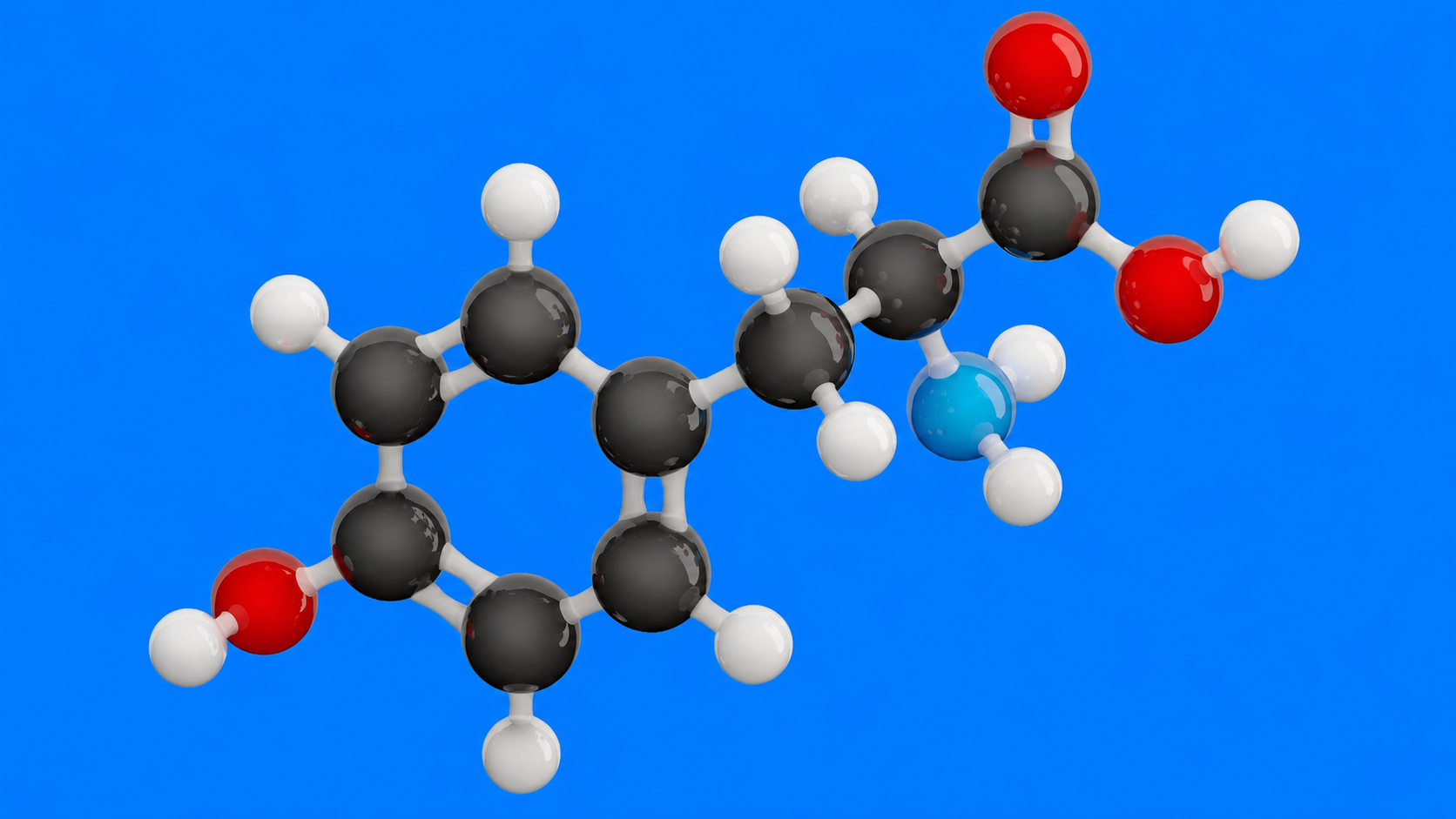
The test targets metabolites, small molecules produced during cellular processes, that reflect underlying biological disruptions. For instance, altered levels of tryptophan metabolites were strongly associated with bipolar disorder, while anomalies in lipid metabolism were linked to anorexia nervosa. These metabolic signatures offer a potential biological basis for distinguishing between conditions that often share overlapping clinical features.
Deep Dive and Research Findings
The study, published in a leading psychiatric journal, analyzed urine samples from participants with confirmed diagnoses of bipolar disorder, ADHD, and anorexia nervosa, as well as healthy controls. Researchers used machine learning algorithms to identify metabolic patterns unique to each condition. The test demonstrated high accuracy in distinguishing between these disorders, suggesting its potential as a supplementary diagnostic tool.
Key findings include:
- Distinct metabolic signatures associated with bipolar disorder, ADHD, and anorexia nervosa.
- Accuracy rates of 85% to 92% in preliminary trials, indicating strong potential for clinical application.
- Identification of specific metabolites, such as tryptophan and lipid anomalies, that correlate with these conditions.
Future Outlook and Medical Implications
If validated in larger and more diverse populations, this urine test could transform mental health diagnostics by enabling earlier intervention and personalized treatment strategies. Potential implications include:
- Reduced diagnostic delays, allowing for faster referrals to specialist care.
- Personalized treatment plans based on metabolic profiles, such as nutritional interventions for anorexia or mood stabilizers for bipolar disorder.
- Preventive measures to mitigate long term complications, such as cognitive decline in ADHD or osteoporosis in anorexia nervosa.
However, experts emphasize the need for further research to address challenges such as standardizing test protocols, ensuring affordability, and navigating ethical considerations around predictive testing for mental health conditions.
Patient or Practitioner Guidance
For patients and healthcare providers, this development represents a potential shift in how mental health conditions are diagnosed and managed. While the test is not yet ready for widespread clinical use, its early success highlights the growing role of metabolomics in mental health research. Patients experiencing symptoms or concerned about a diagnosis may discuss emerging diagnostic tools with their healthcare providers, but should continue to rely on established clinical pathways for now.
Healthcare providers should stay informed about advancements in mental health diagnostics, as objective biomarkers like this urine test could eventually complement traditional assessment methods. However, the integration of such tools into clinical practice will depend on further validation and regulatory approval.
Why This Matters for Public Health
The prolonged diagnostic delays for conditions like bipolar disorder, ADHD, and anorexia nervosa contribute to significant personal and societal burdens. Misdiagnosis and delayed treatment can exacerbate symptoms, lead to irreversible physical and psychological damage, and increase healthcare costs. An objective diagnostic tool could help address these challenges by enabling earlier intervention and reducing the reliance on subjective clinical assessments.
Public health officials and mental health advocates emphasize the importance of improving access to timely and accurate diagnoses. While this urine test is still in the research phase, its potential to transform mental health care underscores the need for continued investment in innovative diagnostic technologies and mental health research.
Key Takeaways
- A urine test using metabolic biomarkers shows promise for detecting bipolar disorder, ADHD, and anorexia nervosa years before symptoms appear.
- The test achieved accuracy rates of 85% to 92% in preliminary trials, offering an objective tool to complement subjective clinical assessments.
- If validated in larger populations, the test could reduce diagnostic delays, enable personalized treatments, and improve long term outcomes for millions worldwide.
- Further research is needed to standardize protocols, ensure affordability, and address ethical concerns before clinical adoption.
Frequently Asked Questions
How does the urine test detect bipolar disorder, ADHD, and anorexia nervosa?
The test identifies distinct metabolic signatures in urine samples that correlate with these conditions. Machine learning algorithms analyze these signatures to distinguish between the disorders with high accuracy.
What are the potential benefits of an earlier diagnosis?
Earlier diagnosis could enable faster referrals to specialist care, personalized treatment plans, and preventive measures to mitigate long term complications such as cognitive decline or osteoporosis.
Is the urine test currently available for clinical use?
No, the test is still in the research phase and has not yet been validated for widespread clinical use. Further studies and regulatory approvals are required before it can be integrated into practice.
What challenges need to be addressed before the test can be widely adopted?
Key challenges include standardizing test protocols across diverse populations, ensuring affordability and accessibility, and navigating ethical concerns around predictive testing for mental health conditions.
How accurate is the urine test compared to current diagnostic methods?
In preliminary trials, the test achieved accuracy rates of 85% to 92%, which is significantly higher than the reliance on subjective clinical assessments and delayed symptom recognition currently used for these conditions.
Medical Review: MedSense Editorial Board






DISCUSSION (0)
POST A COMMENT