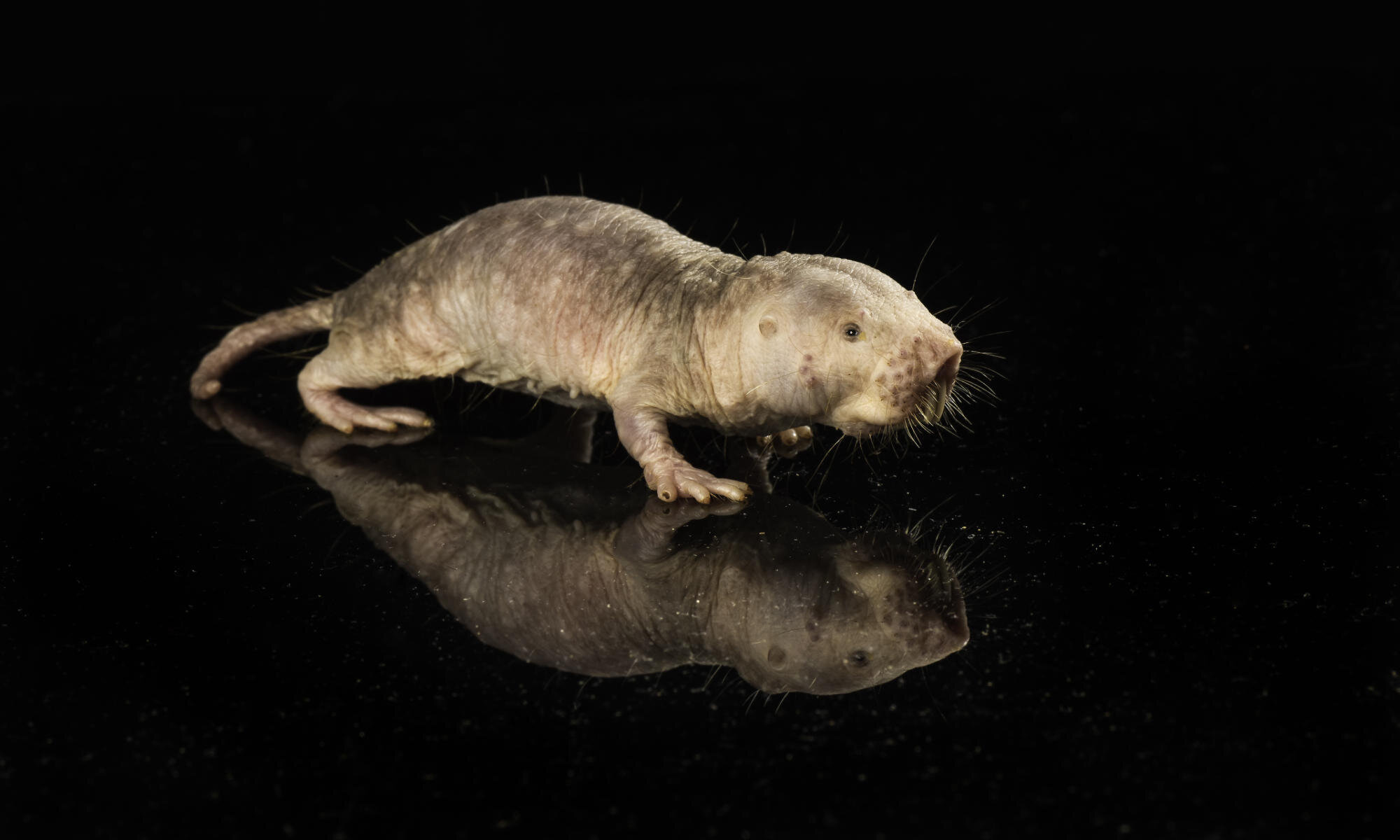
A gene borrowed from one of nature’s most resilient mammals has delivered a striking breakthrough in aging research, offering fresh insights into how lifespan and healthspan might be extended in humans. In a study published in Nature, researchers transferred the HAS2 gene from the naked mole rat, a rodent species that can live for more than three decades, into mice, resulting in measurable improvements in longevity and resistance to age related diseases.
The findings, though preliminary, underscore the potential of cross species genetic insights to illuminate pathways that could one day reshape how society approaches aging and chronic disease prevention.
What Happened
The study, led by scientists at the University of Rochester, focused on the HAS2 gene, which in naked mole rats drives the production of high molecular weight hyaluronic acid (HMW HA). This molecule is abundant in the rodents’ tissues and is believed to contribute to their extraordinary resistance to cancer and age related pathologies. When the gene was introduced into mice, the animals not only lived longer on average but also showed marked improvements in metabolic health, inflammation markers, and tumor resistance.
Clinical Significance
The research highlights a previously underappreciated role for HMW HA in regulating cellular aging and disease resistance. Unlike its lower molecular weight counterpart, HMW HA appears to suppress abnormal cell proliferation, reduce chronic inflammation, and support gut microbiome balance, all of which are critical factors in aging and longevity. The findings suggest that enhancing HMW HA production could represent a novel strategy for addressing age related conditions such as cancer, diabetes, and cardiovascular disease.
Deep Dive and Research Findings
In the experimental mice, the introduction of the HAS2 gene led to several key outcomes:
- An average lifespan extension of approximately 4.4%, with some individuals living significantly longer than controls.
- A 30% reduction in spontaneous tumor formation, aligning with the naked mole rat’s natural cancer resistance.
- Lower levels of inflammatory biomarkers, including interleukin 6 and tumor necrosis factor alpha, which are linked to chronic diseases.
- Improved glucose metabolism and maintenance of healthier body weights, suggesting potential benefits for metabolic disorders.
Researchers also observed enhanced gut microbiota composition in the modified mice, a factor increasingly recognized as a determinant of overall health and longevity.
Future Outlook and Medical Implications
While the study’s results are promising, experts caution that translating these findings into human therapies will require overcoming significant scientific and ethical hurdles. The naked mole rat’s biology is uniquely adapted to extreme longevity, and its mechanisms may not be fully replicable in humans. However, the discovery of HMW HA’s role opens new avenues for research into non genetic interventions, such as pharmaceuticals or dietary approaches, that could boost hyaluronic acid levels without genetic modification.
Collaborative efforts between geneticists, gerontologists, and clinicians will be essential to advancing this work. The ultimate goal is to develop safe, effective strategies that can extend healthspan, the period of life free from chronic disease, rather than merely increasing lifespan.
Patient or Practitioner Guidance
For now, the study’s primary value lies in its contribution to the scientific understanding of aging. Patients interested in longevity research should be aware that human applications remain years away and are not yet supported by clinical evidence. However, the findings reinforce the importance of maintaining healthy lifestyles, including balanced diets rich in nutrients that support extracellular matrix health, such as vitamin C and collagen precursors.
Clinicians should monitor emerging research on HMW HA and related pathways, as future therapies may emerge that target these mechanisms to prevent or delay age related diseases.
Who May Be Affected
The study’s implications are broad, potentially impacting:
- Aging populations at risk for chronic diseases such as cancer, diabetes, and cardiovascular disorders.
- Patients with metabolic or inflammatory conditions seeking novel therapeutic approaches.
- Healthcare systems preparing for the challenges of an aging global population.
- Researchers and biotechnology companies exploring longevity enhancing interventions.
Government or WHO Response
As of now, no government or international health organization has issued specific guidance related to this study. However, the World Health Organization has highlighted aging as a global priority, emphasizing the need for research into interventions that can extend healthspan and reduce the burden of age related diseases. The findings from this study may inform future public health strategies and research funding priorities.
Prevention and Safety Guidance
While the research is still in its early stages, individuals can take steps to support their own healthspan by:
- Adopting diets rich in antioxidants, fiber, and nutrients that support cellular health.
- Engaging in regular physical activity to maintain metabolic and cardiovascular health.
- Monitoring and managing chronic conditions such as diabetes and hypertension.
- Staying informed about advances in longevity research through reputable scientific sources.
What Readers Should Know
This study represents a significant milestone in the quest to understand and potentially manipulate the biological mechanisms of aging. While the transfer of a naked mole rat gene into mice is a long way from human therapies, it provides critical insights into how extracellular matrix components like HMW HA influence health and longevity. The research underscores the value of studying exceptionally long lived organisms to uncover novel pathways for disease prevention and healthy aging.
For now, the focus remains on rigorous, translational research to ensure that any future interventions are both safe and equitable. The scientific community’s next steps will likely involve exploring non genetic methods to enhance HMW HA production and investigating its role in human tissues.
Key Takeaways
- A gene from the naked mole rat, which produces high molecular weight hyaluronic acid (HMW HA), extended lifespan and improved health in mice by reducing cancer risk, inflammation, and metabolic dysfunction.
- HMW HA appears to act as a natural inhibitor of abnormal cell growth and chronic inflammation, two key drivers of age related diseases.
- While human applications are not yet feasible, the findings open new avenues for research into longevity enhancing interventions, including pharmaceutical and dietary strategies.
- The study highlights the importance of studying exceptionally long lived organisms to uncover biological mechanisms that could inform human health.
- Translating these findings into clinical practice will require overcoming significant scientific, ethical, and regulatory challenges.
Frequently Asked Questions
What is the HAS2 gene, and why is it significant in aging research?
The HAS2 gene is responsible for producing high molecular weight hyaluronic acid (HMW HA), a molecule that plays a key role in tissue structure, hydration, and immune regulation. In naked mole rats, high levels of HMW HA are linked to their exceptional longevity and resistance to cancer and age related diseases. The gene’s transfer into mice demonstrated that enhancing HMW HA production can extend lifespan and improve healthspan.
How did the modified mice in the study benefit from the HAS2 gene?
The mice engineered to express the HAS2 gene showed an average lifespan extension of about 4.4%, a reduction in spontaneous tumors, lower levels of inflammatory biomarkers, and improved metabolic health, including better glucose regulation and body weight maintenance.
Could this research lead to human therapies for aging or age related diseases?
While the findings are promising, significant challenges remain before such therapies could be developed for humans. These include safe and efficient delivery mechanisms, long term safety assessments, and regulatory approval. Researchers are now exploring whether enhancing HMW HA levels in humans through non genetic means could replicate these benefits.
What are the potential risks or ethical concerns associated with this research?
Ethical considerations include the societal impacts of extended lifespans, such as resource allocation and overpopulation. Scientifically, there are risks of unintended consequences, such as uncontrolled cell growth or immune reactions. Rigorous clinical trials and regulatory oversight will be essential to address these concerns.
How can individuals support their own healthspan while waiting for potential future therapies?
Maintaining a balanced diet rich in antioxidants, fiber, and nutrients that support cellular health, engaging in regular physical activity, and managing chronic conditions such as diabetes and hypertension can all contribute to better healthspan. Staying informed about advances in longevity research through reputable sources is also recommended.
Medical Review: MedSense Editorial Board









DISCUSSION (0)
POST A COMMENT