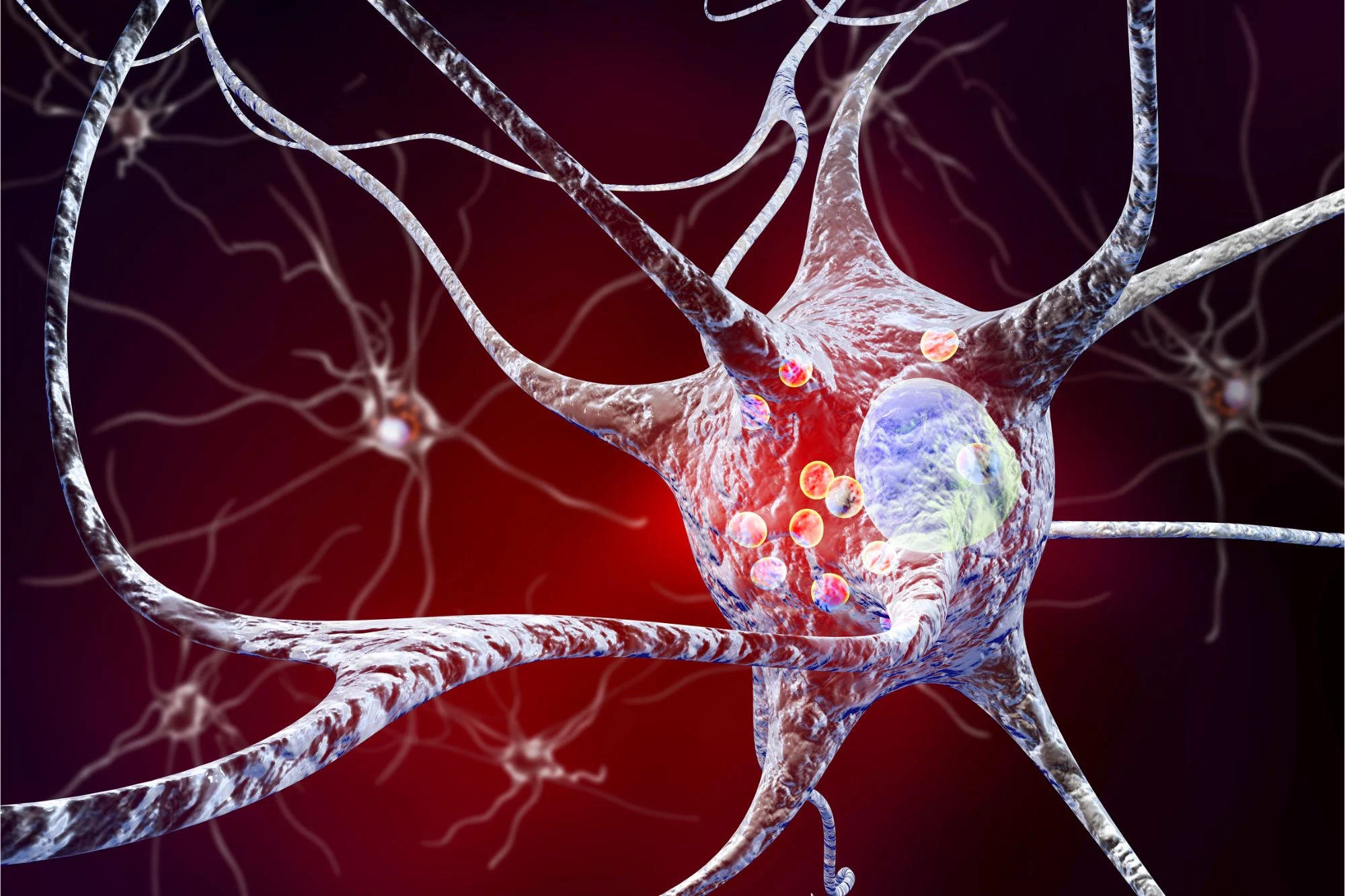
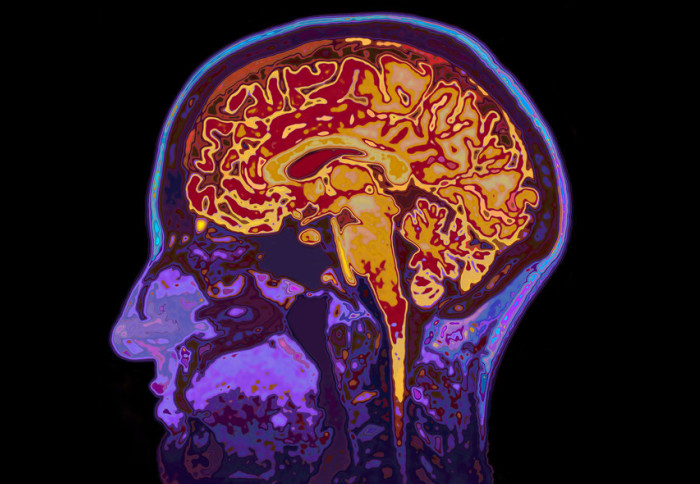
A previously uncharted neural circuit connecting the brainstem to the spinal cord has been implicated in both Parkinson’s disease and alcohol use disorder, according to a study published in Nature Neuroscience. The research reveals how a pathway tied to survival instincts may, when disrupted, contribute to motor dysfunction in Parkinson’s and compulsive drinking behaviors in alcohol use disorder.
What Happened
Using advanced imaging and genetic models, a team of neuroscientists traced the activity of a neural circuit that regulates both motor function and reward processing. The pathway, previously linked to basic survival mechanisms such as the fight or flight response, was found to play a dual role in conditions long considered unrelated. When this circuit is impaired, it may trigger the tremors and rigidity seen in Parkinson’s disease or the loss of control over alcohol consumption in alcohol use disorder.
Why Public Health Officials Are Concerned
The discovery challenges existing paradigms by suggesting that two seemingly distinct disorders may share a common neurobiological root. Public health experts note that this overlap could reshape treatment strategies, particularly for patients who present with both conditions. The findings also raise questions about whether other neurological or psychiatric disorders might involve similar shared pathways, warranting further investigation.
Symptoms or Risk Factors
While Parkinson’s disease and alcohol use disorder manifest differently, both conditions involve dysregulation of the newly identified neural circuit. In Parkinson’s, symptoms include tremors, stiffness, and balance problems, which may stem from impaired dopamine signaling within this pathway. For alcohol use disorder, the circuit’s hyperactivity could reinforce compulsive drinking despite negative consequences, making cessation efforts particularly challenging.
Who May Be Affected
Individuals with Parkinson’s disease, particularly those in advanced stages, may experience worsening motor symptoms linked to this neural disruption. Similarly, people with alcohol use disorder, especially those with a long history of heavy drinking, could face heightened difficulty in controlling their intake due to the circuit’s role in reward processing. The study suggests that genetic predispositions or environmental stressors may increase susceptibility to dysfunction in this pathway.
Government or WHO Response
The World Health Organization (WHO) has not yet issued a formal response to the study, but researchers are calling for increased funding to explore this pathway as a therapeutic target. Public health agencies may prioritize further research into how lifestyle factors, such as alcohol consumption, interact with neurodegenerative processes in Parkinson’s disease. The findings could also influence guidelines for managing dual diagnoses of neurological and substance use disorders.
Prevention and Safety Guidance
While the study does not yet provide direct prevention strategies, it underscores the importance of early intervention for both Parkinson’s disease and alcohol use disorder. For Parkinson’s, maintaining overall brain health through physical activity and a balanced diet may help slow progression. For alcohol use disorder, limiting intake and seeking behavioral support can reduce the risk of reinforcing maladaptive reward pathways. Clinicians are encouraged to screen for overlapping symptoms in patients with either condition.
What Readers Should Know
This research marks a significant step toward understanding the shared neurobiology of Parkinson’s disease and alcohol use disorder. While current treatments focus on symptom management, targeting this neural circuit could lead to therapies that address the root causes of both conditions. Patients and families affected by these disorders should stay informed about emerging clinical trials and consult healthcare providers about personalized treatment options.
Key Takeaways
- A newly identified neural circuit connecting the brainstem to the spinal cord regulates both motor control and reward seeking behavior.
- Dysregulation in this pathway may contribute to the motor symptoms of Parkinson’s disease and the compulsive drinking behaviors seen in alcohol use disorder.
- The discovery could lead to targeted therapies that address the underlying neurobiology of both conditions, rather than just managing symptoms.
- Public health experts emphasize the need for further research into shared neural mechanisms across neurological and psychiatric disorders.
Frequently Asked Questions
How does this neural pathway contribute to Parkinson’s disease?
The pathway, which is involved in motor control, may become impaired due to the degeneration of dopamine producing neurons in Parkinson’s disease. This disruption can lead to the tremors, stiffness, and balance issues characteristic of the condition.
Could this discovery lead to new treatments for alcohol use disorder?
Researchers believe that targeting this neural circuit could help regulate the reward seeking behaviors that drive compulsive drinking. Clinical trials are needed to determine the efficacy of such interventions.
Are there any lifestyle changes that can help protect this neural pathway?
While more research is needed, maintaining overall brain health through regular physical activity, a balanced diet, and limiting alcohol consumption may help reduce the risk of dysfunction in this pathway.
How will this study impact current treatment approaches for Parkinson’s disease?
Current treatments for Parkinson’s focus on managing symptoms, such as tremors and rigidity. This discovery could pave the way for therapies that target the underlying neural circuit, potentially offering more effective long term solutions.
Medical Review: MedSense Editorial Board





DISCUSSION (0)
POST A COMMENT