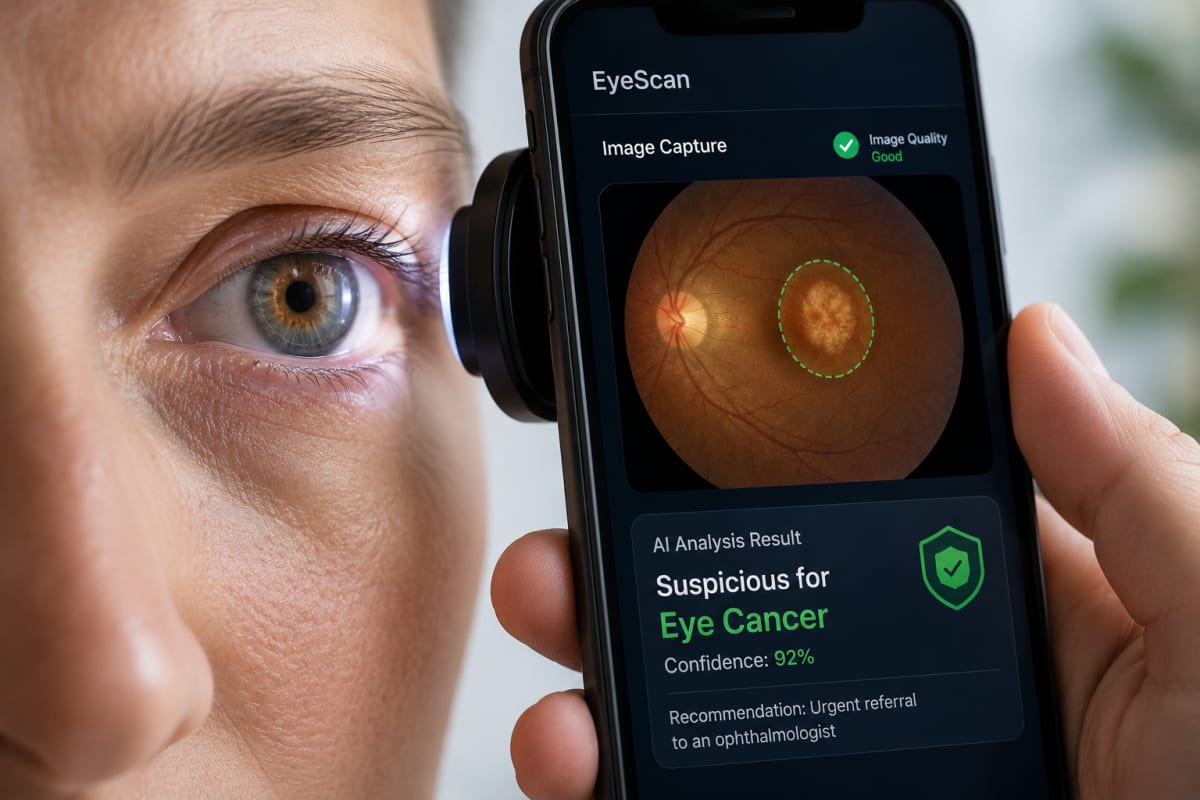
In a major leap for early cancer detection, researchers have developed a smartphone based artificial intelligence application capable of identifying eye surface cancers with accuracy rivaling that of trained specialists. The technology not only flags suspicious lesions in photographs but also uncovers previously missed cases, offering a potential lifeline for patients in regions where ophthalmic expertise remains scarce. With eye cancers often progressing silently until advanced stages, this innovation could dramatically shorten diagnostic delays and improve survival outcomes worldwide. The app, still in research phases, represents a convergence of mobile health and machine learning that may soon redefine how primary care providers, optometrists, and even patients themselves screen for ocular malignancies. Its ability to streamline referrals to specialist care could prove particularly transformative in low resource settings, where access to ophthalmologists remains limited.
Clinical Significance
Ocular surface squamous neoplasia OSSN, which includes conjunctival and corneal cancers, often presents with subtle early symptoms that patients and even general practitioners may overlook. By the time lesions become visibly concerning, the disease may have advanced to stages requiring aggressive treatment. This AI tool addresses a critical gap in early detection by providing an accessible, non invasive screening method that does not rely on specialized equipment or clinical expertise.
The implications extend beyond individual patient care. In many parts of the world, particularly in rural or underserved communities, ophthalmologists are in short supply. A smartphone based diagnostic aid could empower primary care physicians, optometrists, and community health workers to identify high risk cases earlier, ensuring timely referrals to tertiary centers. This democratization of diagnostic capability could help reduce disparities in cancer outcomes between high and low income regions.
Deep Dive and Research Findings
The AI model was trained on thousands of annotated images of ocular surface lesions, learning to distinguish between benign conditions like pterygium or pinguecula and malignant or pre malignant growths. In validation studies, the app demonstrated sensitivity and specificity rates comparable to those of fellowship trained ocular oncologists. Notably, it also identified several cases that had been missed during initial clinical evaluations, suggesting its potential as a second opinion tool even in well resourced settings.
One of the most promising aspects of the technology is its integration with existing smartphone cameras. Users simply take a photograph of the eye under standard lighting conditions, and the app analyzes the image within seconds. The system flags suspicious areas and provides a risk assessment, which can then be shared with an ophthalmologist for further evaluation. This workflow eliminates the need for specialized imaging devices, making it feasible for use in clinics, mobile health units, or even patient initiated screenings.
Future Outlook and Medical Implications
While the app is not yet available for public use, its developers are working toward regulatory approval and clinical integration. The next phase of research will likely focus on real world validation, assessing how the tool performs across diverse populations, lighting conditions, and camera types. There is also potential to expand its capabilities to detect other ocular pathologies, such as diabetic retinopathy or glaucoma, further broadening its public health impact.
For healthcare systems, the adoption of such AI tools could lead to significant cost savings by reducing unnecessary referrals and enabling earlier, less invasive treatments. For patients, the benefits are even more profound: earlier detection of eye cancers can preserve vision, reduce the need for extensive surgery, and improve long term survival rates. In regions where patients may travel hundreds of miles to see an eye specialist, this technology could mean the difference between early intervention and irreversible damage.
Patient or Practitioner Guidance
For patients concerned about eye health, this app should not replace regular eye examinations by a qualified professional. However, it may serve as a valuable supplementary tool, particularly for those with risk factors such as prolonged UV exposure, a history of skin cancer, or immunosuppression. Individuals noticing persistent redness, growths, or changes in vision should still seek prompt evaluation by an ophthalmologist.
For healthcare providers, particularly those in primary care or optometry, this technology could enhance clinical decision making. While the app does not provide a definitive diagnosis, its risk assessments can help prioritize referrals and ensure that high risk patients receive timely specialist care. As with any diagnostic aid, clinicians should use the tool in conjunction with their clinical judgment and patient history.
Researchers emphasize that the app is designed to augment, not replace, human expertise. Its true value lies in its ability to extend the reach of specialists, making high quality eye cancer screening accessible to millions who currently lack it.
Key Takeaways
- A new AI powered smartphone app detects eye surface cancers with near specialist accuracy, potentially transforming early diagnosis globally.
- The technology could bridge gaps in access to ophthalmic care, particularly in low resource settings where specialists are scarce.
- While promising, the app is not yet publicly available and should complement, not replace, professional medical evaluation.
- Early detection of ocular cancers can preserve vision, reduce treatment complexity, and improve survival outcomes.
Frequently Asked Questions
How accurate is the AI app in detecting eye cancers?
In research settings, the app demonstrated accuracy comparable to that of trained ocular oncologists, with high sensitivity and specificity for identifying malignant or pre malignant lesions.
Can I use this app to check for eye cancer at home?
The app is still in the research phase and not yet available for public use. Even when approved, it should be used as a supplementary tool alongside professional medical evaluation, not as a replacement.
What types of eye cancers can the app detect?
The current version focuses on ocular surface squamous neoplasia, which includes cancers of the conjunctiva and cornea. Future iterations may expand to detect other ocular conditions.
Will this app reduce the need for eye specialists?
No. The app is designed to assist primary care providers and optometrists in identifying high risk cases, ensuring that patients who need specialist care are referred promptly. It does not replace the expertise of ophthalmologists or ocular oncologists.
When will the app be available for use?
The app is still undergoing validation and regulatory review. There is no confirmed timeline for public release, but developers are working toward clinical integration in the coming years.
Medical Review: MedSense Editorial Board


















DISCUSSION (0)
POST A COMMENT