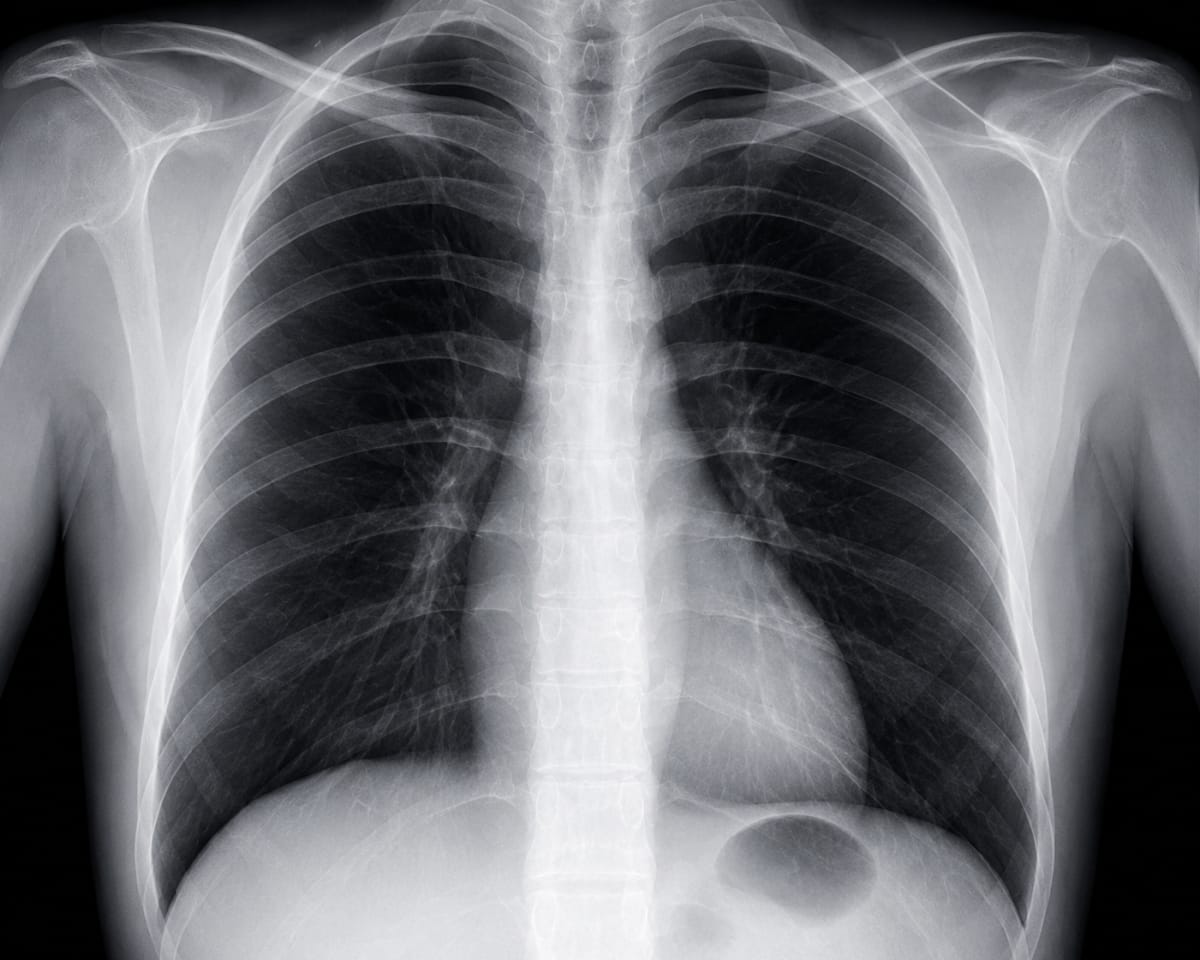
In a move that could reshape radiology workflows, the U.S. Food and Drug Administration has granted breakthrough device designation to two generative artificial intelligence tools designed to interpret chest X rays and generate preliminary radiology reports. The decision signals growing regulatory confidence in AI’s potential to enhance diagnostic efficiency while maintaining clinical accuracy. With radiology departments worldwide facing mounting backlogs and staffing shortages, these tools may offer a timely solution, but experts caution that rigorous validation remains essential before widespread adoption.
Clinical Significance
The FDA’s breakthrough designation accelerates the development and review of technologies that address unmet medical needs or offer significant advantages over existing standards. For radiology, where delays in report turnaround can impact patient outcomes, AI driven tools could reduce bottlenecks by automating initial interpretations. This is particularly critical in emergency settings, where timely diagnosis of conditions like pneumonia, lung nodules, or pleural effusions can be lifesaving.
Generative AI in this context does not replace radiologists but acts as a decision support tool. By drafting reports, these systems may allow specialists to focus on complex cases, reducing fatigue and improving overall productivity. However, the technology’s ability to match human level accuracy in detecting subtle abnormalities remains under scrutiny.
Deep Dive and Research Findings
The two devices granted breakthrough status leverage generative AI to analyze chest X rays and produce structured radiology reports. While specific technical details remain proprietary, the underlying models likely rely on deep learning algorithms trained on vast datasets of annotated medical images. These systems are designed to identify patterns, flag potential abnormalities, and generate narrative summaries that align with clinical reporting standards.
Early studies suggest AI can achieve high sensitivity in detecting common thoracic conditions, such as fractures, masses, or fluid accumulation. However, challenges persist in ensuring consistency across diverse patient populations and imaging equipment. False positives or missed findings could have serious implications, underscoring the need for robust validation before clinical integration.
Future Outlook and Medical Implications
The FDA’s decision reflects a broader trend toward embracing AI in diagnostic medicine. If these tools demonstrate reliability in real world settings, they could become standard in radiology departments within the next few years. Beyond efficiency gains, AI assisted reporting may also help standardize terminology and reduce variability in interpretations among radiologists.
Regulatory approval, however, is only the first step. Long term success will depend on transparency in algorithm performance, continuous monitoring for bias, and seamless integration into existing electronic health record systems. Professional societies, including the American College of Radiology, have emphasized the importance of maintaining human oversight in diagnostic workflows.
Patient or Practitioner Guidance
For radiologists, these AI tools represent an opportunity to streamline workflows but should be viewed as assistants rather than replacements. Clinicians should remain vigilant in reviewing AI generated reports, particularly for nuanced or ambiguous findings. Hospitals considering adoption should prioritize systems with proven accuracy, clear documentation of limitations, and mechanisms for clinician feedback.
Patients, meanwhile, can expect faster report turnaround times but should not assume AI interpretations are infallible. As with any diagnostic tool, follow up discussions with healthcare providers remain essential for accurate diagnosis and treatment planning.
Key Takeaways
- The FDA has granted breakthrough designation to two generative AI tools for interpreting chest X rays and drafting radiology reports, expediting their development and review.
- These AI systems aim to improve diagnostic efficiency by automating initial interpretations, potentially reducing backlogs in radiology departments.
- While promising, the technology requires rigorous validation to ensure accuracy, consistency, and clinical safety before widespread adoption.
- Radiologists should use AI as a decision support tool, maintaining oversight to verify findings and address complex cases.
- Patients may benefit from faster report turnaround but should continue to rely on healthcare providers for final diagnoses and treatment decisions.
Frequently Asked Questions
What does the FDA’s breakthrough designation mean for these AI tools?
The breakthrough designation is a program that accelerates the development and review of medical devices that provide more effective treatment or diagnosis for life threatening or irreversibly debilitating conditions. For these AI tools, it means they will receive priority review and closer collaboration with the FDA to address regulatory requirements, potentially speeding up their path to market.
Will AI replace radiologists in interpreting chest X rays?
No, these AI tools are designed to assist radiologists, not replace them. They can help draft preliminary reports and flag potential abnormalities, allowing radiologists to focus on complex cases and reduce workload. Human oversight remains critical for ensuring diagnostic accuracy.
How accurate are AI tools in interpreting chest X rays?
Early studies suggest AI can achieve high sensitivity in detecting common thoracic conditions, but accuracy varies depending on the specific tool, training data, and patient population. Ongoing validation is necessary to ensure reliability, particularly for subtle or rare findings.
What are the potential risks of using AI in radiology?
Potential risks include false positives or negatives, which could lead to misdiagnosis or delayed treatment. There are also concerns about algorithmic bias, particularly if the training data does not represent diverse patient populations. Continuous monitoring and clinician oversight are essential to mitigate these risks.
When might these AI tools become available for clinical use?
The timeline for clinical availability depends on the completion of clinical trials, regulatory approval, and integration into hospital systems. Given the FDA’s breakthrough designation, these tools could reach the market within the next few years if they demonstrate safety and efficacy in real world settings.
Medical Review: MedSense Editorial Board



















DISCUSSION (0)
POST A COMMENT