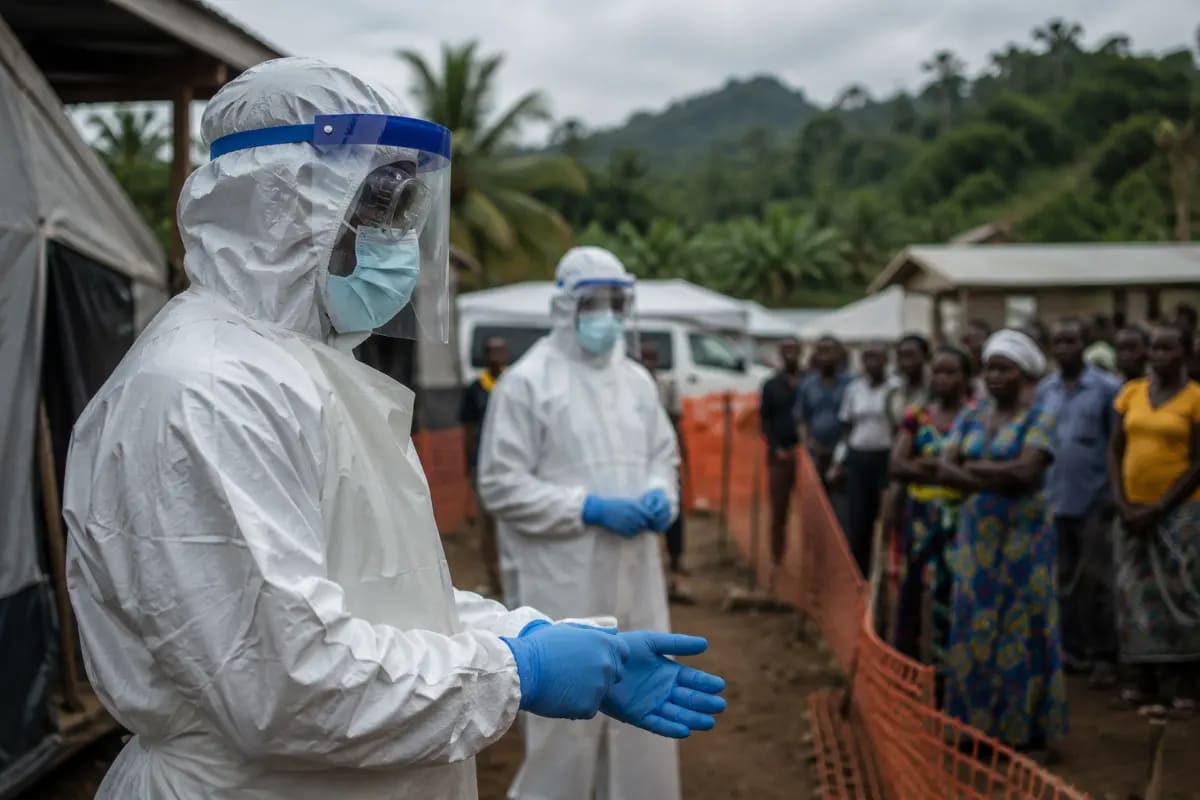
The Democratic Republic of Congo is grappling with its deadliest Ebola outbreak on record, with 2,325 deaths confirmed since May 15. The crisis has now surpassed the toll of the 2018 2020 epidemic, marking it as the most severe and rapidly escalating outbreak in the country's history. Health officials cite persistent challenges, including conflict, vaccine hesitancy, and logistical barriers, as key factors fueling the spread of the virus.
What We Know
The Ebola outbreak in the Democratic Republic of Congo has claimed 2,325 lives since it was declared on May 15, making it the deadliest in the country's history. The World Health Organization reports that the death toll has now exceeded that of the 2018 2020 outbreak, which resulted in 2,280 fatalities. Cases continue to rise at an alarming rate, with over 3,500 infections confirmed across multiple provinces.
Health authorities describe the situation as a "perfect storm" of challenges. Armed conflict in affected regions has disrupted vaccination campaigns and medical access, while deep seated mistrust of healthcare workers has led to vaccine hesitancy. Additionally, logistical hurdles, including poor infrastructure and limited resources, have hampered response efforts.
Why This Matters
Ebola, a highly contagious virus with a fatality rate of up to 90%, poses a severe threat to global health security. The DRC's struggle to contain the outbreak raises concerns about the potential for cross border spread, particularly to neighboring countries with fragile healthcare systems. The WHO has warned that the risk of regional transmission remains high, given the porous borders and frequent population movement in Central Africa.
The current outbreak also underscores the broader challenges of responding to infectious diseases in conflict zones. The DRC has faced repeated Ebola epidemics in recent years, but the combination of violence, misinformation, and weak health infrastructure has made this crisis particularly difficult to control. Experts fear that without sustained international support, the virus could become endemic in the region.
Response Efforts
International organizations, including the WHO, Médecins Sans Frontières, and the Africa Centres for Disease Control and Prevention, are scaling up their response. Efforts include deploying medical teams, distributing protective equipment, and expanding vaccination campaigns using the experimental Ervebo vaccine, which has shown high efficacy in previous outbreaks.
However, response teams face significant obstacles. In some areas, healthcare workers have been attacked by armed groups, forcing the suspension of critical operations. Community engagement remains a priority, with local leaders and health officials working to counter misinformation and encourage vaccination. Despite these efforts, only about 60% of eligible individuals in high risk zones have been vaccinated, far below the target needed to achieve herd immunity.
What's Next
The DRC government, in collaboration with international partners, is racing to contain the outbreak before it spreads further. Plans include expanding vaccination coverage, strengthening surveillance systems, and improving healthcare infrastructure in affected regions. The WHO has also called for increased funding, warning that the response is severely under resourced.
Public health experts emphasize the need for a coordinated global response to prevent the outbreak from spiraling out of control. Without urgent action, the DRC's Ebola crisis could have devastating consequences for the region and beyond.
Key Takeaways
- The DRC's current Ebola outbreak is the deadliest in the country's history, with 2,325 deaths reported since May 15.
- Conflict, vaccine hesitancy, and logistical challenges are fueling the rapid spread of the virus, complicating response efforts.
- International organizations are scaling up interventions, but funding gaps and security risks threaten progress.
Frequently Asked Questions
What is Ebola, and how does it spread?
Ebola is a severe, often fatal illness caused by the Ebola virus. It spreads through direct contact with bodily fluids of infected people or contaminated surfaces. Symptoms include fever, fatigue, muscle pain, and internal bleeding.
Is there a vaccine for Ebola?
Yes, the Ervebo vaccine has been approved for use and has shown high efficacy in preventing Ebola. It is being deployed in the DRC, but vaccination rates remain low due to logistical and social challenges.
What are the biggest challenges in controlling this outbreak?
Key challenges include armed conflict disrupting medical access, vaccine hesitancy driven by misinformation, and weak healthcare infrastructure in affected regions.
Published by O. Ayodeji | Review by MedSense Editorial Board




















DISCUSSION (0)
POST A COMMENT