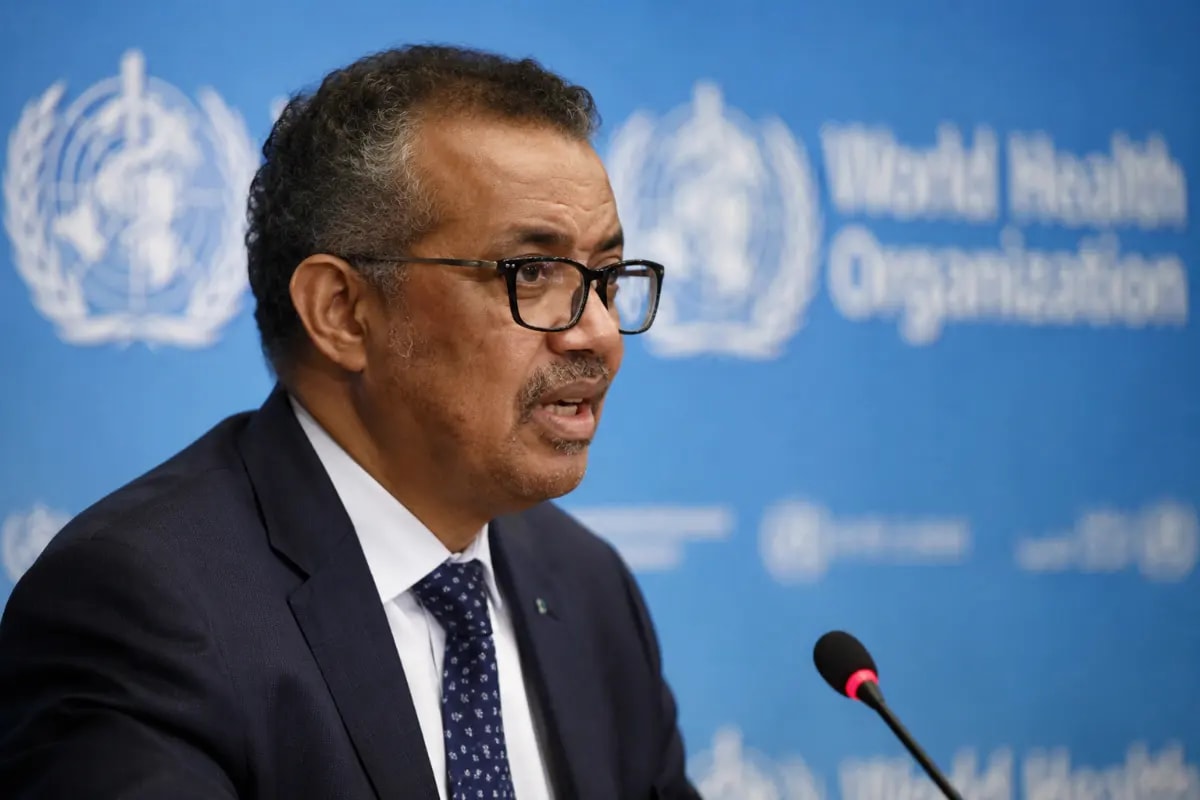
The World Health Organization has documented more than 10,400 attacks on healthcare facilities across 29 countries since 2018, resulting in nearly 5,700 deaths and over 8,000 injuries. Nigeria is among the nations most affected, alongside conflict zones like Ukraine, Sudan, and the occupied Palestinian territory. In the first eight months of 2026 alone, over 900 attacks were recorded, highlighting an escalating crisis that threatens global health security and access to medical care.
What We Know
The World Health Organization has released alarming data showing a sustained and deadly pattern of attacks on healthcare facilities worldwide. Since 2018, more than 10,400 incidents have been reported across 29 countries and territories, with Nigeria identified as one of the hardest hit nations. These attacks have claimed approximately 5,700 lives and left over 8,000 people injured.
The latest figures, covering January to August 2026, reveal no signs of abatement. Over 900 attacks occurred in this period alone, resulting in at least 900 deaths and 1,400 injuries. The WHO update underscores a grim reality where hospitals, clinics, and medical workers are increasingly targeted in conflict zones and fragile states.
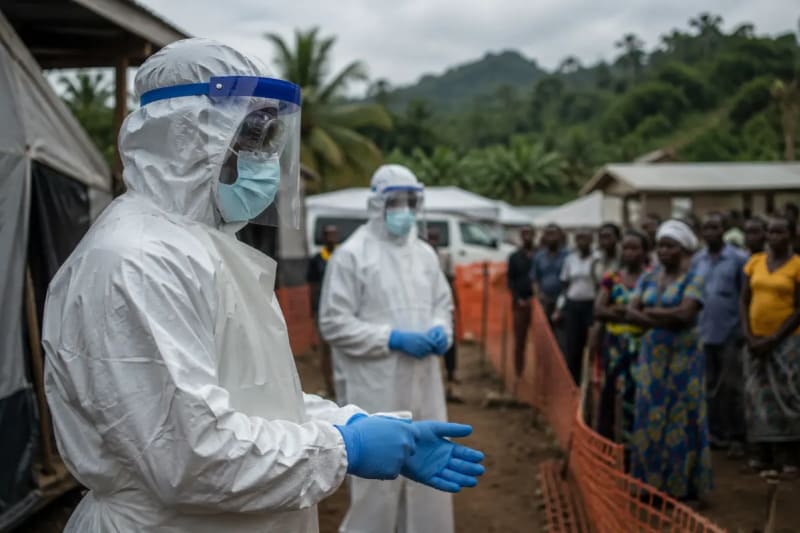
Countries most affected include Ukraine, Lebanon, the occupied Palestinian territory, Myanmar, Iran, Sudan, the Democratic Republic of the Congo, South Sudan, Russia, and Syria. In Nigeria, persistent insecurity in regions like the northeast has repeatedly disrupted healthcare delivery, with armed groups and criminal elements frequently attacking medical facilities and personnel.
Why This Matters
Attacks on healthcare represent more than isolated incidents of violence. They constitute a direct assault on one of the most fundamental human rights: access to medical care. When hospitals are bombed, clinics looted, or health workers kidnapped, entire communities lose critical services, often during moments of greatest need. The consequences extend far beyond immediate casualties, deepening public health crises and undermining long term health system resilience.
In conflict affected regions, these attacks exacerbate existing vulnerabilities. Displaced populations, already struggling with limited resources, face heightened risks of disease outbreaks, maternal mortality, and untreated chronic conditions. The WHO has repeatedly warned that such violence violates international humanitarian law, which explicitly protects medical facilities and personnel during armed conflicts.
The global pattern also reveals a troubling trend: healthcare is increasingly weaponized. In some contexts, hospitals are targeted to destabilize communities or punish perceived opposition. In others, medical workers are threatened or killed for providing care to all sides of a conflict, regardless of political or ethnic affiliations. This erosion of medical neutrality has profound implications for trust in health systems and the safety of those who deliver care.
Public Health Impact
The ripple effects of healthcare attacks are devastating and long lasting. In Nigeria, for example, repeated assaults on health facilities in Borno and Yobe states have forced the closure of dozens of clinics, leaving millions without access to essential services. Similar patterns are observed in Sudan, where ongoing conflict has destroyed or damaged over 70% of health facilities in Khartoum and Darfur, according to the WHO.
Beyond immediate service disruptions, these attacks contribute to a broader collapse of health infrastructure. Medical supply chains are severed, vaccination campaigns halted, and routine care for conditions like HIV, tuberculosis, and diabetes interrupted. The psychological toll on health workers is equally severe, with many reporting burnout, trauma, and fear for their safety. This brain drain further weakens already fragile health systems, creating a vicious cycle of decline.
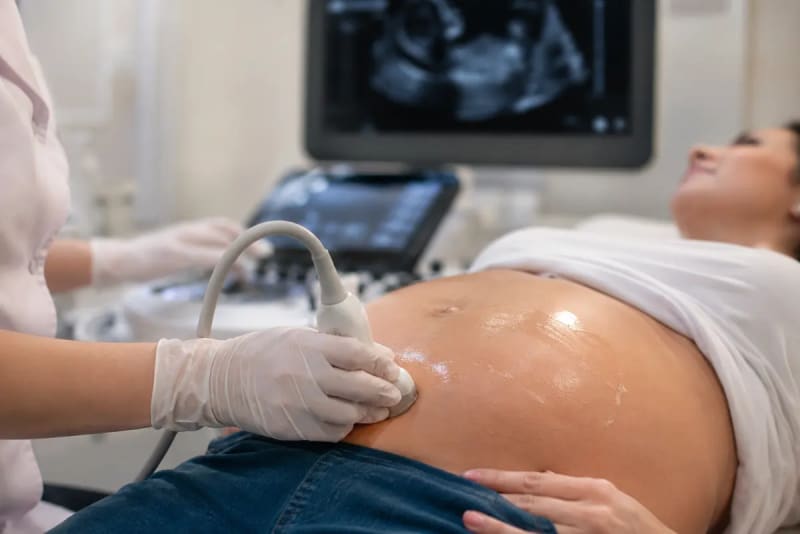
Children and women are disproportionately affected. In conflict zones, maternal and child health services are often the first to be disrupted, leading to spikes in preventable deaths. The WHO estimates that for every attack on a healthcare facility, thousands of people may lose access to lifesaving care, with vulnerable groups bearing the brunt of the impact.
Response Efforts
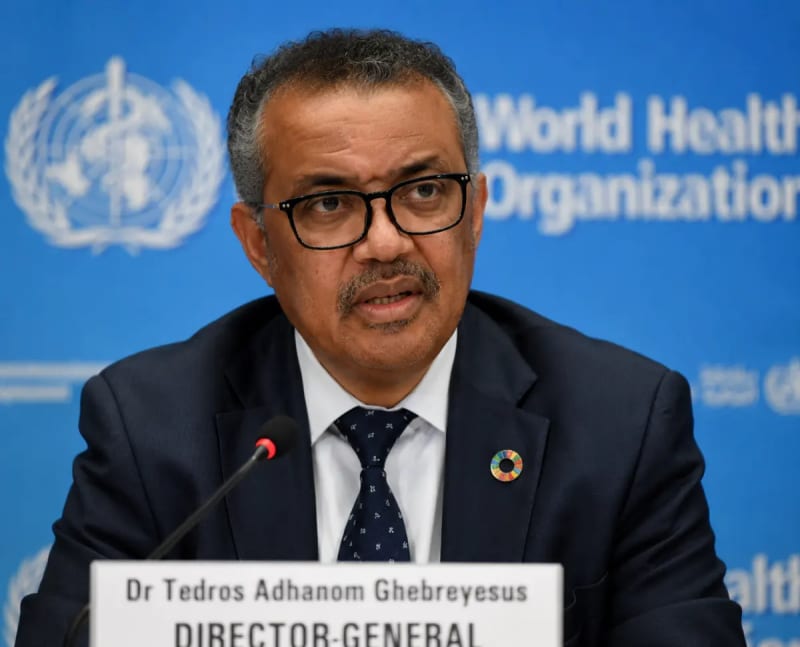
The WHO has called for urgent action to protect healthcare in conflict zones, emphasizing the need for accountability and adherence to international law. The organization works with governments, humanitarian partners, and local communities to document attacks, advocate for safer working conditions, and restore services where possible. In Nigeria, the WHO has supported the training of health workers in security protocols and the establishment of early warning systems to mitigate risks.
However, challenges remain. Many attacks go unreported due to fear of retaliation or lack of monitoring capacity. In some regions, health workers operate in near total isolation, with little support from international agencies or local authorities. The WHO has urged all parties to conflicts to respect medical neutrality and ensure the safety of health facilities and personnel.
Civil society organizations have also played a critical role in raising awareness. Groups like the Safeguarding Health in Conflict Coalition track incidents globally and advocate for policy changes to protect healthcare workers. Their work has highlighted the need for stronger legal frameworks and enforcement mechanisms to deter future attacks.
What's Next
The trajectory of healthcare attacks shows no signs of slowing. As conflicts persist in regions like Sudan, Ukraine, and the Middle East, the risk to medical facilities and workers remains high. The WHO has warned that without concerted global action, the trend could worsen, further destabilizing health systems and deepening humanitarian crises.
Efforts to address the issue will require a multi faceted approach. Strengthening international legal protections, improving monitoring and reporting mechanisms, and increasing support for health workers in conflict zones are critical steps. Additionally, greater investment in resilient health systems, capable of withstanding shocks, will be essential to mitigate the long term impact of these attacks.
For affected countries like Nigeria, the path forward involves not only securing healthcare facilities but also rebuilding trust in health systems. Communities must feel safe accessing care, and health workers must be empowered to deliver services without fear. The global community's response in the coming years will determine whether healthcare can remain a neutral, protected space in even the most volatile environments.
Key Takeaways
- Over 10,400 attacks on healthcare facilities have been recorded globally since 2018, resulting in nearly 5,700 deaths and 8,000 injuries.
- Nigeria is among the hardest hit nations, with persistent attacks disrupting healthcare delivery in conflict affected regions.
- These attacks violate international humanitarian law, deepen public health crises, and disproportionately affect vulnerable groups like women and children.
Frequently Asked Questions
Why are healthcare facilities targeted in conflicts?
Healthcare facilities are often targeted to destabilize communities, punish perceived opposition, or disrupt access to medical care for specific groups. In some cases, they are caught in crossfire or deliberately attacked to undermine trust in health systems.
How do attacks on healthcare affect public health?
Such attacks disrupt medical supply chains, halt vaccination campaigns, and interrupt routine care for chronic conditions. They also lead to the closure of clinics, brain drain among health workers, and increased mortality from preventable diseases.
What is being done to protect healthcare workers?
The WHO and partners document attacks, advocate for safer working conditions, and train health workers in security protocols. Civil society groups also track incidents and push for stronger legal protections, though enforcement remains a challenge.
Published by O. Ayodeji | Review by MedSense Editorial Board










DISCUSSION (0)
POST A COMMENT