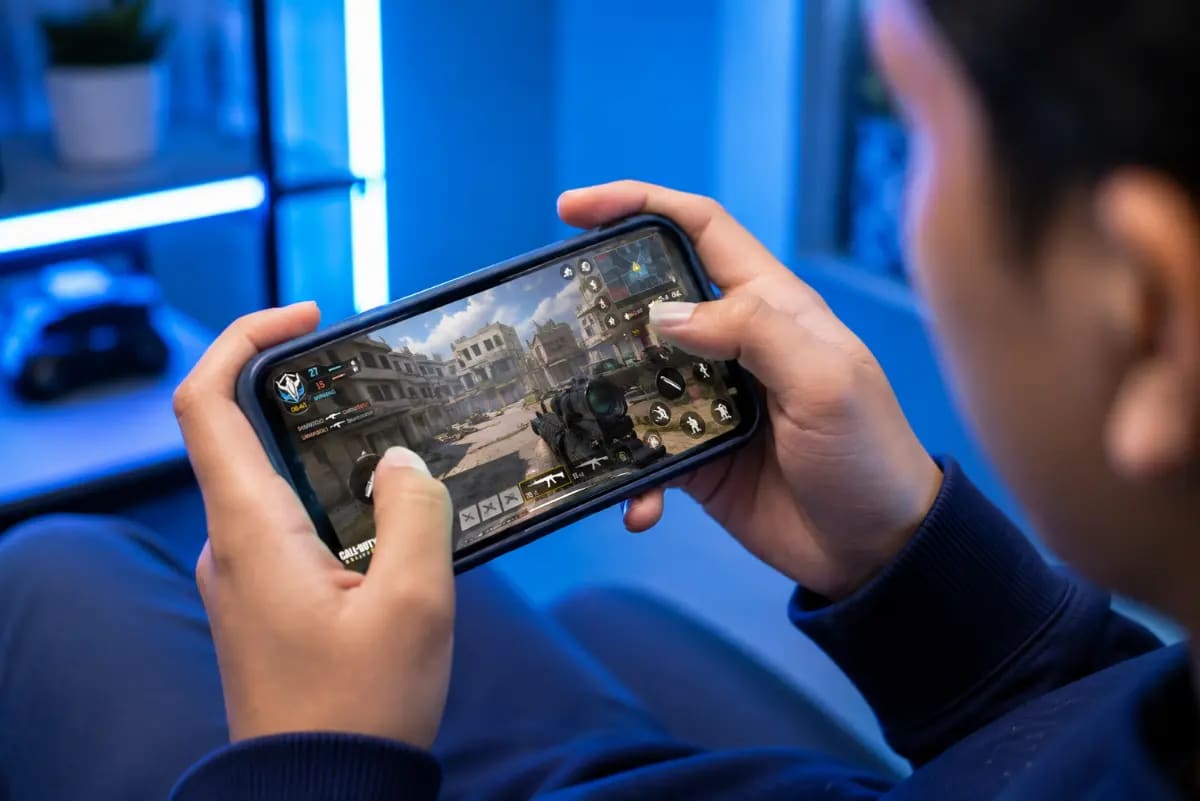
Researchers at Northeastern University have developed a bespoke video game designed to personalize cognitive care for vulnerable groups, including older adults and individuals with early stage dementia. A pilot study involving 50 participants across the U.S. demonstrated that the game could adapt to individual cognitive needs, offering a scalable and engaging approach to cognitive training. The findings suggest potential for broader applications in mental health and aging populations.
Pilot Study Demonstrates Personalized Cognitive Training
A pilot study conducted by researchers at Northeastern University has shown that a custom designed video game can personalize cognitive care for vulnerable populations, including older adults and individuals with early stage dementia. The study involved 50 participants from across the United States who logged into the game remotely, allowing researchers to assess its feasibility and effectiveness as a tool for cognitive training.
The game, developed by a team led by Dr. Marily Oppezzo, an associate professor of behavioral neuroscience, was designed to adapt in real time to each player's cognitive performance. Unlike traditional cognitive training programs that follow a one size fits all approach, the game dynamically adjusted its difficulty and content based on the player's responses, providing a tailored experience that targeted specific cognitive domains such as memory, attention, and problem solving.
How the Game Works
The video game operates on a cloud based platform, enabling participants to access it from their homes without requiring specialized hardware. The game's mechanics are rooted in principles of cognitive training, where players engage in tasks that simulate real world challenges, such as navigating a virtual city or solving puzzles under time constraints. As players progress, the game's algorithms analyze their performance and adjust the complexity of tasks to match their abilities, ensuring continuous engagement and cognitive stimulation.
Dr. Oppezzo noted that the game's design was influenced by research in neuroplasticity, the brain's ability to reorganize itself by forming new neural connections. By providing cognitively demanding yet achievable challenges, the game aims to promote neuroplastic changes that could slow cognitive decline in vulnerable groups.
Key Findings from the Study
The study, published in the journal Games for Health, reported that participants showed measurable improvements in cognitive function after just four weeks of gameplay. The most significant gains were observed in tasks related to working memory and processing speed, areas often affected in aging populations and early stage dementia. Researchers also noted high levels of engagement and adherence among participants, with an average completion rate of 85% for the prescribed sessions.
While the study was small and lacked a control group, the results suggest that video games could offer a scalable and cost effective alternative to traditional cognitive training programs. The researchers emphasized that the game's adaptability was a critical factor in its success, as it allowed for personalized interventions that could be tailored to individual needs.
Potential for Broader Applications
The findings open new avenues for the use of video games in cognitive care, particularly for populations that may have limited access to in person cognitive training programs. The researchers highlighted the potential for the game to be integrated into telehealth platforms, making it accessible to individuals in rural or underserved communities. Additionally, the game could be adapted for use in mental health settings, such as for individuals recovering from stroke or traumatic brain injury.
Dr. Oppezzo also pointed out that the game's design could be expanded to include multiplayer features, allowing users to engage in collaborative cognitive challenges. This could enhance social interaction, a key factor in maintaining cognitive health, particularly for older adults who may experience isolation.
Challenges and Future Directions
Despite the promising results, the researchers acknowledged several challenges that need to be addressed before the game can be widely adopted. One of the primary concerns is the need for larger, randomized controlled trials to validate the game's effectiveness across diverse populations. Additionally, questions remain about the long term sustainability of cognitive gains and whether the benefits translate to real world activities.
The team is now planning a follow up study with a larger cohort to further investigate the game's impact on cognitive decline and its potential to delay the onset of dementia. They are also exploring partnerships with healthcare providers to integrate the game into existing cognitive care programs.
Expert Perspective on the Findings
Dr. Sarah Lenz Lock, executive director of the Global Council on Brain Health, commented on the study's implications, stating, "This research highlights the potential of digital tools to revolutionize cognitive care, particularly for older adults. The ability to personalize interventions is a game changer, as it allows us to meet individuals where they are in terms of their cognitive abilities."
She added that while the findings are encouraging, more research is needed to determine the optimal frequency and duration of gameplay required to achieve sustained cognitive benefits.
What's Next for the Project
The Northeastern University team is working to refine the game's algorithms to improve its adaptability and incorporate feedback from participants. They are also exploring the use of artificial intelligence to enhance the game's ability to predict cognitive decline and tailor interventions accordingly. The researchers hope to make the game available to the public within the next two years, pending further validation and regulatory approvals.
Key Takeaways
- A bespoke video game developed by Northeastern University researchers adapts in real time to individual cognitive needs, offering personalized training for vulnerable groups.
- A pilot study with 50 participants showed measurable improvements in working memory and processing speed after four weeks of gameplay.
- The game's cloud based design and adaptability make it a scalable tool for cognitive care, with potential applications in telehealth and mental health settings.
Frequently Asked Questions
How does the video game adapt to individual cognitive needs?
The game uses algorithms to analyze player performance in real time and adjusts the difficulty and content of tasks to match the player's cognitive abilities.
What cognitive functions does the game target?
The game focuses on domains such as memory, attention, and problem solving, with measurable improvements observed in working memory and processing speed.
Is the game accessible to people without specialized hardware?
Yes, the game operates on a cloud based platform, allowing participants to access it from their homes using standard computers or tablets.
Published by Damilare | Review by MedSense Editorial Board




















DISCUSSION (0)
POST A COMMENT