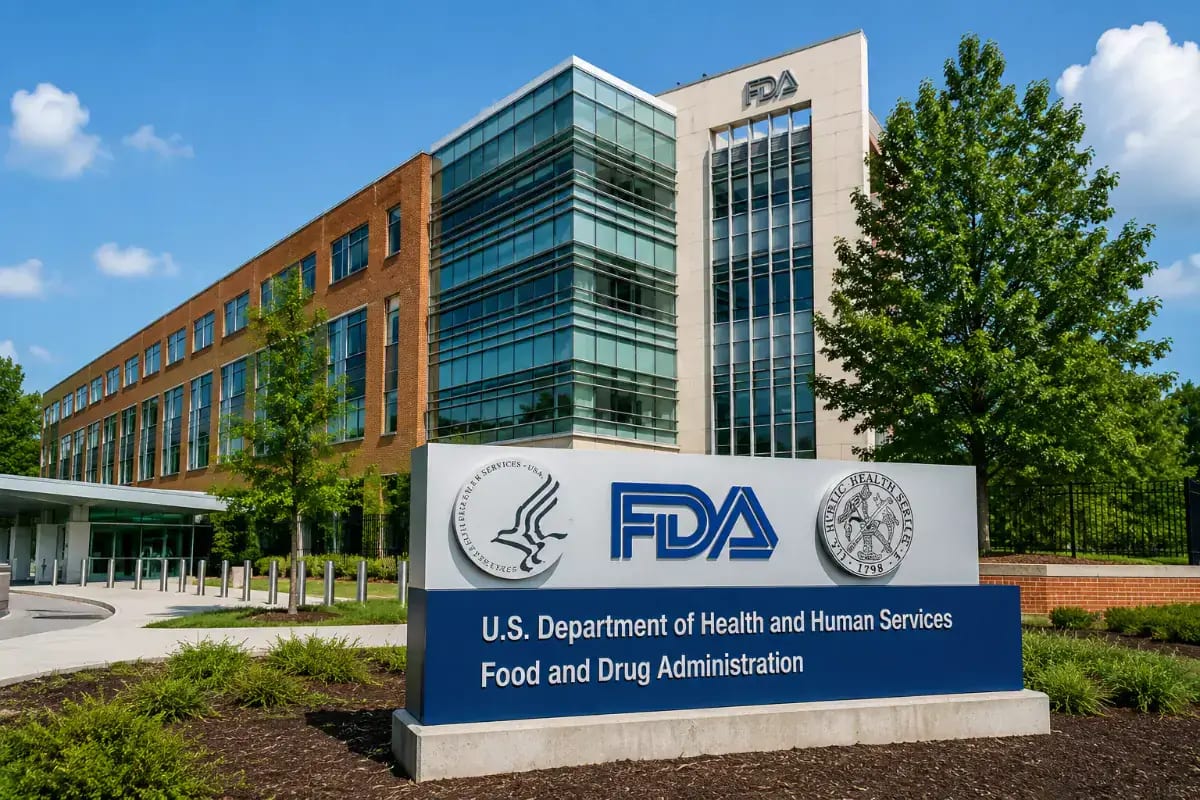
The US Food and Drug Administration has approved Bristol Myers Squibb's new oral drug for advanced multiple myeloma, marking the first approval in a novel class of medicines targeting the blood cancer. The therapy, known as mezigdomide, offers a new treatment option for patients who have exhausted other therapies. This milestone reflects ongoing progress in developing more effective and convenient treatments for multiple myeloma, a disease that remains challenging to manage in its advanced stages.
Latest Developments
The US Food and Drug Administration has approved mezigdomide, an oral treatment developed by Bristol Myers Squibb, for patients with advanced multiple myeloma. This approval introduces the first drug in a new class of cereblon E3 ligase modulators, designed to target the disease through a novel mechanism.
Mezigdomide is indicated for patients who have received at least four prior lines of therapy, including a proteasome inhibitor, an immunomodulatory agent, and an anti CD38 monoclonal antibody. The drug's approval is based on data from the Phase 1/2 CC 92480 MM 001 trial, which demonstrated promising efficacy in heavily pretreated patients.
This milestone follows years of research into cereblon modulation, a pathway that has gained attention for its role in degrading specific proteins involved in cancer cell survival. Unlike traditional therapies, mezigdomide works by hijacking the body's natural protein disposal system to eliminate proteins that drive myeloma progression.
Why This Matters
Multiple myeloma is a complex and often relapsing blood cancer that affects plasma cells in the bone marrow. While advances in treatment have improved survival rates, patients with advanced disease frequently face limited options after standard therapies fail. The approval of mezigdomide addresses a critical unmet need, offering a new oral option that may extend survival and improve quality of life.
The introduction of this new drug class also signals progress in precision medicine for myeloma. By targeting cereblon, mezigdomide provides an alternative mechanism for patients who have developed resistance to existing treatments. This approval could pave the way for further research into cereblon modulators and their potential applications in other cancers.
Bristol Myers Squibb has positioned mezigdomide as a potential backbone therapy for future combination treatments. The company is already exploring its use alongside other myeloma drugs in ongoing clinical trials, which could expand its role in earlier lines of therapy.
Clinical Significance
The Phase 1/2 trial supporting mezigdomide's approval enrolled 101 patients with relapsed or refractory multiple myeloma. Results showed an overall response rate of 40% in patients who had received a median of six prior lines of therapy. The median duration of response was 7.6 months, with some patients experiencing sustained benefits beyond a year.
Common side effects included neutropenia, anemia, and thrombocytopenia, which are manageable with dose adjustments and supportive care. The oral formulation of mezigdomide also offers convenience for patients, reducing the burden of frequent clinic visits required for intravenous therapies.
Experts have noted that while the drug's efficacy is encouraging, its true impact will depend on real world use and long term follow up. The myeloma community has welcomed the approval as a step forward, particularly for patients with few remaining options. Dr. Sagar Lonial, Chief Medical Officer at Winship Cancer Institute, emphasized that "this approval represents a meaningful advance for patients who have exhausted standard therapies and need new approaches to control their disease."
What's Next
Bristol Myers Squibb plans to make mezigdomide available to eligible patients in the coming weeks. The company is also advancing its clinical development program, with multiple Phase 3 trials underway to evaluate the drug in combination with other myeloma therapies. These studies aim to determine whether mezigdomide can be used earlier in the treatment journey, potentially improving outcomes for a broader range of patients.
Regulatory submissions for mezigdomide are also being prepared for other regions, including the European Union and Japan. If approved internationally, the drug could become a global standard for advanced multiple myeloma care.
Researchers are also investigating the potential of cereblon modulators in other hematologic malignancies and solid tumors. Early stage trials are exploring whether this class of drugs could offer benefits in diseases like lymphoma and leukemia, where protein degradation pathways play a key role.
Key Takeaways
- The FDA approved mezigdomide, the first oral drug in a new class of cereblon E3 ligase modulators for advanced multiple myeloma.
- The drug is indicated for patients who have received at least four prior lines of therapy and offers a new mechanism of action for treatment resistant disease.
- Ongoing trials are exploring mezigdomide's potential in combination therapies and earlier lines of treatment, with global regulatory submissions underway.
Frequently Asked Questions
What is multiple myeloma?
Multiple myeloma is a blood cancer that affects plasma cells in the bone marrow, leading to the overproduction of abnormal proteins and crowding out healthy blood cells.
How does mezigdomide work?
Mezigdomide works by modulating the cereblon pathway, which helps degrade specific proteins that drive myeloma cell survival, offering a novel mechanism compared to existing therapies.
Who is eligible for mezigdomide treatment?
The drug is approved for patients with advanced multiple myeloma who have received at least four prior lines of therapy, including a proteasome inhibitor, an immunomodulatory agent, and an anti CD38 monoclonal antibody.
Published by O. Ayodeji | Review by MedSense Editorial Board







DISCUSSION (0)
POST A COMMENT