
Zanzibar has reached a critical public health milestone, achieving 92 percent immunization coverage across its population. The achievement, announced by health officials this week, positions the semi autonomous region of Tanzania as a leader in vaccine equity within East Africa. While the progress is celebrated, authorities emphasize that the final stretch toward universal coverage will require targeted community engagement and sustained public education efforts. The development comes at a time when global immunization rates face pressure from misinformation, supply chain disruptions, and pandemic related setbacks in many low and middle income countries.
What Happened
Zanzibar’s Ministry of Health confirmed that 92 percent of the population has now received essential vaccines, including those for measles, polio, diphtheria, and tuberculosis. The announcement was made by Dr Slim Salim Slim, Director of Preventive Services and Health Education, during a training session for journalists focused on vaccination awareness. While the region has not yet reached the 100 percent target, the current coverage rate represents a significant improvement from previous years and aligns with global immunization benchmarks.
Why Public Health Officials Are Concerned
The remaining 8 percent gap, though small, poses a risk for outbreaks of vaccine preventable diseases. In densely populated areas or communities with limited healthcare access, even minor coverage shortfalls can create pockets of vulnerability. Health officials warn that complacency at this stage could reverse hard won gains, particularly as global vaccine hesitancy and logistical challenges persist. The focus now shifts to identifying and addressing barriers, whether geographic, cultural, or informational, that prevent full participation in immunization programs.
Who May Be Affected
The progress benefits all residents, but children under five and pregnant women remain the most critical groups for vaccination efforts. Unvaccinated individuals, particularly in remote or underserved communities, face higher risks of contracting and spreading infectious diseases. Additionally, travelers to and from Zanzibar may unknowingly contribute to transmission if immunization gaps persist, underscoring the importance of regional and global health security.
Government Response
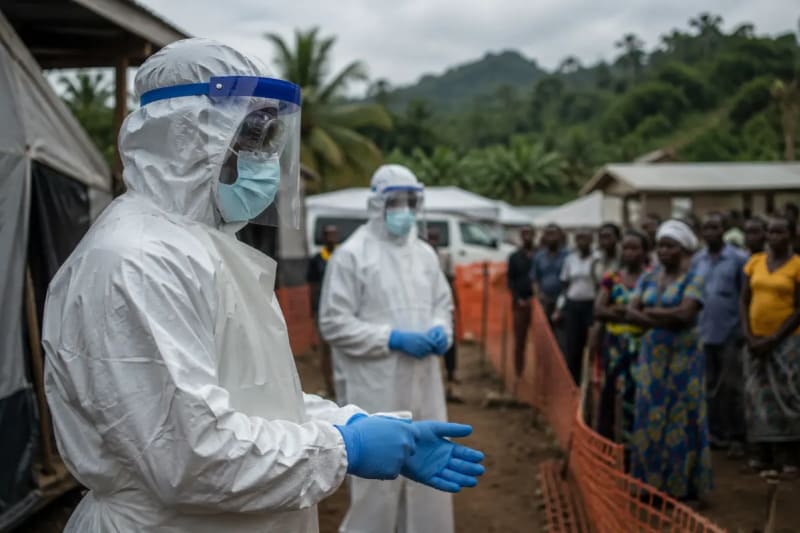
Zanzibar’s health ministry is intensifying public education campaigns to close the remaining coverage gap. Dr Slim emphasized the role of journalists and community leaders in countering misinformation and fostering trust in vaccines. The government is also expanding outreach programs in rural areas, where access to healthcare facilities may be limited. These efforts align with Tanzania’s national immunization strategy and the World Health Organization’s Immunization Agenda 2030, which aims for equitable vaccine access worldwide.
Prevention and Safety Guidance
For parents and caregivers, health officials recommend verifying immunization records and ensuring children receive all scheduled vaccines. Adults, particularly those with chronic conditions or weakened immune systems, should also stay up to date with recommended boosters. Travelers to Zanzibar are advised to review their vaccination status before arrival, as some diseases, like yellow fever, may require proof of immunization for entry.
What Readers Should Know
Zanzibar’s achievement demonstrates that high immunization coverage is achievable even in resource limited settings. However, sustaining progress requires continuous investment in healthcare infrastructure, community engagement, and accurate public messaging. The region’s success serves as a model for neighboring countries but also highlights the need for vigilance in maintaining high vaccination rates to prevent backsliding.
Key Takeaways
- Zanzibar has reached 92 percent immunization coverage, a major step toward universal protection against vaccine preventable diseases.
- The remaining 8 percent gap poses risks for outbreaks, particularly in underserved communities.
- Health officials are prioritizing public education and outreach to achieve full coverage and sustain progress.
- Travelers and residents should verify their vaccination status to support regional health security.
Frequently Asked Questions
What vaccines are included in Zanzibar’s immunization program?
Zanzibar’s immunization program covers essential vaccines such as measles, polio, diphtheria, tetanus, pertussis, tuberculosis, and hepatitis B. Some vaccines, like yellow fever, may be required for travelers or specific populations.
Why is 92 percent coverage significant?
A 92 percent immunization rate is close to the threshold needed for herd immunity, which protects even those who cannot be vaccinated. However, maintaining this level is critical to prevent outbreaks in vulnerable groups.
What challenges remain in reaching 100 percent coverage?
Barriers include misinformation, limited access to healthcare in rural areas, and logistical challenges in vaccine distribution. Addressing these requires targeted community engagement and sustained public health efforts.
How can travelers help support Zanzibar’s immunization goals?
Travelers should ensure they are up to date with routine vaccines and check if additional immunizations, such as yellow fever, are required for entry. Supporting local health initiatives and sharing accurate information can also contribute to broader public health efforts.
Medical Review: MedSense Editorial Board













DISCUSSION (0)
POST A COMMENT