
Lagos State has reached a significant milestone in its push to make healthcare more accessible and affordable for its residents. The Lagos State Health Management Agency announced this week that over 1.5 million people have now enrolled in Ilera Eko, the state’s health insurance scheme. With more than half of these enrollees coming from the informal sector, the program is making strides in addressing a longstanding gap in Nigeria’s healthcare financing system. The initiative aims to curb the financial burden of out of pocket medical expenses, which remains a major barrier to care for millions of Nigerians, particularly those in low income and informal employment.
What Happened
As of May 31, 2026, the Lagos State Health Management Agency confirmed that 1,502,994 residents have enrolled in the Ilera Eko health insurance scheme. The program, launched to provide affordable and equitable healthcare access, has seen 54 percent of its enrollees come from the informal sector. This segment of the population, which includes market traders, artisans, and small business owners, has historically been underserved by traditional health insurance models due to irregular income streams and lack of employer based coverage.
Why Public Health Officials Are Concerned
Nigeria’s healthcare system continues to grapple with high out of pocket spending, which accounts for approximately 70 percent of total health expenditures in the country. This financial barrier disproportionately affects low income households and informal workers, often forcing families to delay or forgo necessary medical care. Public health experts warn that without structured financing mechanisms like health insurance, progress toward universal health coverage will remain stalled. Lagos State’s enrollment figures signal a potential shift, but challenges such as awareness, trust, and sustainability of the scheme persist.
Who May Be Affected
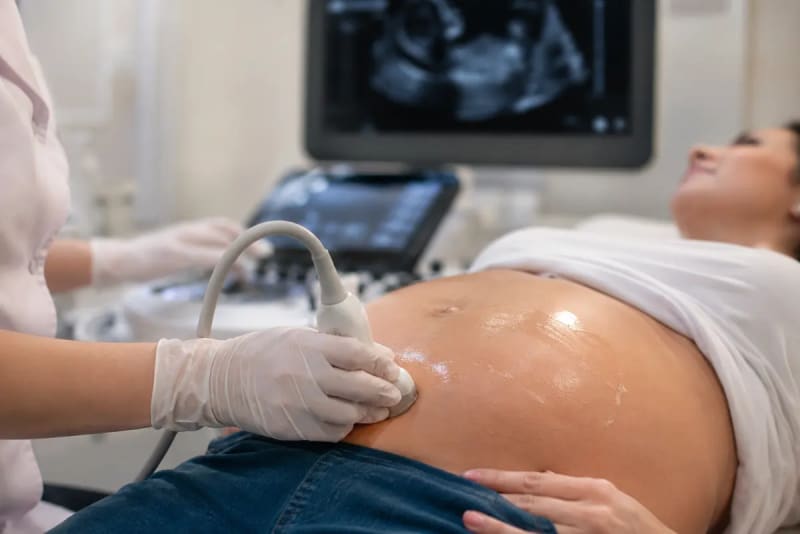
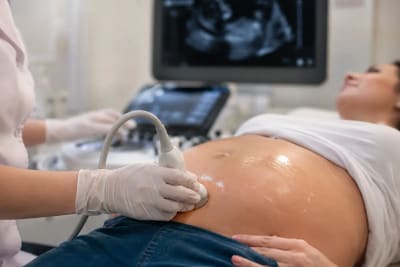
The Ilera Eko scheme is designed to benefit all Lagos residents, but its focus on the informal sector addresses a critical need. Informal workers, who make up a significant portion of the state’s workforce, typically lack access to employer sponsored health plans and are more vulnerable to catastrophic health expenditures. The scheme also extends coverage to vulnerable groups, including the elderly, pregnant women, and children under five, ensuring that those most in need are not left behind.
Government Response and Program Expansion
The Lagos State government has intensified efforts to boost enrollment through community outreach, partnerships with local leaders, and digital registration platforms. The state has also integrated Ilera Eko with primary healthcare centers to improve service delivery and reduce wait times. Officials have indicated plans to expand the scheme’s benefits package, which currently covers essential services such as consultations, diagnostics, maternal care, and emergency treatments. However, questions remain about the long term funding and scalability of the program, particularly as demand grows.
Prevention and Safety Guidance
For residents considering enrollment, the Lagos State Health Management Agency advises the following:
- Verify eligibility through the official Ilera Eko website or designated enrollment centers.
- Ensure all personal and biometric details are accurately provided during registration to avoid delays in activation.
- Familiarize yourself with the benefits package to understand what services are covered and any applicable co payments.
- Report any issues with service delivery or claims processing to the agency’s helpline or customer service centers.
What Readers Should Know
Ilera Eko represents a critical step toward reducing financial barriers to healthcare in Lagos, but its success hinges on continued public trust and government commitment. While the enrollment figures are encouraging, the real test will be the scheme’s ability to deliver consistent, high quality care to its beneficiaries. Residents are encouraged to engage with the program, provide feedback, and hold authorities accountable to ensure it meets its promise of accessible and affordable healthcare for all.
Key Takeaways
- Lagos State’s Ilera Eko health insurance scheme has enrolled over 1.5 million residents, with 54 percent from the informal sector.
- The program aims to reduce out of pocket healthcare spending, which remains a major barrier to care in Nigeria.
- Informal workers, who lack employer sponsored coverage, are a key focus of the scheme’s expansion efforts.
- The state government is using community outreach and digital platforms to boost enrollment and improve service delivery.
- Long term success depends on sustained funding, public trust, and the scheme’s ability to deliver consistent, quality care.
Frequently Asked Questions
What is Ilera Eko?
Ilera Eko is Lagos State’s health insurance scheme designed to provide affordable and accessible healthcare to residents, with a focus on the informal sector and vulnerable populations.
Who is eligible for Ilera Eko?
All Lagos residents are eligible, but the scheme prioritizes informal workers, low income households, pregnant women, children under five, and the elderly.
What services are covered under Ilera Eko?
The scheme covers essential healthcare services, including consultations, diagnostics, maternal care, emergency treatments, and some surgical procedures. The benefits package may expand over time.
How can I enroll in Ilera Eko?
Residents can enroll through the official Ilera Eko website, designated enrollment centers across Lagos, or via community outreach programs organized by the Lagos State Health Management Agency.
Are there any costs associated with enrollment?
The scheme is designed to be affordable, but specific premiums or co payments may apply depending on the enrollee’s income level and chosen plan. Details are available through official channels.
Medical Review: MedSense Editorial Board











DISCUSSION (0)
POST A COMMENT