
What Happened
The current Ebola outbreak in Central Africa is displaying a notable deviation from past patterns. Unlike earlier epidemics, where the virus typically caused severe, rapidly progressing symptoms, many patients are now presenting with milder clinical manifestations. Reports from the field indicate that fever, fatigue, and muscle pain, symptoms easily mistaken for malaria or other common illnesses, are dominating the early stages of infection. While this may reduce mortality rates, it complicates efforts to identify and isolate cases before transmission occurs.
Why Public Health Officials Are Concerned
Ebola’s historical lethality has been both a curse and a blessing for containment. The virus’s tendency to cause dramatic, unmistakable symptoms, such as uncontrolled bleeding, vomiting, and multi organ failure, often triggered rapid medical intervention and public alarm. In contrast, milder symptoms increase the risk of misdiagnosis, particularly in regions where healthcare infrastructure is already strained. Officials warn that delayed detection could allow the virus to circulate silently, undermining contact tracing and quarantine measures that have been critical in past outbreaks.
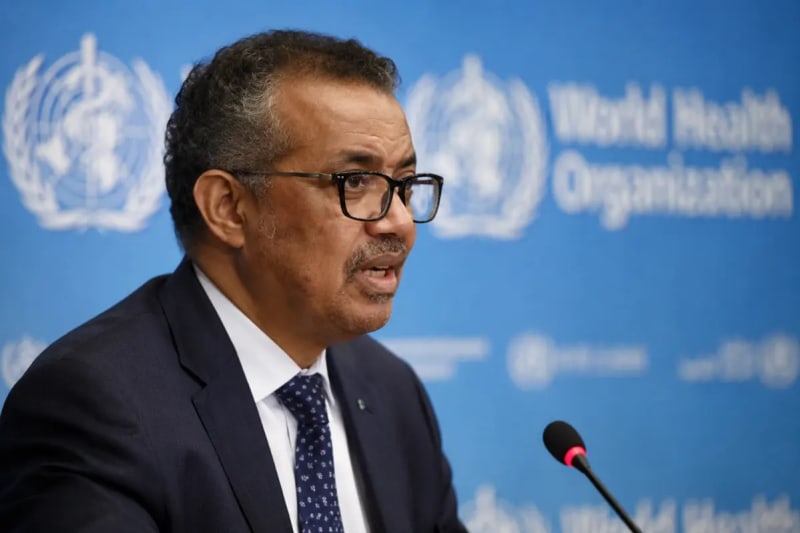
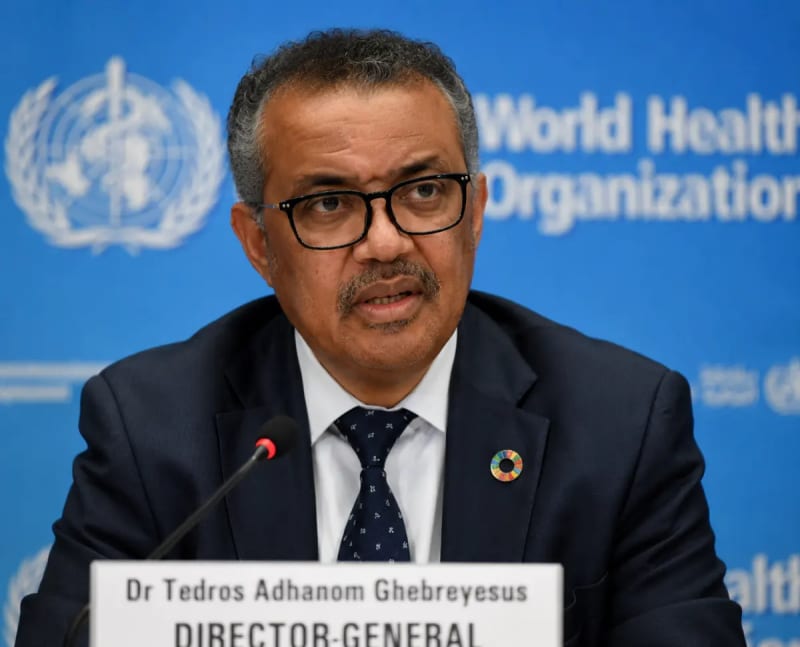
Compounding the issue is the potential for complacency. Communities may underestimate the threat if cases appear less severe, reducing adherence to preventive measures like hand hygiene, safe burials, and travel restrictions. The World Health Organization (WHO) has emphasized that even mild Ebola remains highly contagious, with transmission possible through bodily fluids, contaminated surfaces, and close contact.
Symptoms or Risk Factors
In this outbreak, the most commonly reported symptoms include:
- Persistent fever, often low grade
- Generalized fatigue and weakness
- Muscle and joint pain
- Headaches
- Sore throat
- Occasional gastrointestinal symptoms, such as nausea or diarrhea
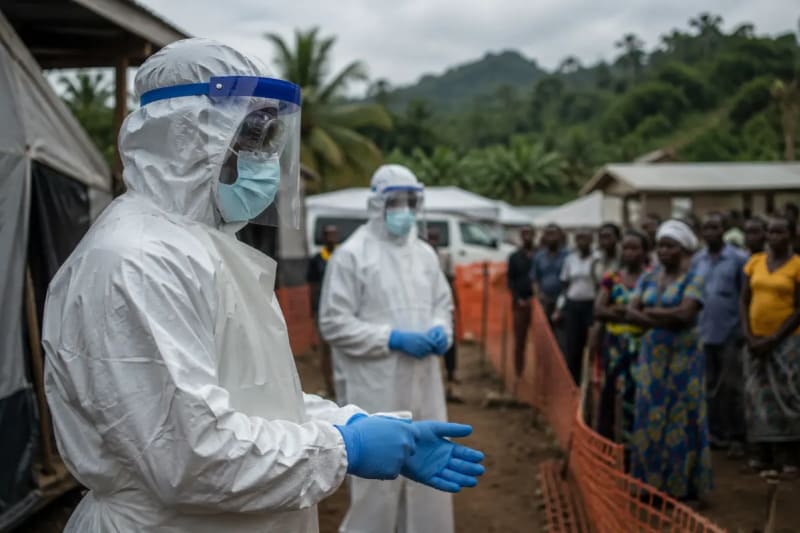
Severe symptoms, such as internal or external bleeding, remain rare but can develop in later stages, particularly in individuals with underlying health conditions. High risk groups include healthcare workers, family members caring for infected individuals, and those participating in traditional burial practices that involve direct contact with the deceased.
Who May Be Affected
The outbreak is concentrated in rural and semi urban areas of Central Africa, where healthcare access is limited. Populations at greatest risk include:
- Frontline healthcare workers, who may misdiagnose mild cases as less serious illnesses
- Household contacts of infected individuals, particularly those providing care without protective equipment
- Communities with low awareness of Ebola’s evolving symptom profile
- Travelers moving between affected and unaffected regions, potentially spreading the virus across borders
Government or WHO Response
Health authorities are adapting their strategies to address the challenges posed by milder symptoms. Key measures include:
- Enhanced surveillance: Expanding testing capacity in high risk areas, including the use of rapid diagnostic tools to distinguish Ebola from other febrile illnesses like malaria or typhoid.
- Community engagement: Launching public awareness campaigns to educate populations about the full spectrum of Ebola symptoms, emphasizing that mild cases can still transmit the virus.
- Healthcare worker training: Reinforcing infection prevention and control protocols in clinics and hospitals, with a focus on early recognition of atypical presentations.
- Cross border coordination: Strengthening collaboration with neighboring countries to monitor and respond to potential spread, particularly in regions with porous borders.
The WHO has also reiterated its support for vaccination campaigns, prioritizing high risk groups such as healthcare workers and contacts of confirmed cases. While vaccines have proven effective in past outbreaks, their deployment remains logistically challenging in remote areas.
Prevention and Safety Guidance
Public health experts urge the following precautions to reduce transmission risks:
- Avoid close contact: Refrain from touching individuals exhibiting fever, fatigue, or other flu like symptoms, even if they appear mild.
- Practice hand hygiene: Wash hands frequently with soap and water or use alcohol based hand sanitizers, particularly after visiting healthcare facilities or handling potentially contaminated objects.
- Safe burial practices: Follow WHO guidelines for safe and dignified burials, avoiding direct contact with the deceased.
- Seek medical attention: Individuals experiencing symptoms consistent with Ebola, even if mild, should isolate immediately and contact health authorities for testing and care.
- Stay informed: Follow updates from trusted sources, such as the WHO or local health ministries, to stay aware of outbreak developments and preventive measures.
What Readers Should Know
This outbreak serves as a reminder that viruses can evolve in ways that challenge public health responses. While milder symptoms may reduce individual suffering, they do not diminish the virus’s ability to spread. Vigilance, early detection, and community cooperation remain critical to containing Ebola and preventing larger scale epidemics. For those in or traveling to affected regions, staying informed and adhering to preventive measures can make a decisive difference in curbing transmission.
Key Takeaways
- The current Ebola outbreak features milder symptoms than previous epidemics, which may reduce mortality but complicate detection and containment efforts.
- Public health officials are concerned that mild cases could lead to delayed diagnosis, silent transmission, and reduced community adherence to preventive measures.
- Enhanced surveillance, community education, and healthcare worker training are key strategies to address the challenges posed by this outbreak.
- Even mild Ebola cases remain highly contagious, requiring strict adherence to infection control practices, including hand hygiene and safe burial protocols.
Frequently Asked Questions
Why are milder Ebola symptoms a problem for public health?
Milder symptoms can be easily mistaken for other common illnesses like malaria or the flu, leading to delayed diagnosis and treatment. This increases the risk of undetected transmission, as infected individuals may continue to interact with others before being identified and isolated.
How is this outbreak different from previous Ebola epidemics?
In past outbreaks, Ebola was often characterized by severe symptoms such as hemorrhaging, organ failure, and high fatality rates. The current outbreak features more cases with milder, non specific symptoms, which can make the virus harder to recognize and contain early.
What should I do if I suspect I have been exposed to Ebola?
If you believe you have been exposed to Ebola, isolate yourself immediately to prevent potential transmission to others. Contact local health authorities or a healthcare provider for guidance on testing and next steps. Avoid close contact with family members or others until you receive medical advice.
Are vaccines still effective against this strain of Ebola?
Yes, existing Ebola vaccines have shown effectiveness in past outbreaks and are being deployed in the current response. Vaccination efforts are prioritizing high risk groups, such as healthcare workers and contacts of confirmed cases, to prevent further spread.
How can communities help prevent the spread of Ebola?
Communities can play a critical role by following preventive measures such as practicing good hand hygiene, avoiding close contact with symptomatic individuals, adhering to safe burial practices, and staying informed through trusted health sources. Early reporting of symptoms and cooperation with health authorities are also vital.
Medical Review: MedSense Editorial Board










DISCUSSION (0)
POST A COMMENT