
What Happened
Benue State health officials confirmed the death of Dr Azever following a confirmed case of Lassa fever. The physician, who worked in a rural public health facility, developed symptoms consistent with the disease and was transferred to Jos University Teaching Hospital for advanced care. Despite medical intervention, he died from complications of the infection. His passing marks the latest in a series of Lassa fever fatalities recorded in Nigeria this year, with healthcare workers facing elevated risk due to occupational exposure.
Why Public Health Officials Are Concerned
Lassa fever is endemic in Nigeria, with seasonal spikes typically occurring between December and June. The virus, transmitted primarily through contact with infected multimammate rats or their excreta, can also spread from person to person via bodily fluids. Healthcare settings are particularly vulnerable to secondary transmission, especially when infection control measures are not strictly followed. The death of a trained medical professional raises alarms about gaps in protective protocols and the need for heightened vigilance among frontline staff.
Symptoms or Risk Factors
Early symptoms of Lassa fever often mimic common febrile illnesses, including fever, headache, sore throat, and general weakness. As the disease progresses, patients may develop facial swelling, bleeding from mucosal surfaces, and multi organ dysfunction. Severe cases can lead to shock, seizures, and death, with a case fatality rate of approximately 15% among hospitalized patients. Risk factors include living in or traveling to endemic areas, exposure to rodents, and working in healthcare without adequate protective equipment.
Who May Be Affected
The outbreak disproportionately impacts rural communities where rodent infestations are common, as well as healthcare workers treating undiagnosed cases. Pregnant women and individuals with underlying health conditions face higher risks of severe outcomes. Benue State, with its agricultural landscape and close human rodent interaction, remains a hotspot for Lassa fever transmission.
Government or WHO Response
Following the confirmation of Dr Azever’s case, the Benue State Ministry of Health has intensified contact tracing, isolation protocols, and public awareness campaigns. The Nigeria Centre for Disease Control and Prevention (NCDC) has been notified and is supporting state level response efforts, including the distribution of personal protective equipment and diagnostic reagents. The World Health Organization (WHO) continues to monitor the situation, providing technical guidance and coordinating with national health authorities to prevent further spread.
Prevention and Safety Guidance
Preventing Lassa fever hinges on reducing rodent exposure and improving infection control in healthcare settings. Key measures include:
- Storing food in rodent proof containers and disposing of waste properly to deter rats.
- Avoiding contact with rodents and their droppings, especially in homes and healthcare facilities.
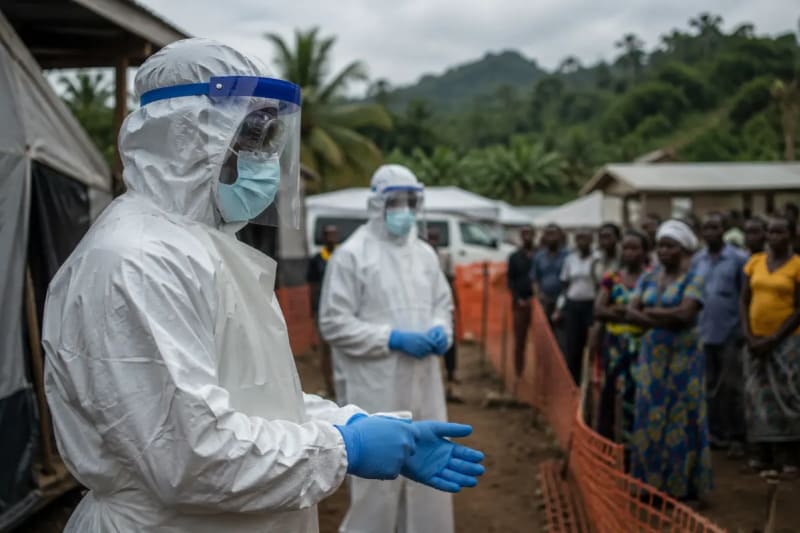
- Using personal protective equipment, such as gloves and masks, when caring for suspected or confirmed cases.
- Isolating patients with suspected Lassa fever and implementing strict barrier nursing techniques.
- Raising community awareness about early symptom recognition and the importance of seeking prompt medical care.
What Readers Should Know
Lassa fever remains a significant public health challenge in Nigeria, with healthcare workers on the front lines of both treatment and risk. The death of Dr Azever serves as a stark reminder of the disease’s lethality and the critical need for robust infection prevention measures. While no vaccine is currently available, early diagnosis and supportive care can improve survival rates. Residents in endemic areas should remain vigilant, report unusual symptoms, and adhere to public health advisories to curb transmission.
Key Takeaways
- Lassa fever has claimed the life of a Benue based doctor, prompting emergency response measures in the state.
- Healthcare workers are at heightened risk due to occupational exposure, underscoring the need for strict infection control protocols.
- Early symptoms include fever, headache, and weakness, with severe cases leading to bleeding and organ failure.
- Prevention focuses on rodent control, safe food storage, and protective measures in healthcare settings.
- The Nigeria Centre for Disease Control and WHO are supporting state level efforts to contain the outbreak.
Frequently Asked Questions
What is Lassa fever and how is it transmitted?
Lassa fever is a viral haemorrhagic illness caused by the Lassa virus. It is primarily transmitted through contact with infected multimammate rats or their urine and faeces. Human to human transmission can occur via bodily fluids, particularly in healthcare settings.
What are the early signs of Lassa fever?
Early symptoms include fever, headache, sore throat, muscle pain, and general weakness. As the disease progresses, patients may experience facial swelling, bleeding, and multi organ dysfunction.
Is there a vaccine for Lassa fever?
Currently, there is no licensed vaccine for Lassa fever. Treatment focuses on early diagnosis, supportive care, and the antiviral drug ribavirin, which is most effective when administered early in the course of illness.
How can I protect myself from Lassa fever?
Preventive measures include storing food in rodent proof containers, avoiding contact with rodents, using protective equipment when caring for sick individuals, and maintaining good hygiene practices. In healthcare settings, strict infection control protocols are essential.
Why are healthcare workers at higher risk?
Healthcare workers are at increased risk due to potential exposure to infected bodily fluids when treating patients with undiagnosed Lassa fever. Proper use of personal protective equipment and adherence to infection control measures are critical to reducing this risk.
Medical Review: MedSense Editorial Board






















DISCUSSION (0)
POST A COMMENT