
Nigeria is accelerating efforts to expand access to safe blood, a critical lifeline for emergency care, surgeries, and maternal health. Health authorities and partners are addressing persistent shortages that delay treatments and increase risks for patients requiring urgent transfusions. The push aims to strengthen healthcare delivery and reduce preventable deaths nationwide.
What Happened
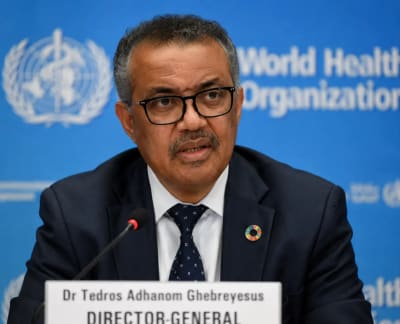
Nigeria’s Federal Ministry of Health, in collaboration with the World Health Organization and local partners, has launched a national initiative to bolster safe blood availability. The program targets low voluntary donation rates, inadequate storage infrastructure, and logistical gaps that have plagued blood banks for years. Recent data from the National Blood Service Commission reveals that only 30% of Nigeria’s blood supply comes from voluntary donors, far below the WHO’s recommended 100%.
Why It Matters
Safe blood is indispensable for managing emergencies like road accidents, surgical complications, and childbirth crises. In Nigeria, maternal mortality remains alarmingly high, with hemorrhage accounting for 23% of maternal deaths. Improved blood access could directly reduce these fatalities by ensuring timely transfusions. Additionally, the initiative aligns with broader health security goals, enhancing Nigeria’s resilience against disease outbreaks and mass casualty events.
Who Does It Affect
Patients in rural and urban hospitals face the brunt of blood shortages, particularly those undergoing emergency surgeries or battling conditions like sickle cell disease, which requires frequent transfusions. Healthcare workers also bear the strain, as delays in obtaining compatible blood can force them to make critical decisions under pressure. Voluntary donors, especially young adults, are a key demographic targeted to sustain the blood supply.
What Should I Do
Nigerians aged 18–60 and in good health are encouraged to donate blood regularly. The National Blood Service Commission has simplified the donation process, with mobile units deployed to communities and workplaces. Potential donors should ensure they meet eligibility criteria, such as maintaining a healthy weight and avoiding high-risk behaviors. Blood donation centers nationwide now offer rapid screening for infectious diseases to ensure safety.
What We Don't Know Yet
While the initiative marks progress, long-term sustainability remains uncertain. It is unclear whether public awareness campaigns will sufficiently boost voluntary donations to meet demand. Additionally, the impact of climate change on blood storage infrastructure, particularly in regions with unreliable power supply, has not been fully assessed. Further research is needed to evaluate the program’s effectiveness in reducing maternal and trauma-related deaths.
Key Takeaways
- Nigeria’s blood supply relies heavily on replacement donors, with only 30% from voluntary sources, far below WHO’s 100% target.
- Safe blood shortages disproportionately affect emergency care, maternal health, and patients with chronic conditions like sickle cell disease.
- Mobile blood donation units and simplified eligibility checks aim to increase voluntary donations and improve access nationwide.
Frequently Asked Questions
How often can I donate blood in Nigeria?
Healthy adults can donate blood every 3 months, with a maximum of 4 donations per year.
What conditions disqualify someone from donating blood?
Recent tattoos, high-risk sexual behavior, certain medications, and chronic illnesses like hepatitis may temporarily or permanently disqualify donors.
How is donated blood screened for safety?
All donated blood undergoes testing for HIV, hepatitis B and C, syphilis, and malaria before being released for transfusion.
Medical Review: MedSense Editorial Board













DISCUSSION (0)
POST A COMMENT